AT A GLANCE
- Portable generators can provide critical power during outages, but improper use remains a leading cause of carbon monoxide poisoning deaths.
- Read the article to learn where generators should be placed, why carbon monoxide alarms matter and what to look for when purchasing a generator.
For many, storm season raises questions every year: Do I board up the windows? Fill the bathtub in case taps go dry? And for millions of households: do I finally buy a portable generator?
It’s a fair question. When the power goes out for days, a portable generator can be the difference between a minor inconvenience and a real crisis. But there’s a catch most people don’t think about until it’s too late: portable generators can quickly turn deadly if not used safely and correctly.
The culprit is carbon monoxide — a poisonous gas you can’t see, taste, or smell, and it can be produced by any fuel-burning product. Among household products, portable generators are the leading cause of CO poisoning deaths, responsible for 41% of all non-fire CO fatalities linked to consumer products between 2012 and 2022, according to the U.S. Consumer Product Safety Commission.
When hurricane and storm season is at its height, portable generator use increases, and we sadly see a rise in these tragic incidents. Hurricane Laura, in 2020, claimed eight lives from CO poisoning tied to improper generator use. Just this past June, a Portage, Indiana couple died after running a generator outside a window of their mobile home during an outage, causing CO to seep in. One month later, two young girls in Michigan died after a generator ran in their attached garage — the fumes drifted into the house before anyone knew what was happening.
Every one of these deaths is a tragedy. But with proper use and precautions, CO poisoning from portable generators can be prevented. If you are considering using a portable generator during a power outage, follow the guidance below to substantially reduce the risk of CO poisoning:
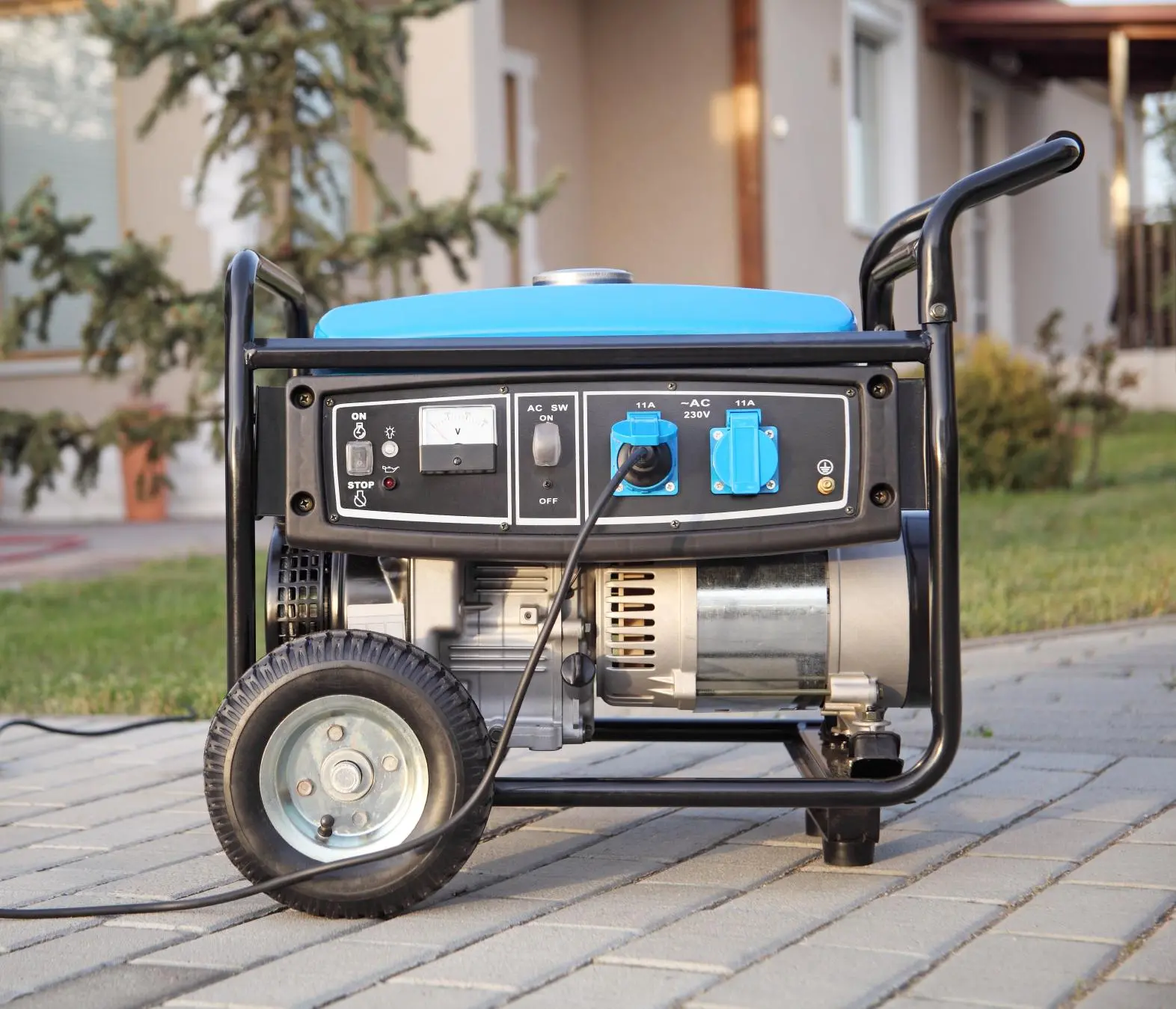
- Always operate generators outdoors, at least 20 feet away from any home. Always. Generators are often used after inclement weather, and therefore it can be tempting to bring them under cover. However, there is no safe operation of a portable generator indoors, even for a very short period, even in an open garage. CO can waft in through doors, windows, or roof ventilation, so it’s important to keep portable generators at a safe distance from homes.
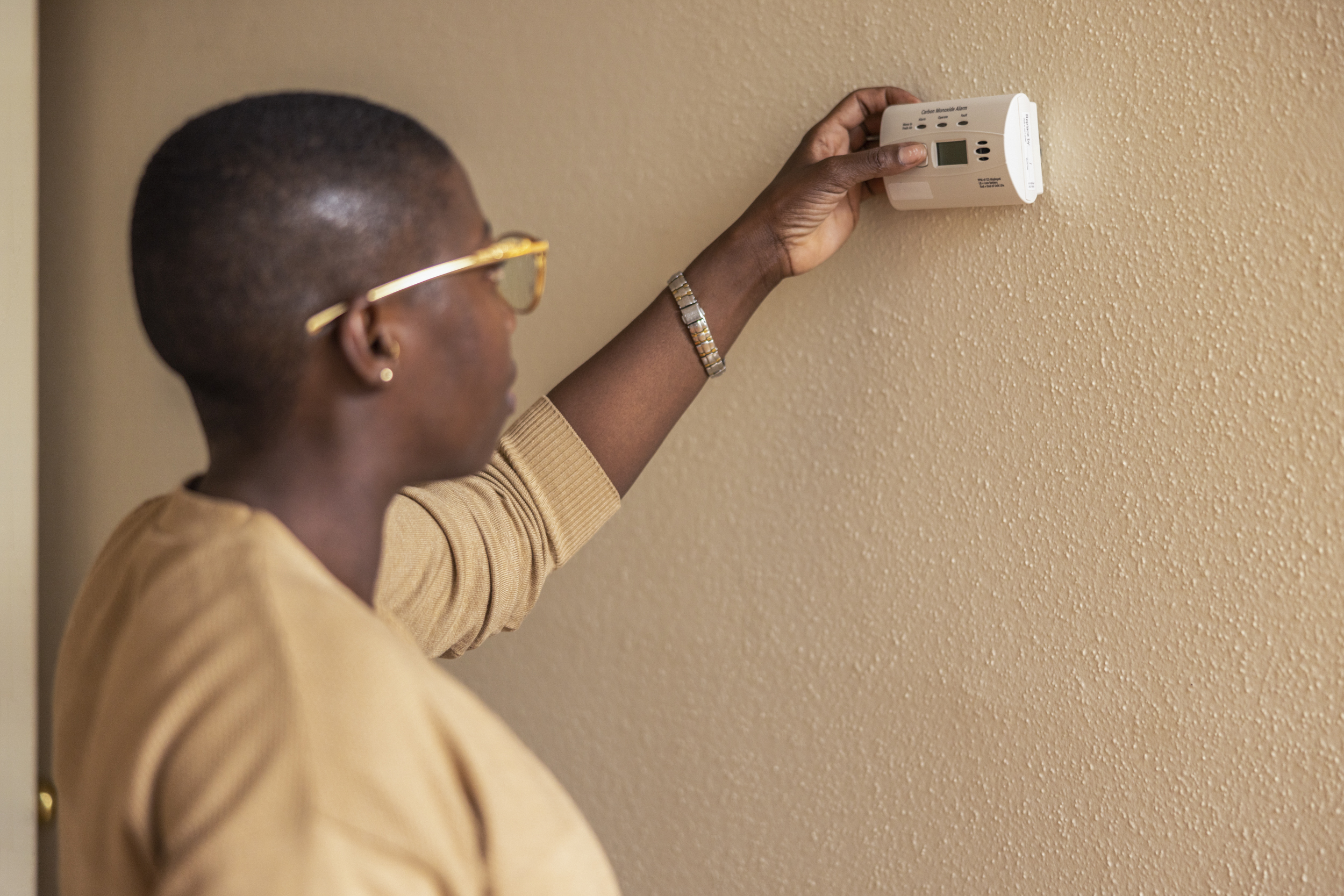
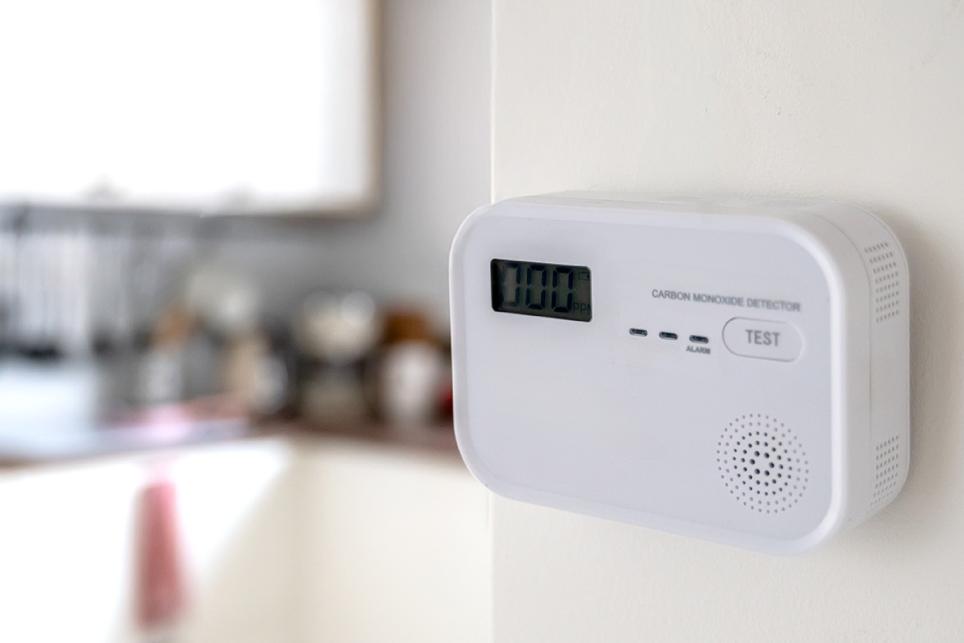
- Install carbon monoxide alarms in your home. Detection is prevention. A working CO alarm on every level of your home, especially near sleeping areas, is one of the most reliable ways to catch dangerous buildup of CO before it’s too late. Read more about the life-saving importance of carbon monoxide detection.
- Look for generators certified to our standard, UL 2201. In order to be certified to UL 2201, a portable generator must produce a reduced CO emission rate and be equipped with a sensor that automatically shuts the generator off if dangerous levels of CO are detected. In 2022, the CPSC conducted testing, based on roughly 140,000 simulations of real fatal incidents, that concluded, “generators compliant with the UL 2201 standard would avert nearly 100% of the deaths that occurred with the current, non-compliant generators.”
Frequently Asked Questions

most commonly asked
What is carbon monoxide, and why is it dangerous?
Carbon monoxide is a poisonous and deadly gas produced as a byproduct of the incomplete combustion of various fuels, including coal, wood, charcoal, oil, kerosene, propane, and natural gas. It is commonly produced by equipment powered by internal combustion engines, including portable generators, cars, lawn mowers, and power washers. Carbon monoxide is colorless, odorless, and tasteless, so there is no way to know it is accumulating without a CO alarm.
What is carbon monoxide poisoning?
Carbon monoxide poisoning occurs when CO replaces oxygen in red blood cells, leading to symptoms such as nausea, dizziness, headaches, vomiting, confusion, and even death. CO poisoning can be difficult to identify since early symptoms are often associated with other common illnesses. The only way to identify the presence of CO in a home is with a CO alarm. At high enough levels, CO can incapacitate or kill within minutes.
Where should you put a portable generator during use?
Portable generators should be placed at least 20 feet from your home, with the exhaust pointed away from windows, doors, and vents. Never run it inside a house, basement, garage, shed, or any enclosed or partially enclosed space. There is no safe operation of a portable generator indoors, even for a very short period. It is also a good idea to read the manufacturer instructions for operation of your specific product.
Can you run a portable generator in the garage?
No, never run a portable generator in a garage, not even with the garage door open. CO can build up fast in a garage and drift into your living space through nearby doors, windows, and vents.
Can a generator run outside in the rain?
While some portable generators can tolerate light rain, most are typically not designed to withstand heavy rain during use. Aftermarket covers are currently being sold to help operate generators outdoors in bad weather, and ULSE is in the process of developing a standard for these covers. Once published, the forthcoming UL 2201A will evaluate flammability of materials, while planned future updates will address hazards relating to maintaining proper ventilation when portable generator covers are used.
Can carbon monoxide from a generator enter a home even if the generator is outside?
Yes, if a portable generator is too close to a window, door, or vent, CO can seep inside within minutes, even from several feet away.
How does UL 2201 help reduce the risk of carbon monoxide poisoning?
Portable generators certified to UL 2201 must meet low CO emission limits and be equipped with a sensor that automatically shuts the unit off if dangerous levels of CO are detected. CPSC testing found “generators compliant with the UL 2201 standard would avert nearly 100% of the deaths that occurred with the current, non-compliant generators.”
What should consumers look for when buying a portable generator?
When buying a portable generator, look for one certified to UL 2201 to be sure the unit has a CO shutoff sensor and meets low CO emission requirements.
Do smoke alarms detect carbon monoxide?
Smoke alarms only alert to smoke. You will need a separate carbon monoxide alarm to detect carbon monoxide in your home, unless the product is explicitly listed as a combination smoke/CO alarm. If you aren’t sure, buying CO alarms is an inexpensive decision that may save your life.
What should you do if your generator suddenly shuts off?
If your generator suddenly shuts off, do not restart the generator indoors or in an enclosed space. The unit may have shut off because a sensor detected dangerous levels of CO. Follow the unit’s user manual to restart, making sure that it is operating outdoors with proper ventilation.