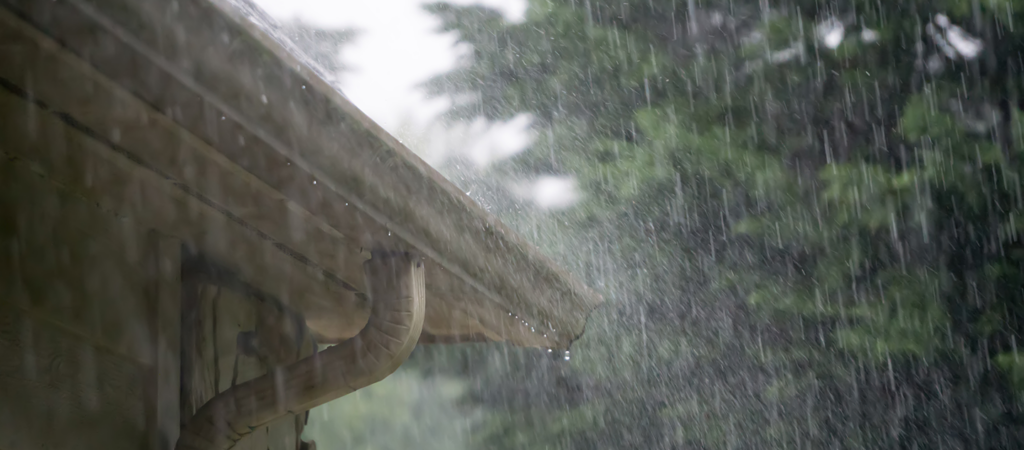
Climate Resilience
As climate change increases the frequency and intensity of extreme weather events, safety standards continue to evolve to help keep you safer, whether at home, work, or in your community.
What Is the Risk to You?
As the impact of climate change becomes more costly and widespread, safety standards promote climate resilience to help protect you, your home, and your community from increasingly severe and frequent weather events.
By the Numbers
Hover over each stat below to learn about the impact safety standards can have in mitigating extreme weather events.
Keep reading to explore examples of the power of prevention from people just like you.
Standards in Action
A safety standard is like an instruction manual put together by experts to guide the testing of products, services, and systems to make them safer for you.
Safety standards support more resilient homes and communities to keep you safe as natural events become increasingly severe.
Developing Standards to Reduce and Manage Wildfire Impacts
UL Standards & Engagement (ULSE), selected by the Standards Council of Canada (SCC), is leading a national initiative to develop two National Standards of Canada that support communities in assessing wildfire risk, strengthening preparedness, and reducing vulnerability to fire events.
Over the next two years, this work will deliver coordinated, practical standards addressing both building-level risks and community-level planning. These standards will support safer design and construction practices, improved land use planning, emergency preparedness, and public outreach in WUI areas.
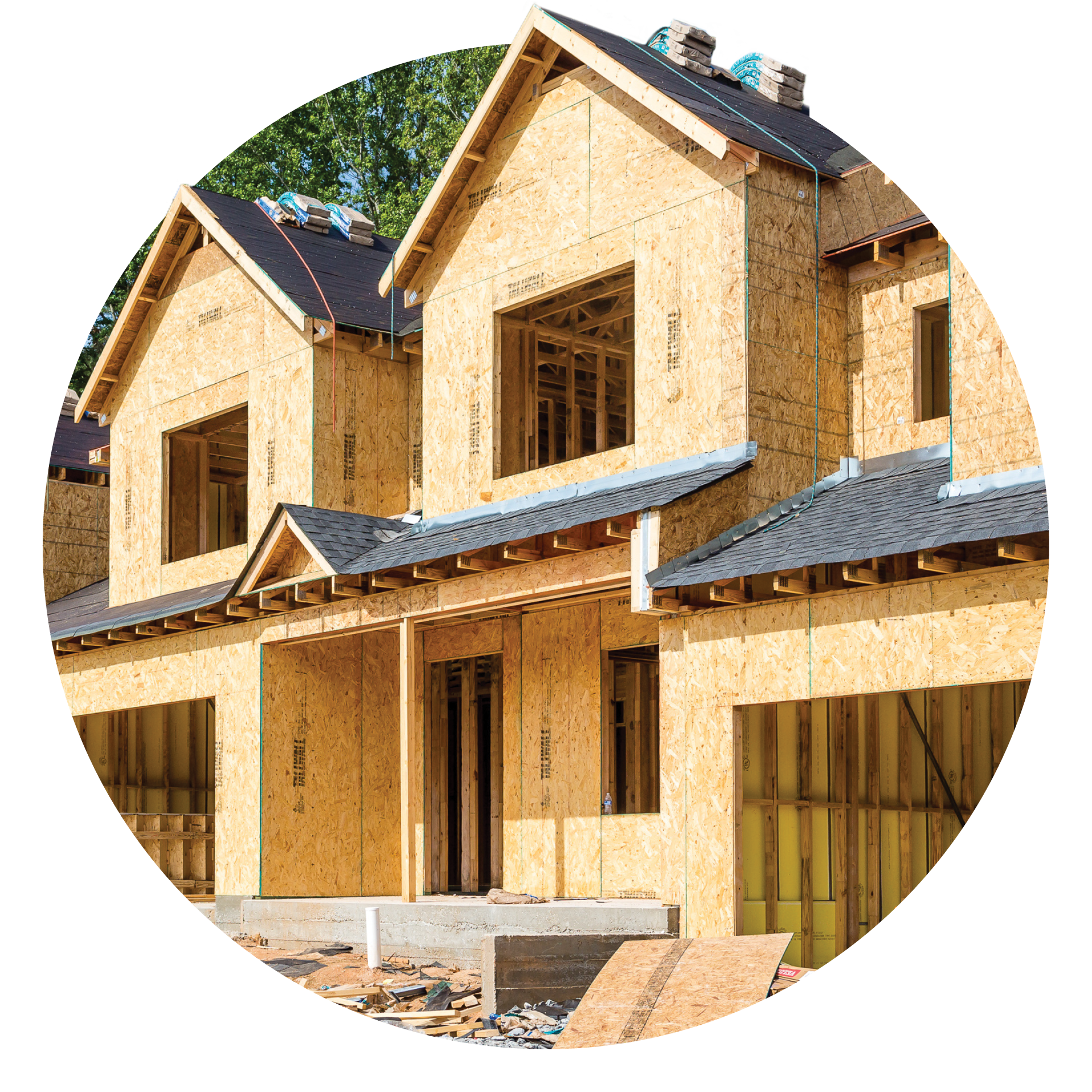
Climate Resilience Safety Resources
We are committed to improving the safety of everyone vulnerable to climate change threats — and it starts with education. Explore these resources to equip yourself with the knowledge you need to live more safely.
-
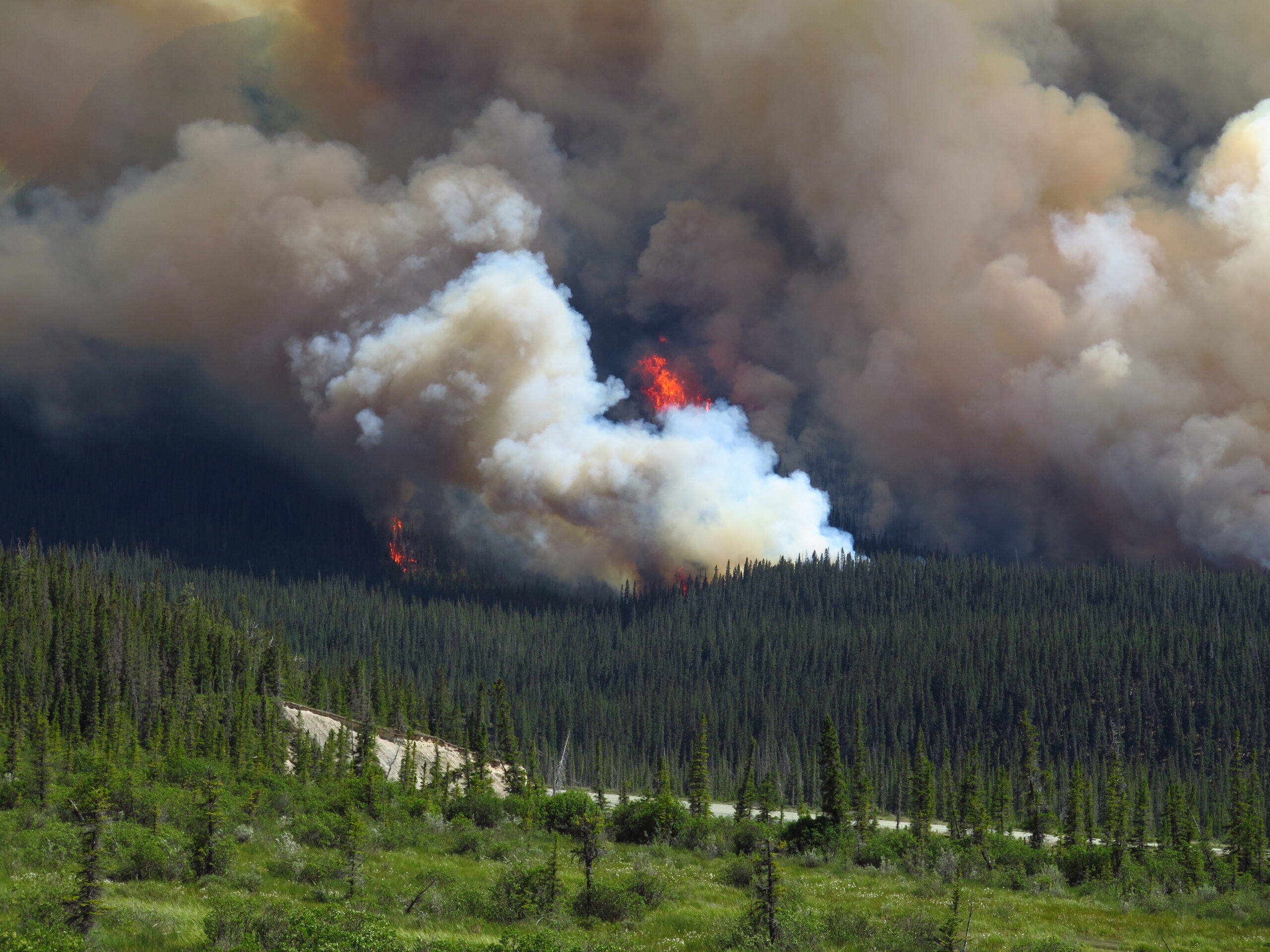
National Wildland-Urban Interface Initiative
UL Standards & Engagement is leading a national initiative to develop two National Standards of Canada that support communities in…
-
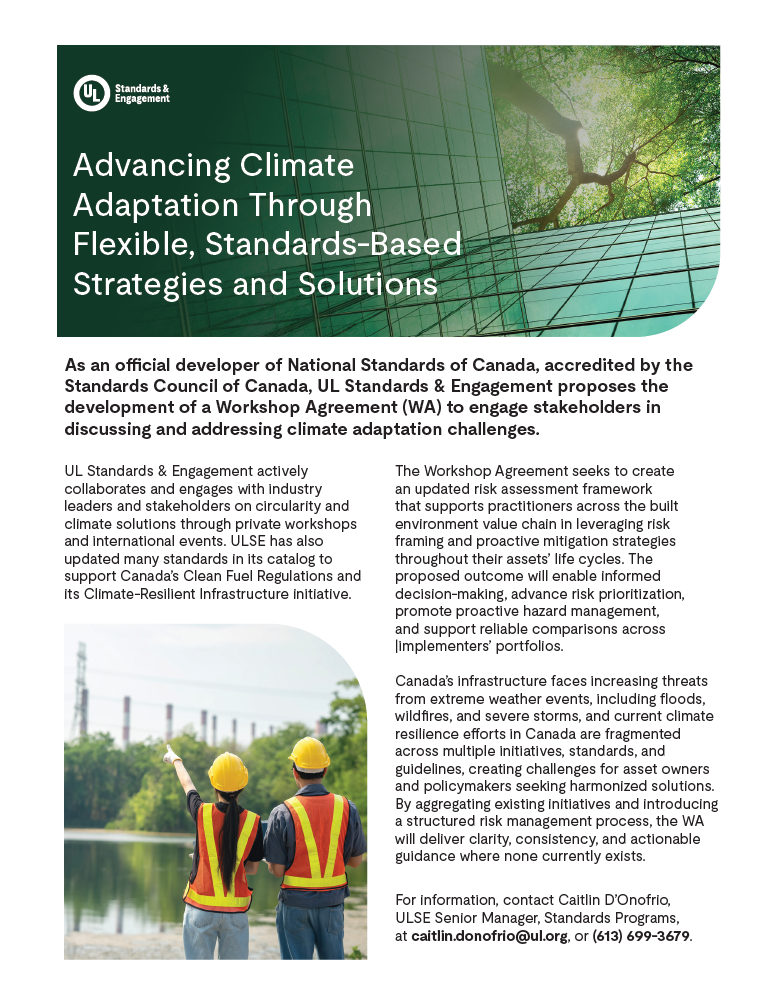
Advancing Climate Adaptation Through Flexible, Standards-Based Strategies and Solutions
As an official developer of National Standards of Canada, accredited by the Standards Council of Canada, UL Standards & Engagement…
-
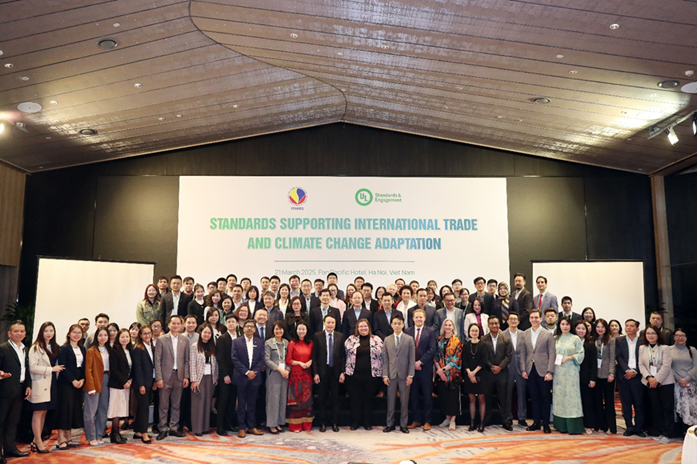
Strengthening International Collaboration and a Climate-Resilient Future Through Safety Standards
Discover how global experts convened in Hanoi to discuss the pivotal role of harmonized safety standards in enhancing climate resilience…
Frequently Asked Questions
Education can be one of our greatest assets in fighting risks associated with climate change. Continue reading for answers to common questions about climate resilience and safety standards and ways to mitigate your risk.

most commonly asked
What role do standards play in making buildings safer during wildfires?
Standards like UL 263, the Standard for Fire Tests of Structural and Construction Elements for Buildings, evaluate the fire protection of building components like columns, beams, ceilings, floors, and walls. The standard requires materials to be subjected to fire exposure tests, which are controlled to achieve specified temperatures throughout a specified time period, simulating fires that occur in commercial buildings, such as offices, hospitals and schools.
What makes a building disaster-prepared?
Building disaster preparedness involves containment and passive protection to limit fire spread, structural integrity measures to withstand disasters, early warning systems, emergency communication systems, following established building safety standards and regulations, and regular testing and compliance with fire safety requirements.
Spotlight
Climate Resilience Safety Standards
Safety standards have the power to save lives. Explore the standards that improve the safety of the built environment amidst climate change.
Our catalog includes more than 1,700 safety standards and documents that are regularly updated and added to. Click below to keep exploring how our standards are making the world safer for you.
Get Involved
The best standards are made possible by diverse voices and deep collaboration. Be part of the process by helping inform the next generation of standards.

Technical Committees
Each TC is a diverse group of experts representing a broad range of perspectives and interests, including consumers, manufacturers, regulators, supply chain professionals, and more.
As a TC member, you will review proposals for new or revised standards and work collaboratively to achieve consensus through balloting in our transparent process.
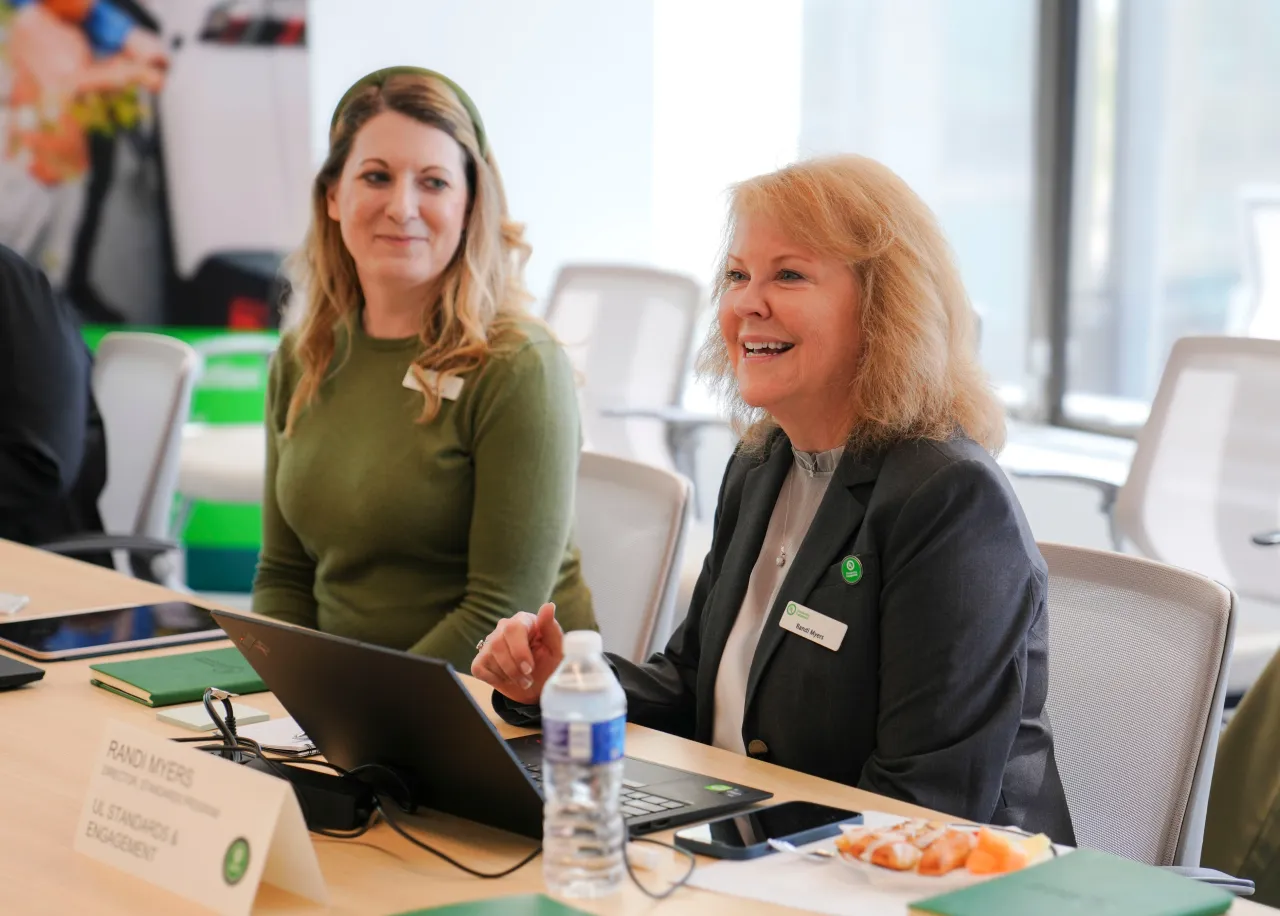
Stakeholders
Stakeholders can submit, review, and comment on proposals for new standards or revisions to existing standards. While these individuals cannot vote, the TC considers their input during the standards voting process. Since standards affect everyone, all are welcome to participate as stakeholders. Register online through our Collaborative Standards Development System, CSDS.