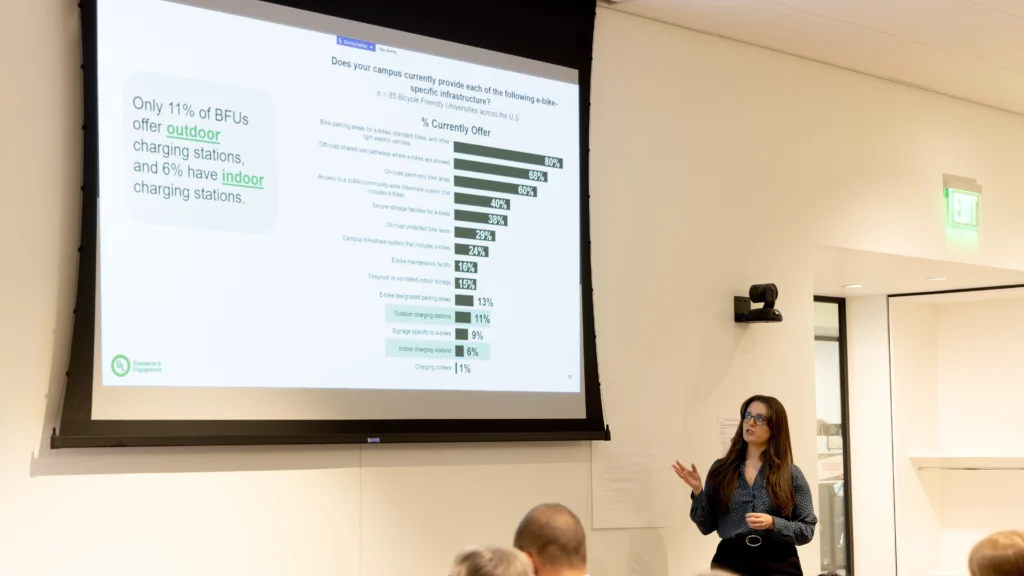
Insights & Data
Browse our publicly available digital resources and research findings in our digital library of safety information.

Data Insights
Signature Reports
The Rechargeable Society: Building Trust in a Battery-Powered World
Rechargeable batteries have become essential, bringing battery safety into new parts of everyday life, with 98% of consumers owning at least one rechargeable device.
As lithium-ion batteries power more of how we live, work, and move, the risk of thermal runaway—leading to smoke, fire, or explosion—is harder to ignore. This report examines how the Rechargeable Society reshapes daily life, its emerging safety challenges, and the vital role of standards, education, and public awareness.
The Rechargeable Society
Jeff Marootian, President and CEO of UL Standards & Engagement

“Consumers want to make informed decisions, but many told us they struggled with finding clear, accessible information about lithium-ion batteries. Even basic questions around what products contain them, what risks they pose, how to travel with them, and how to maintain them often require significant research. They are often also left without instructions for managing batteries that are damaged, defective, recalled, or showing signs of thermal runaway.”
– Dr. Emily Brimsek, Senior Manager of Qualitative Insights
43%
Of consumers say they do not know what a lithium-ion battery is according to a ULSE survey.
59%
Of consumers say they are unfamiliar with strategies that can reduce the risk of thermal runaway.
56%
Of consumers report purchasing rechargeable products from online marketplaces where counterfeits can be even more difficult to spot.
98%
Of consumers owning at least one rechargeable device.
Lithium-Ion Battery Incidents in Aviation: 2025 Data Review
Rechargeable devices, such as phones, laptops, tablets, and power banks, are essential to modern air travel. But as lithium-ion batteries become more widely used in these and other consumer products, the risk of safety hazards from thermal runaway continues to grow.
UL Standards & Engagement collects thermal runaway incident data and surveys airline passengers to better understand the risks and realities of rechargeable batteries overheating in aviation settings. This report offers the third annual look at those findings.

“Every incident is a safety risk, and the trend line is moving in the wrong direction. Passengers do not need to be safety experts to reduce the risk. Keeping rechargeable devices within reach can help us all fly in safer skies.”
–Jeff Marootian, President and CEO of UL Standards & Engagement
Jump in portable charger incidents over last year, making them the leading device involved in incidents
Increase in thermal runaway incidents on passenger planes from 2024 to 2025

Of passengers admit to putting lithium-ion powered products in their checked luggage

Download the full report to see more data and details, as well as methodology, additional insights, and strategies to reduce the risk.
How Safety Oversights of E-Mobility Riders Threaten More Lithium-Ion Battery Fires
The e-mobility device landscape in the United States, comprised primarily of e-bikes and e-scooters, is undergoing a significant expansion fueled by advances in lithium-ion batteries and the allure of convenience.
However, amid this rapid growth has come a troubling knowledge gap, leading to misuse that increases the risk of batteries going into thermal runaway, a state of uncontrollable heat that can result in fire or explosion if the lithium-ion battery is damaged, overcharged, or defective.
E-Mobility Devices and Thermal Runaway
Thermal runaway and resulting lithium-ion battery fires are major safety threats. Learn how standards can help.

E-bikes, e-scooters, and other micromobility devices are growing rapidly in use in communities across the globe.

Recent UL Standards & Engagement surveys reveal a surprising lack of understanding among e-bike and e-scooter riders about the main technology powering their devices.

These public awareness gaps and misconceptions further underscore the urgent need for education, standards, and where appropriate, policy to support safer products.
54%
Of current e-bike and e-scooter owners purchased it to support workrelated tasks such as delivery gigs.
53%
Of owners of e-bikes are unaware that their device is powered by a lithium-ion battery.
49%
Nearly half of e-bike riders (49%) who charge at home are blocking their home’s fire exits, a contributing factor in several cases where death occurred.
41%
Of e-mobility users report routinely charging their device overnight.
Rising Incidents, Shifting Responsibility: Lithium Batteries in the Aviation Cargo Supply Chain
Cargo airlines serve as the final checkpoint before takeoff, but limited visibility into shipments and a complex supply chain can make it difficult to identify and mitigate lithium-ion battery risks. Our research reveals a supply chain strained by fragmentation, uneven accountability, and commercial pressures that prioritize speed over safety.
ULSE conducted in-depth interviews and focus groups with cargo airlines, regulators, manufacturers, freight forwarders, e-commerce stakeholders, and shippers across the global battery supply chain. Click to see interview insights:
“If you have poor quality, everything else down the road doesn’t matter because poor quality is always going to show its head.”
-Battery Manufacturer
“There should be something that I have to put on the outside of the box to let them know what’s inside, but that has never been shown or taught to me.“
-Industry Shipper
“…even if you’re properly trained, our regulations are really complicated. I think there’s deliberate noncompliance and innocent noncompliance.”
-Industry Regulator
“Regulatory authorities are really relying on carriers…to do a lot of their policing and enforcement and investigation to try and identify shippers, reject shipments, even to bar…or refuse business from certain shippers.”
-Air Cargo Operator
Increase in thermal runaway incidents in cargo aviation from 2021 to 2025
Average rate of increase in incidents per year

Of air cargo in the U.S. is carried on commercial passenger flights
Download the full report to learn more about lithium-ion battery incidents in cargo aviation.
Featured Insights & Data
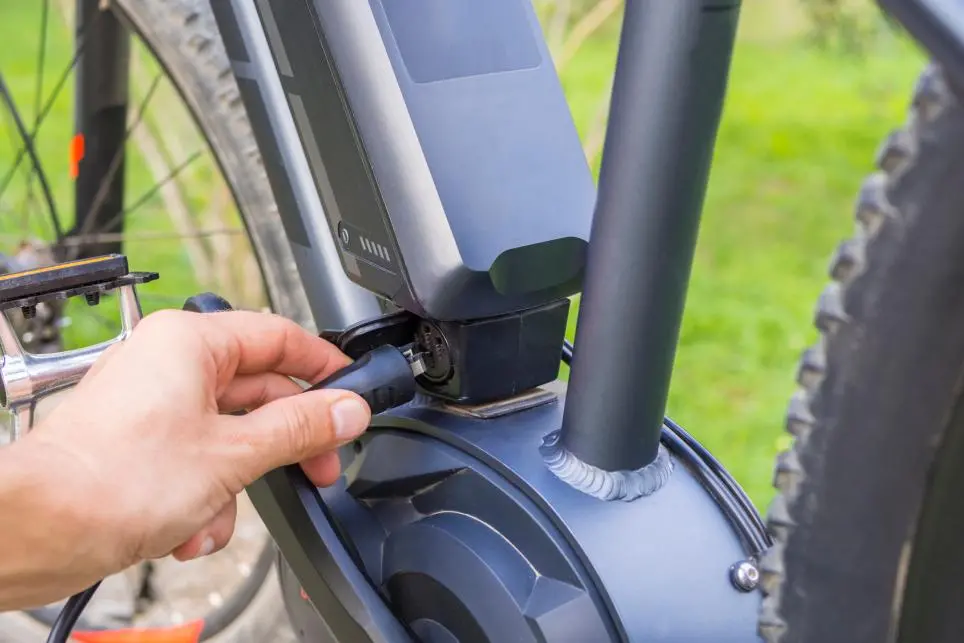
The majority of e-mobility device owners are unaware that their devices are powered by a lithium-ion battery.

individuals have no means of detecting CO leaks in their homes.
Explore By Focus Area
-

Lithium-Ion Battery Incidents in Aviation: 2025 Data Review
-
Lithium-Ion Battery Incidents in Aviation: 2025 Data Review
-

Celebrating 25 Years of Industrial Control Panel Safety with UL 508A
-

National Wildland-Urban Interface Initiative
-

Adhering to the WTO Technical Barriers to Trade Principles
-
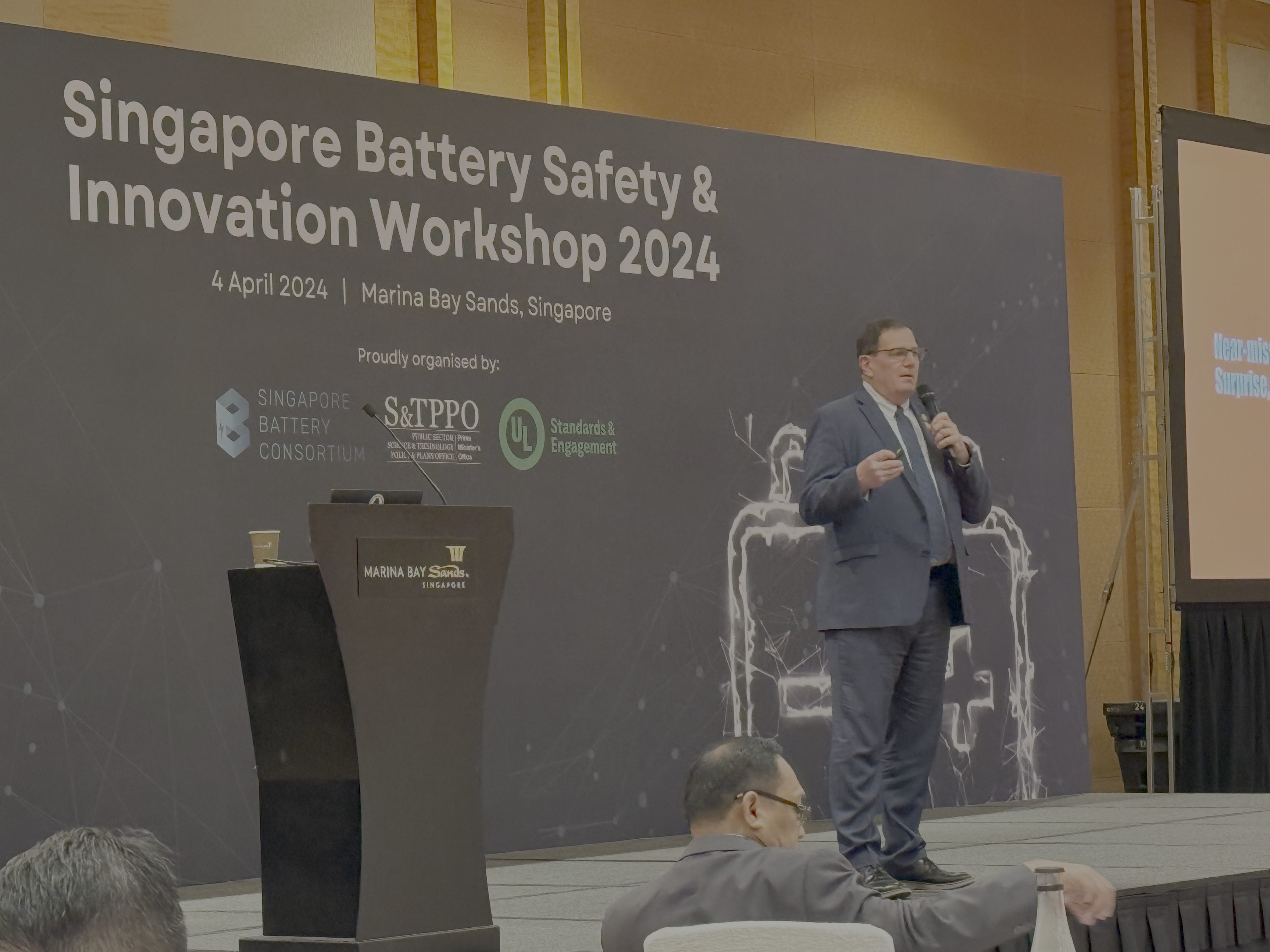
ULSE International Standards 2024: The Year in Review
-
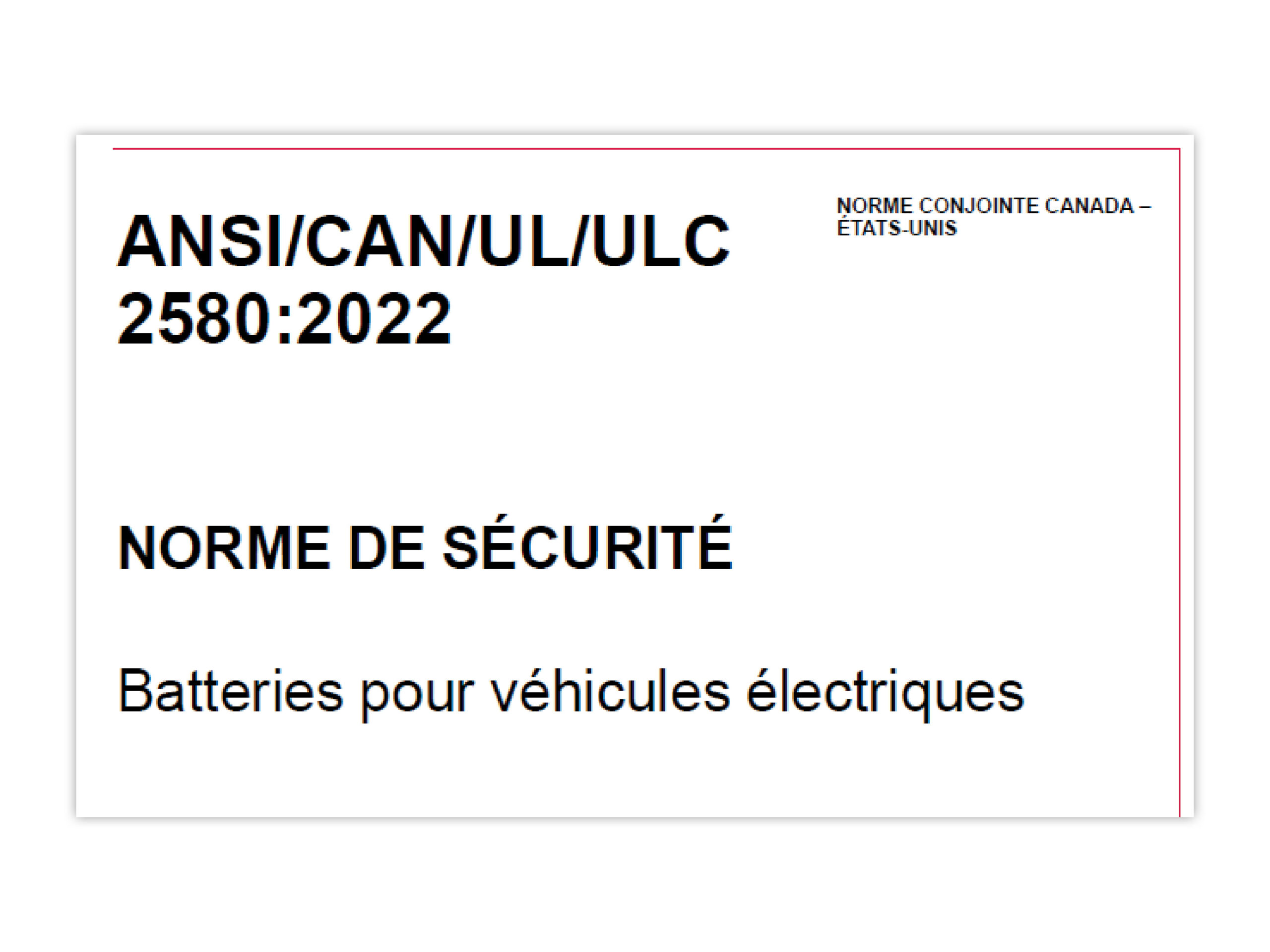
Avis aux Utilisateurs des Normes ULSE en Français
sort
-

Reports
The Rechargeable Society: Building Trust in a Battery-Powered World
-
Reports
Lithium-Ion Battery Incidents in Aviation: 2025 Data Review
-

Other Resources
Faire progresser l’adaptationau changement climatiquegrâce à des stratégies et dessolutions flexibles fondéessur des normes
-

Other Resources
Advancing Climate Adaptation Through Flexible, Standards-Based Strategies and Solutions
-
Other Resources
Celebrating 25 Years of Industrial Control Panel Safety with UL 508A
-
Other Resources
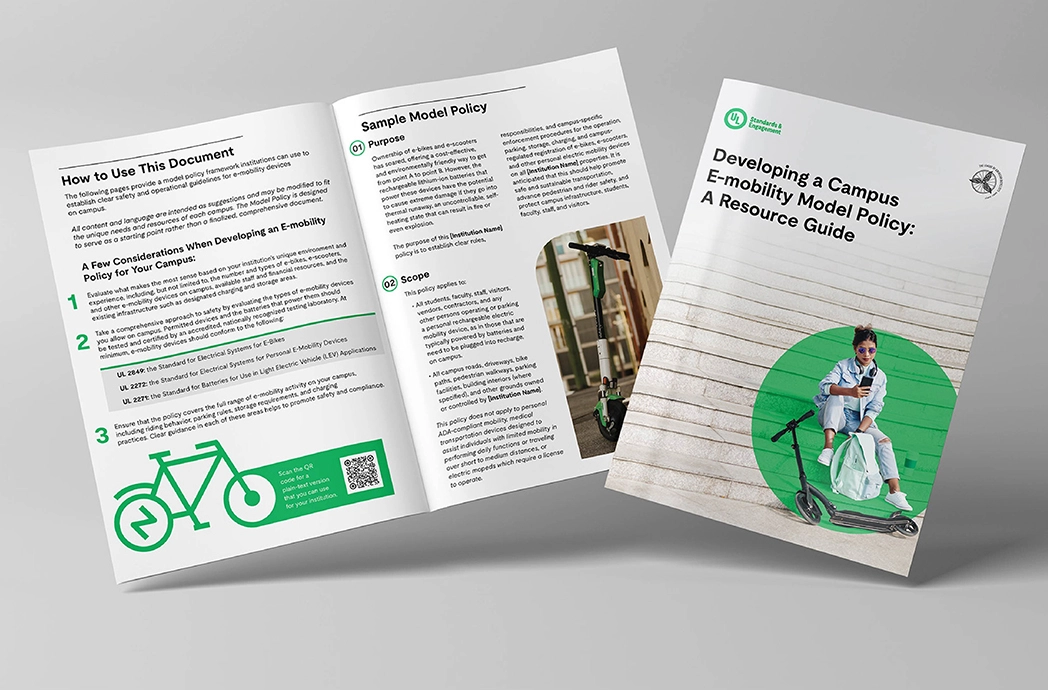
Ready-to-Use Campus E‑Mobility Policy Template and Guide