Fire Protection
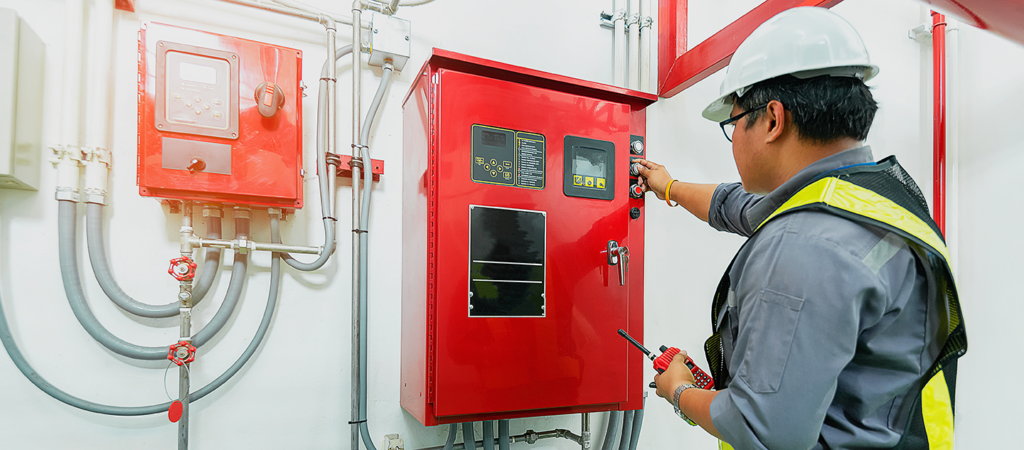
Preventing, detecting, and suppressing fire saves lives. Safety standards for smoke alarms, detection systems, and firefighting equipment help make the world safer for you.
What is the Risk to You?
Every year in the U.S., home fires cause 550 deaths, 4,820 fire injuries, and more than $1 billion in property damage. And with the increase in synthetic materials in the average home, there are just minutes to escape a fire.
Any life lost to fire is one too many, and standards are critical to mitigating tragedies like these.
By the Numbers
Hover over each stat below to learn how proper prevention, detection, and suppression can avert tragedy.
Keep reading to explore examples of the power of prevention from people just like you.
Standards in Action
A safety standard is like an instruction manual put together by experts to guide the testing of products, services, and systems to make them safer for you.
For fire safety, this means making products like smoke detectors and alarm systems, home heating and cooking appliances, firefighting equipment, and fire protection systems safer.
Disabled Smoke Alarms Lead to Tragedy
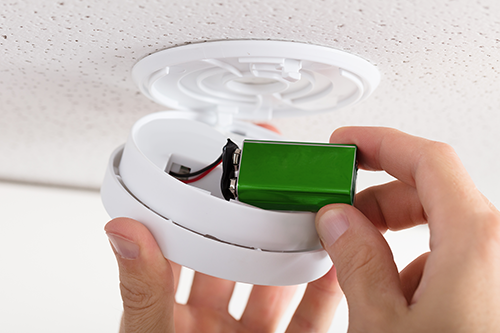
That chirping noise your smoke alarm makes when the batteries are low might be annoying, but it’s there to save lives. Many people make a deadly mistake by removing batteries to stop the chirping. Despite good intentions to install new batteries later, it’s easy to forget — which can have devastating consequences.
On November 6, 62-year-old Peter Gurley fell victim to a fire at his home in Nantucket, Massachusetts. Tragically, all six smoke detectors in Gurley’s home were not functioning, having been removed from the ceiling and without batteries installed.
Fire Safety Resources
We are committed to improving the safety of everyone vulnerable to fire threats, starting with education. Explore these resources to equip yourself with the knowledge you need to live more safely.
-
The Difference Between Smoke Alarms and CO Alarms – And Why It’s Important
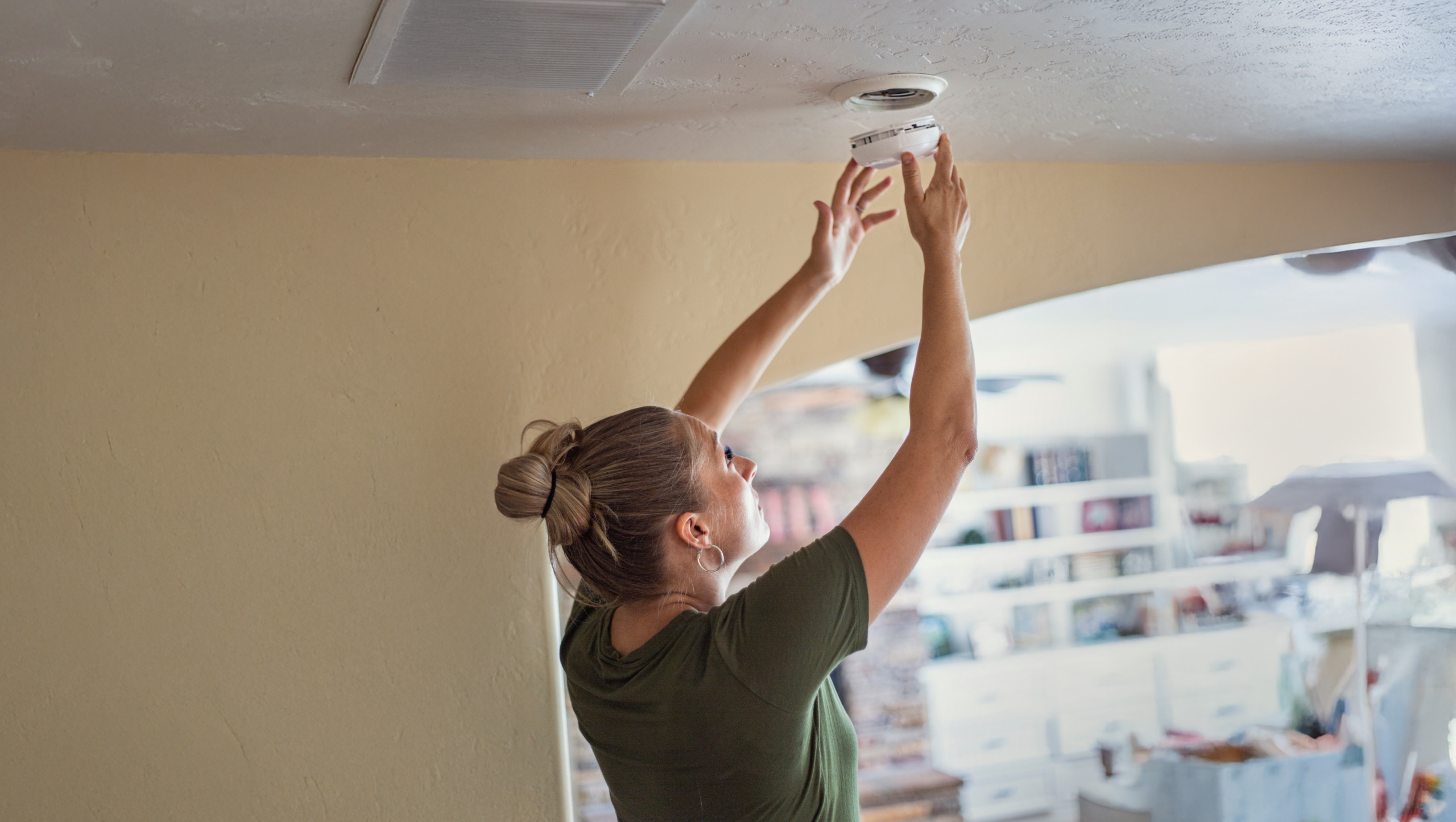
Your standard smoke alarm is not a carbon monoxide alarm, and that’s an important thing to know.
-
UL Organizations Partner with Red Cross to Install 105 Free Smoke Alarms in Evanston Homes
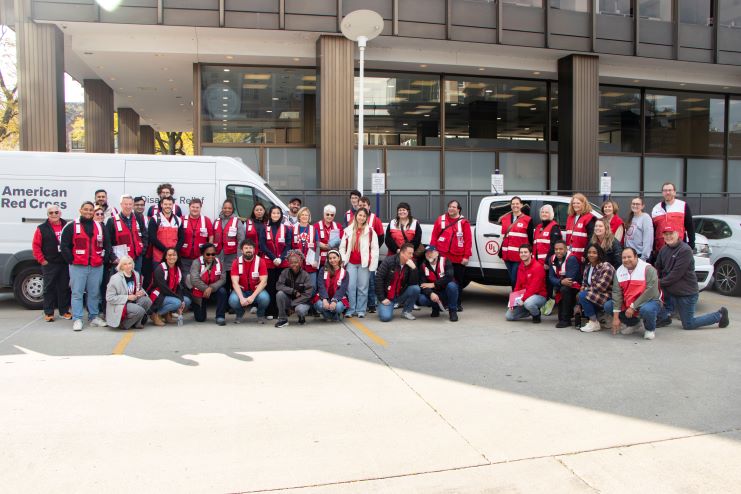
Discover how UL and the Red Cross are helping make Evanston homes safer with free smoke alarms and expert home…
-
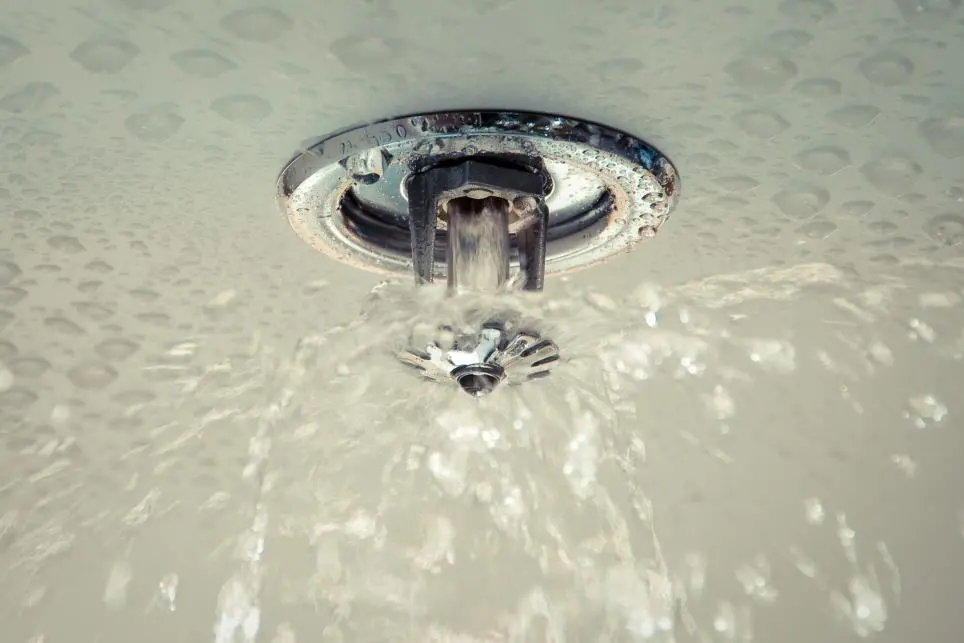
Fire Risks Are Changing But is the Unheralded Sprinkler the Answer?
Sprinklers can prevent fires from spreading beyond a single room 96% of the time—find out why they matter.
Frequently Asked Questions
Education can be one of our greatest assets in fighting fire safety risks. Continue reading to find common questions about fire safety and learn how to mitigate your risk.

most commonly asked
What are common safety challenges related to fire detection and suppression?
According to the Fire Safety Research Institute, due to the synthetic materials that comprise many modern home furnishings, homeowners now have only three minutes or less to escape a fire. Our fire safety standards cover building materials, fire detection systems, and fire suppression systems to help limit the spread and notify residents at the first signs of a home fire when escape is most critical.
Does fire classification matter for fire extinguishers?
Fire extinguishers are critical tools for controlling small fires before they escalate. Understanding the different types and their specific uses is vital.
- Class A fires involve ordinary combustible materials such as wood, cloth, paper, rubber, and many plastics.
- Class B fires involve flammable liquids, oils, petroleum greases, tars, oil-based paints, solvents, lacquers, alcohols, and flammable gasses.
- Class C fires involve energized electrical equipment, which requires the fire extinguishing agent to be electrically nonconductive as discharged.
- Class D fires involve combustible metals such as magnesium, titanium, zirconium, sodium, lithium, and potassium.
- Class K fires involve cooking appliances with flammable cooking oils and fats.
How can I improve fire safety in my home?
You can improve fire safety in your home by following the steps below:
- Install a smoke alarm on every level of your home — within 21 feet of any door to a sleeping room, as well as in all sleeping rooms and guest rooms.
- When shopping for a new smoke detector, be sure to buy one that is listed for resistance to nuisance alarms in accordance with UL 217.
- Place smoke alarms no less than 10 feet from cooking appliances to prevent nuisance alarms.
- Check batteries in smoke alarms every six months and replace alarms every 10 years or sooner.
- Create and practice an escape plan.
- Close bedroom doors at night to prevent the spread of flames.
How do I keep my smoke alarm from going off while cooking?
- Ensure your smoke alarm is not installed too close to your oven or stove. Alarms should not be installed within a 10 feet radius from a fixed cooking appliance unless the space is not large enough. In this case, smoke alarms are permitted within a 6–10 ft radius of the appliance if they comply with UL 217.
- If your alarm continues to go off despite proper installation, consider replacing it. Smoke alarms expire after 10 years. Look for alarms listed for resistance to nuisance alarms in accordance with UL 217.
- Read more tips here.
How do I stop my smoke alarm from chirping or beeping?
If your smoke alarm is chirping once every 30–60 seconds, it means the battery is low and needs to be replaced. Once you install a new battery, the chirping will cease. Press and hold the test button to test your alarm. Be prepared to hear a loud, piercing sound, which lets you know the alarm is working.
If your smoke alarm spontaneously emits a continuous three-pulse signal, immediately get out of your home and call 911. This signal means that the smoke alarm has detected a fire.
Spotlight
Fire Safety Standards
Safety standards have the power to save lives. Explore UL standards that mitigate the risk of fire and help prevent tragedies.
UL 217, Smoke Alarms
We worked with a technical committee of fire and alarm industry experts, manufacturers, regulators, and other professionals, to ensure smoke alarms are designed and manufactured with improved sensing technology that can differentiate between cooking smoke and early signs of a home fire. UL 217, helps ensure smoke alarms are ready to alert residents in the first moments of a fire — when escape is critical.
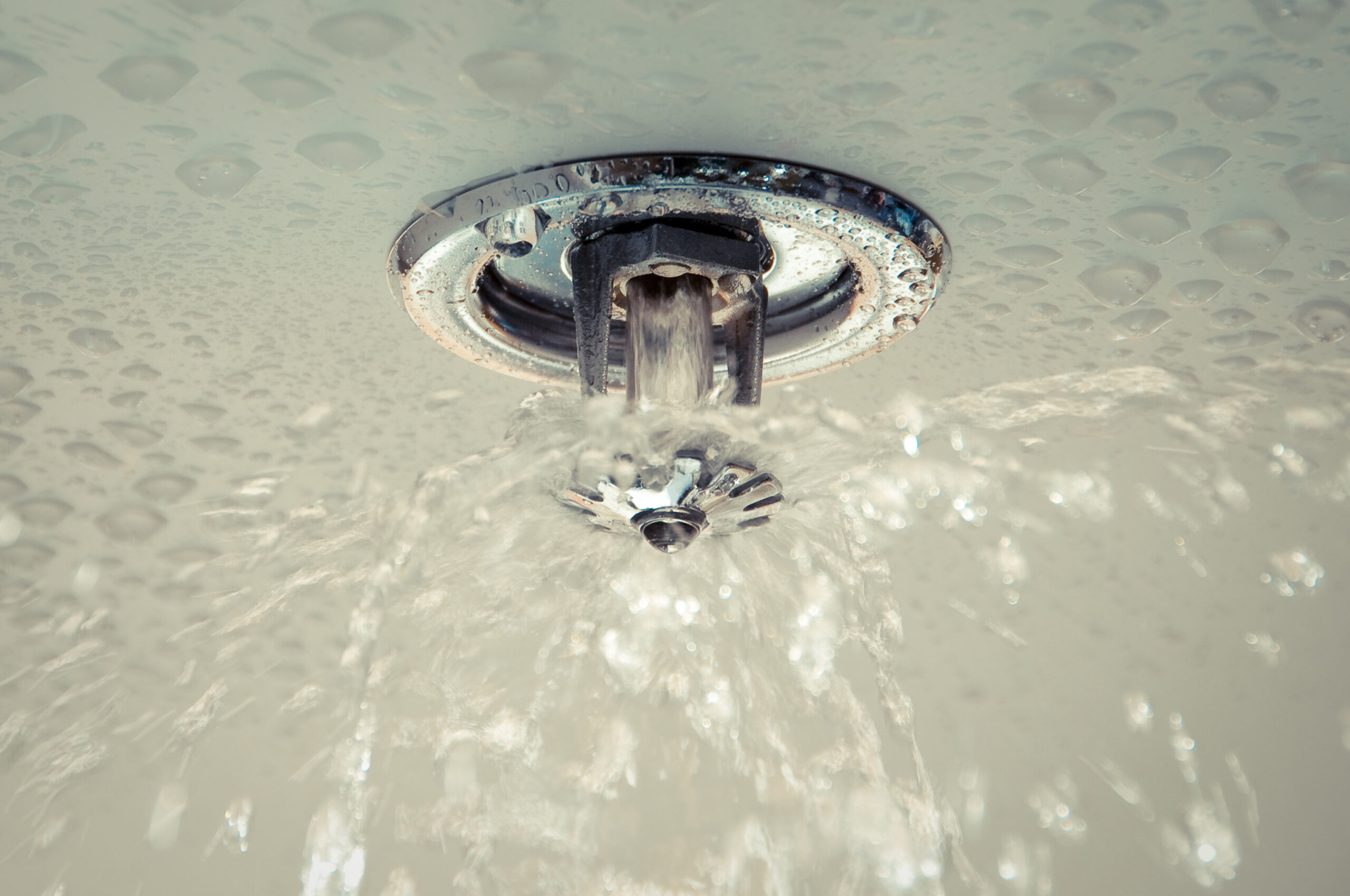
UL 199, Automatic Sprinklers for Fire-Protection Service
In order to help ensure consistent, reliable sprinkler operation in the event of an emergency, UL 199, the Standard for Residential Sprinklers for Fire-Protection Service, details requirements for testing to evaluate the construction and performance of sprinkler components. To meet the standard, residential sprinklers must be able to withstand specific amounts of hydrostatic pressure without leaking, and that they must also be able to open as intended and release water at a consistent pressure and distribution area. Leakage tests, hydrostatic strength tests, water distribution tests, and fire tests are detailed in the standard to help evaluate each sprinkler system.
UL 10B, Standard for Fire Tests of Door Assemblies
Fire doors are required to meet safety standards to help prevent fires from spreading. Our standard, UL 10B, the Standard for Fire Tests of Door Assemblies, provides requirements for testing to help certify fire doors. In one test, fire doors are exposed to fire conditions in a controlled environment, followed by a standard fire hose stream. In order to meet the requirements for intended performance, the door must remain in the opening during the fire endurance and hose-stream test (within specific limitations) to help ensure it will help to block the passage of flames in an emergency situation.
Our catalog includes approximately 1,700 safety standards and documents that are regularly updated to address threats as they emerge. Click below to keep exploring how our standards are making the world safer for you.
Get Involved
The best standards are made possible by diverse voices and deep collaboration. Be part of the process by helping inform the next generation of standards.

Technical Committees
Each TC is a diverse group of experts representing a broad range of perspectives and interests, including consumers, manufacturers, regulators, supply chain professionals, and more.
As a TC member, you will review proposals for new or revised standards and work collaboratively to achieve consensus through balloting in our transparent process.

Stakeholders
Stakeholders can submit, review, and comment on proposals for new standards or revisions to existing standards. While these individuals cannot vote, the TC considers their input during the standards voting process. Since standards affect everyone, all are welcome to participate as stakeholders. Register online through our Collaborative Standards Development System, CSDS.