AT A GLANCE
- Lithium battery incidents in air cargo are rising as more rechargeable products move through a complex global supply chain where safety responsibilities are often shared and unclear.
- Read the article to learn how battery quality, training gaps, and evolving regulations are increasing risk across the air cargo supply chain.
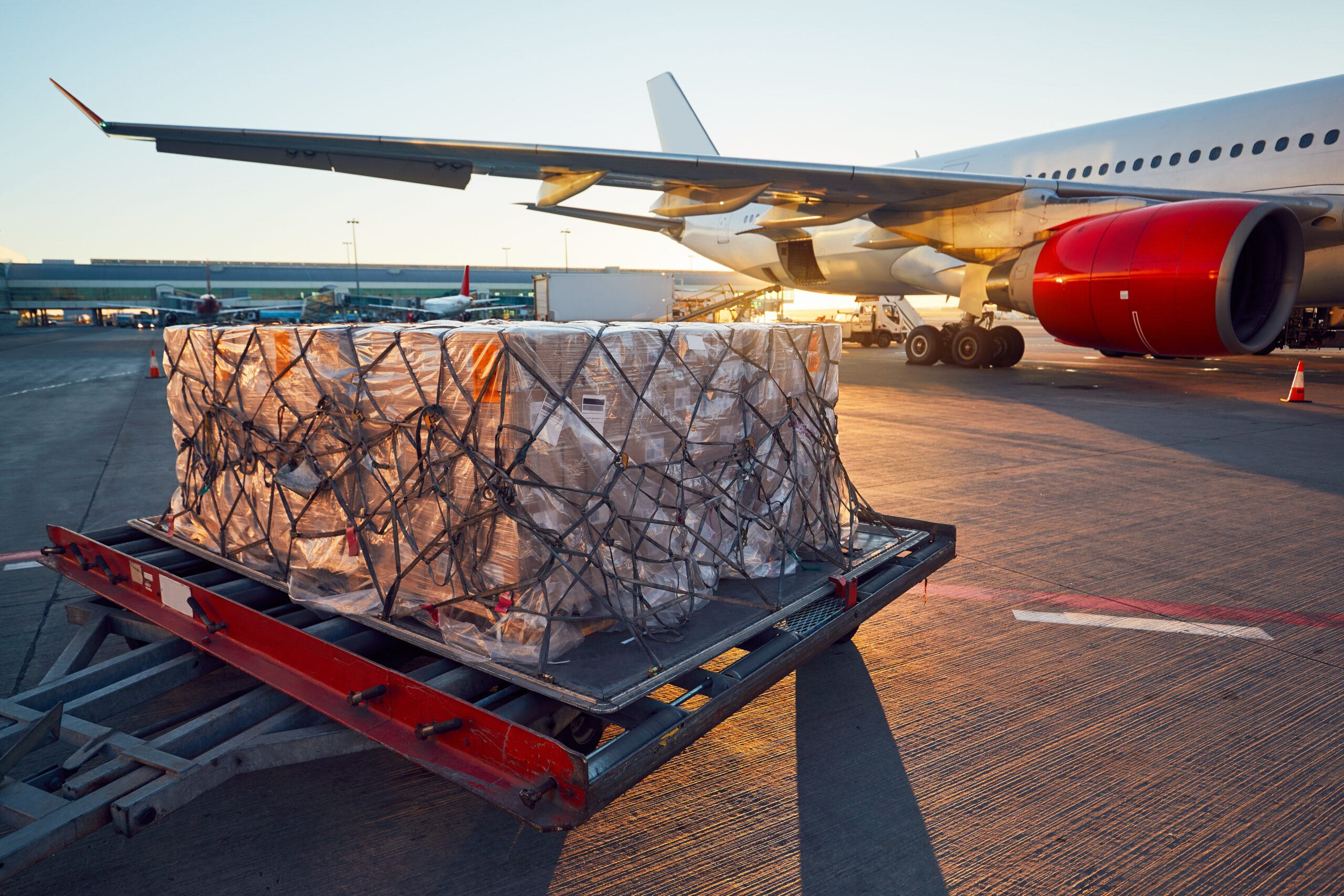
According to the International Air Transport Association (IATA), more than 1.25 million dangerous goods shipments are transported by air annually, with rechargeable lithium batteries and products (like smartphones, power banks, toys, and personal care items) representing approximately one-third of those shipments.
Many people may not think of a smartphone, a remote-control car, or an electric beard trimmer as a “dangerous good” when considered alongside fireworks or chemicals. However, this oversight presents a major issue for aviation safety.
Lithium-ion batteries are now present in innumerable products, powering everything from consumer electronics to industrial equipment. Their transportation through freight networks including global air cargo, is creating a growing safety liability. New data from UL Standards & Engagement’s Thermal Runaway Incident Program shows a 40% increase in reported lithium battery incidents in air cargo between 2021 and 2025.
More Batteries, More Risk
The increase correlates with growing demand for low-cost, rechargeable battery-powered products. As more of these devices move through cargo networks, there is greater risk that one or more of these batteries could enter thermal runaway — an uncontrollable, self-heating state that can lead to fire or even explosion. This risk is compounded by a supply chain that is fragmented by nature: batteries pass through manufacturers, wholesalers, freight forwarders, consolidators, third-party logistics providers, and airlines before reaching consumers. And in many cases, they are packed and shipped back as returns. Each link depends on the one before it to comply with safety and declaration requirements, a structure built on trust, but one that also allows plausible deniability of accountability when something goes wrong.
Through ongoing research with cargo industry stakeholders, we identified several recurring factors that are driving this risk.
- Battery quality. Batteries that do not conform to internationally recognized safety standards continue to enter the supply chain. While not illegal in most cases, these substandard batteries have a heightened risk of thermal runaway.
- Gaps in training and guidance. Stakeholders report that inconsistent training, varying levels of operational expertise, and insufficient regulatory guidance can result in declaration, packaging, and documentation errors, even among organizations (such as shippers, e-commerce sellers, and small businesses) actively attempting to comply. Additionally, some shippers are unaware that lithium-ion batteries are regulated dangerous goods, or do not fully understand packaging, labeling, documentation, and transport requirements.
- Complex and evolving regulations. There are baseline international regulations for dangerous goods, however, some jurisdictions may have stricter regulations than others. They also vary across different modes of transportation. Even well-intentioned shippers may struggle to remain current and compliant.
Helping Make Air Cargo Safer
Addressing the air cargo challenge will require more than incremental fixes. With thermal runaway incidents in cargo aviation rising by 9% each year, it is critical that air cargo industry leaders come together to help reduce risk while delivering the products that are in critical demand.
Reducing risk requires policies and programs that make compliance easier and more economically attractive. Strategies to reduce risk include strengthening accountability and oversight across the supply chain and increasing guidance on risk mitigation, incident response, screening, and prevention.
Wide adoption of battery safety standards, such as UL 1642 for lithium batteries, and UL 2054 for household and commercial batteries, can also help prevent unsafe batteries from entering the supply chain.
Finally, addressing awareness gaps, improving data sharing and expanding the adoption of safety standards can help strengthen compliance across supply chains for a more resilient cargo ecosystem.
Frequently Asked Questions

most commonly asked
What is thermal runaway, and why does it matter in air cargo?
Thermal runaway is an uncontrollable, self-heating chemical reaction inside a lithium battery that can result in fire, extreme heat, or explosion. In a cargo hold, where access and firefighting options are limited mid-flight, a thermal runaway event poses a serious risk to the aircraft and everyone on board.
Why are lithium battery incidents in air cargo increasing?
○ Incidents are rising alongside consumer demand for low-cost, battery-powered products. As more devices containing lithium batteries move through global supply chains, the volume of batteries at risk of damage, substandard manufacturing, or improper handling increases correspondingly.
Who is responsible for ensuring lithium batteries are shipped safely?
Responsibility is shared across manufacturers, shippers, freight forwarders, and airlines, but it is often diffused in practice. Cargo carriers frequently end up responsible for catching noncompliance they did not create and, in many cases, cannot fully verify.
Why does the origin of a battery shipment matter?
Manufacturing quality, regulatory oversight, and enforcement rigor vary significantly by region. Data shows that a substantial share of known-origin incidents begin at airports in a small number of countries, reinforcing geography as a contributing risk factor.
What role do small and individual shippers play in this issue?
Small and individual shippers often lack in-depth hazmat knowledge and may not recognize their shipments as dangerous goods, which can lead to mislabeling, improper packaging, or missing documentation, even without any intent to violate regulations.
What regulations govern lithium battery shipments by air?
Lithium batteries are classified as dangerous goods under international regulations. As of January 1, 2026, updated rules further restrict the permitted state of charge for certain battery shipments.
What can airlines and regulators do to reduce this risk?
○ The report’s recommendations center on three areas: (i) establishing clear, enforceable and shared responsibility across the supply chain, (ii) strengthening education and coordination to reduce shipper error, and (iii) adopting product safety standards.
Where can I learn more about the full findings?
The complete report, “Rising Incidents, Shifting Responsibility: Lithium Batteries in the Aviation Cargo Supply Chain,” and a recently published Addendum, are both available from UL Standards & Engagement and include full methodology, incident data, and stakeholder interview findings.