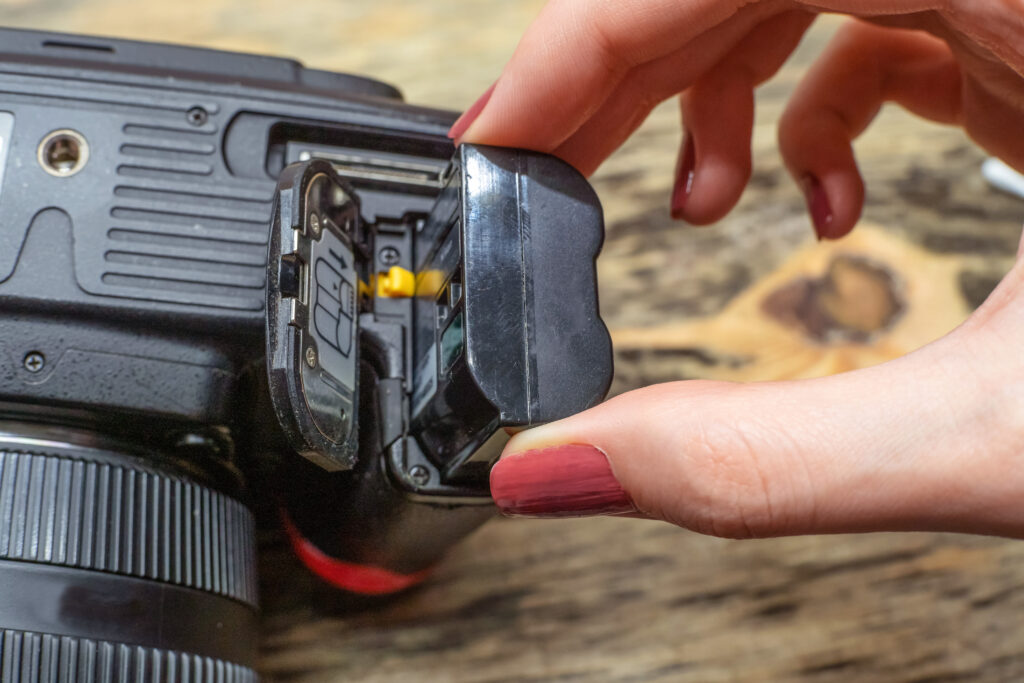
AT A GLANCE
- A low price can be appealing when shopping online, but when it comes to rechargeable products, a bargain can carry costs – and risks – that are not always visible at checkout.
- Rechargeable batteries can offer safe and reliable convenience when designed and tested to safety standards, but counterfeit, non-compliant, and substandard products carry significant risks.
They’re hard to avoid, and for many, hard to turn down.
I’m talking about those ads that pop up while you’re browsing online and make you think you have an incredible deal.
You might think you’re getting a good bargain because the company is bypassing retailers and distributors and passing the savings on to you. In many cases, however, they are also bypassing third-party testing and certification to safety standards — which are critical to helping ensure safety for products you bring into your home.
When it comes to rechargeable products, these safeguards are especially important. Rechargeables like electric bikes, power banks, tablets, smartphones, portable fans, toys, tools, and grooming products, all run on lithium-ion batteries, which can store a large amount of energy in a small space, but if damaged or malfunctioning, they can overheat and enter a process known as thermal runaway, which can lead to smoke, fire, or even explosion. Safety standards for lithium-ion batteries and rechargeable products help to ensure that devices are designed and built to withstand demanding conditions, but if a product does not meet recognized safety standards, it can carry a significantly higher risk of thermal runaway. Standards are only as good as their application and awareness.
As the old saying goes, if a deal seems too good to be true, it probably is.
A Concerning Number of Consumers Accepting of Counterfeits and Dupes
Cheap items purchased online may often be counterfeits — illegally imitating a brand’s packaging, logo, or even a safety certification mark — or “dupes,” which closely resemble reputable brands but are technically legal because they do not infringe on registered trademarks. A less expensive product is not always counterfeit or unsafe, but consumers should always be wary of imitation goods, as they often do not carry the same safety certification you can typically expect from an established brand.
Despite the risks, a concerning number of consumers are still showing acceptance of counterfeits. According to UL Standards & Engagement’s Holiday Safety Guide, 74% of holiday shoppers in 2026 say they prefer to buy from well-known retailers and 70% prefer to buy from well-known brands; however, 17% plan to purchase counterfeit goods as gifts (compared to 14% in 2024), 18% will purchase a dupe (up from 14% in 2025), and 19% will consider counterfeits if authentic versions are too expensive.
One-Sixth of Consumers Show Acceptance of Counterfeits
- 2024
- 2025
- 2026
| 2024 | 2025 | 2026 | |
|---|---|---|---|
| Prefer to buy from well-known retailers | 76% | 71% | 74% |
| Prefer to buy from well-known brands | 72% | 71% | 70% |
| Plan to purchase counterfeit goods | 14% | 17% | 17% |
| Will intentionally purchase a dupe (2024 data not available) | No data | 14% | 18% |
| Will consider counterfeit goods if authentic versions are too expensive | 18% | 19% | 19% |
Thermal Runaway Incidents and Recalls on the Rise
With the increase in reliance on rechargeable technology, has also come a rise in the number of thermal runaway incidents and battery recalls. In Toronto, the fire chief recently reported that lithium-ion battery fire calls have increased by 250% since 2022. And the U.S. Consumer Product Safety Commission has already issued 587 battery recalls so far in 2026, far surpassing the 357 issued in 2025. Fire is the top reason for recalls (398), and heat-related explosion (256) is also cited as a major reason.
The consequences can be severe. In the past month alone, a fire caused by an e-bike in a Philadelphia rowhome tragically claimed the lives of a young girl and her mother. More recently, another e-bike fire in a New York City apartment left four people dead and another critically injured.
Make Safety a Part of the Purchasing Decision
Consumers should be thoughtful about the products they buy and how they charge and maintain them. Make sure you are buying from a reputable seller and manufacturer, and look for certification to safety standards on the packaging or product listing.
Be especially cautious when a listing offers limited manufacturer information, unusually low prices, vague descriptions, or unverified claims. Safety certification, testing, and quality controls, are an investment, and reputable manufacturers have an interest in making sure their products are safer for consumers, and that consumers are aware of how to use them properly.
A rechargeable product should deliver convenience, not uncertainty. Taking a few extra minutes to evaluate where and from whom you are buying can help protect your home, your family, and your investment.

“Consumers often assume that if a product is available for purchase, it is safe. But bad actors can bypass marketplace safeguards to sell products that are counterfeit, non-compliant, or made with materials that do not meet rigorous safety expectations.”
– Lisa Trofe, Senior Director of Standards Portfolio (Technology)
Frequently Asked Questions

most commonly asked
What is the difference between a counterfeit and a dupe?
A counterfeit product unlawfully imitates a legitimate brand or product, often copying logos, packaging, or certification marks to appear authentic. A dupe is a lower-cost alternative that resembles another product but is technically legal because it does not necessarily copy protected branding or violate intellectual-property rights. These imitation products often do not carry the same quality and safety certification of the established brands they imitate.
What is thermal runaway?
Thermal runaway is a chain reaction within a lithium-ion battery that can occur when it overheats or fails. It may cause a battery to release heat, smoke, flammable gases, or flames. Damage, defects, poor quality manufacturing, incompatible charging equipment, and exposure to excessive heat can increase the risk.
What should I look for when buying a rechargeable product?
Only buy rechargeable products that have been certified to safety standards, and only shop from reputable retailers, manufacturers, or authorized sellers. Look for clear manufacturer and model information, detailed product instructions, a way to contact customer support, and transparent return policies. Be cautious of unusually low prices, unclear product descriptions, and claims that cannot be verified.
What should I do if a rechargeable product becomes hot, swollen, damaged, or starts smoking?
If a rechargeable product is showing signs of thermal runaway, stop using it immediately. If it is safe to do so, disconnect it from power, place it outdoors away from anything flammable, and maintain a safe distance from the product. Do not use or charge a swollen, damaged, or overheating battery. Follow local guidance for disposal of damaged lithium-ion batteries, and call 911 if there is smoke or fire.
Does a safety mark guarantee that a product is safe?
A legitimate certification mark can indicate that a product has been evaluated to specific safety requirements, but counterfeit marks do exist. Be cautious of any certification marks that appear distorted or blurry. Discontinue use and return to the manufacturer.