Aviation Safety
We’re working to help keep you safe in the sky through safety standards for devices with lithium-ion batteries, as well as battery fire containment products, to mitigate hazards if they arise.
What is the Risk to You?
Rechargeable devices, such as phones and portable power packs, are essential for air travel experience but pose serious safety risks to passengers, crew, and aircraft. If damaged, improperly charged, or poorly manufactured, the lithium-ion batteries in these devices can overheat and enter thermal runaway — a dangerous state that can lead to fire or explosion. Proper education and safety standards can help prevent these incidents.
By the Numbers
Hover over each stat below to learn about the impact proper aviation safety measures can have in preventing potentially harmful incidents.
Keep reading to explore examples of the power of prevention from people just like you.
Standards in Action
A safety standard is like an instruction manual put together by experts to guide the testing of products, services, and systems to make them safer for you.
Our standards help keep you safe in the air by reducing and mitigating lithium-ion battery incidents.
Containing In-Flight Battery Fires
With lithium-ion battery thermal runaway incidents occurring on passenger flights at an average rate of twice per week, in-flight fire response is a critical component of aviation safety. To support cabin crew members when a rechargeable device begins to overheat, swell, or catch fire, ULSE published UL 5800, a safety standard establishing rigorous fire test and performance criteria for battery fire containment devices. Devices evaluated under UL 5800 are tested to help contain flames, shrapnel, and smoke.
Aviation Safety Resources
Education is a critical step in making aviation safer for you. Explore these resources to equip yourself with the knowledge you need to travel more safely.
-

Aviation Safety in a Rechargeable Society: Avoiding a Potential Crisis in the Cabin
As society becomes increasingly dependent on rechargeable technology, passengers are traveling with more battery-powered devices than ever before. The types of devices entering…
-

Lithium-Ion Battery Incidents in Aviation: 2025 Data Review
Our 2025 incident data review shows increasing numbers of li-ion battery fires in aviation and opportunities to reduce risk.
-

The Important Travel Safety Rule You’re Probably Getting Wrong
ULSE interviewed travelers to find out what they know about battery safety in air travel. With thermal runaway incidents on…
Frequently Asked Questions
Education can be one of our greatest assets in fighting aviation safety risks. Continue reading to find common questions about aviation safety and learn how to mitigate your risk.

most commonly asked
How can I safely pack lithium-ion batteries for my flight?
Inspect your rechargeable devices before your flight and keep them nearby at all times. Powering off your devices during flight may also lower your risk. Learn more about flying with lithium ion batteries safely here.
How common are lithium-ion battery incidents on planes?
There are approximately two thermal runaway incidents reported per week out of roughly 180,000 weekly flights in U.S. airspace. While incidents have increased 28% over the past five years (2019–2023), they remain relatively rare.
Which devices cause the most incidents?
In 2023, e-cigarettes were responsible for 35% of reported incidents on passenger flights, followed by power banks at 16%. Together, these two types of devices account for over half of all thermal runaway incidents.
Can I pack my laptop, phone, or tablet in checked luggage?
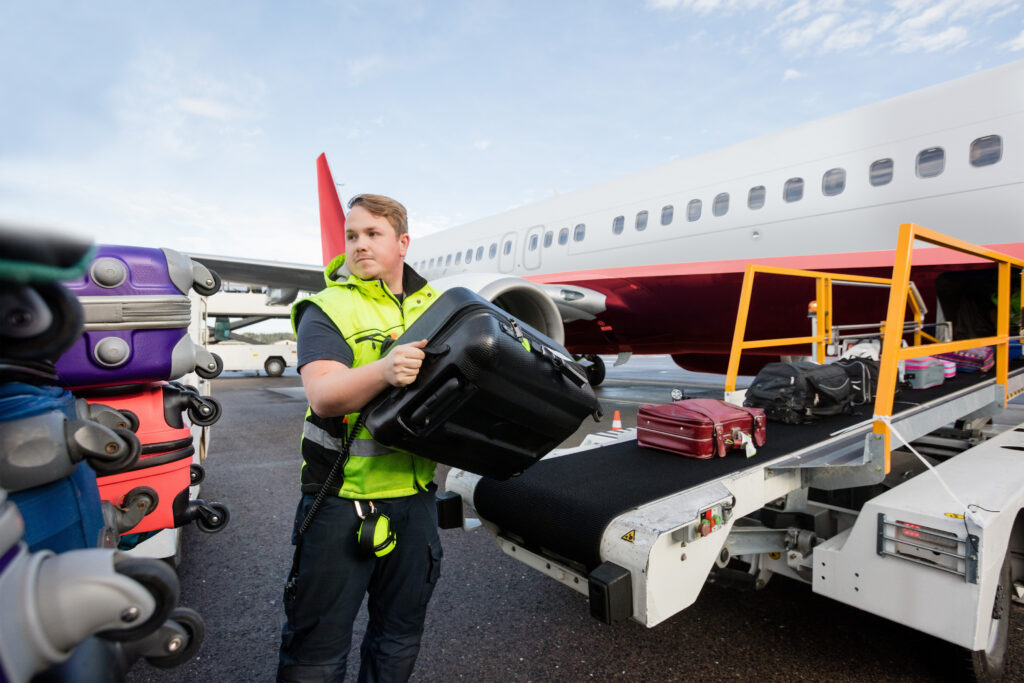
No, devices containing lithium-ion batteries should not be packed in checked luggage. Our research shows that devices that enter thermal runaway in checked baggage cannot be accessed by crew while in-flight, and fires may not be detected as quickly in the cargo hold as they would be in the cabin.
What’s the safest way to transport my devices during a flight?
Keep devices in the cabin where they can be monitored. Approximately 87% of incidents occur on aircraft, with about 60% happening near passenger seats where they can be quickly detected and addressed. Keep devices in sight and easily accessible rather than in overhead bins.
Is it safe to charge my devices during flight?
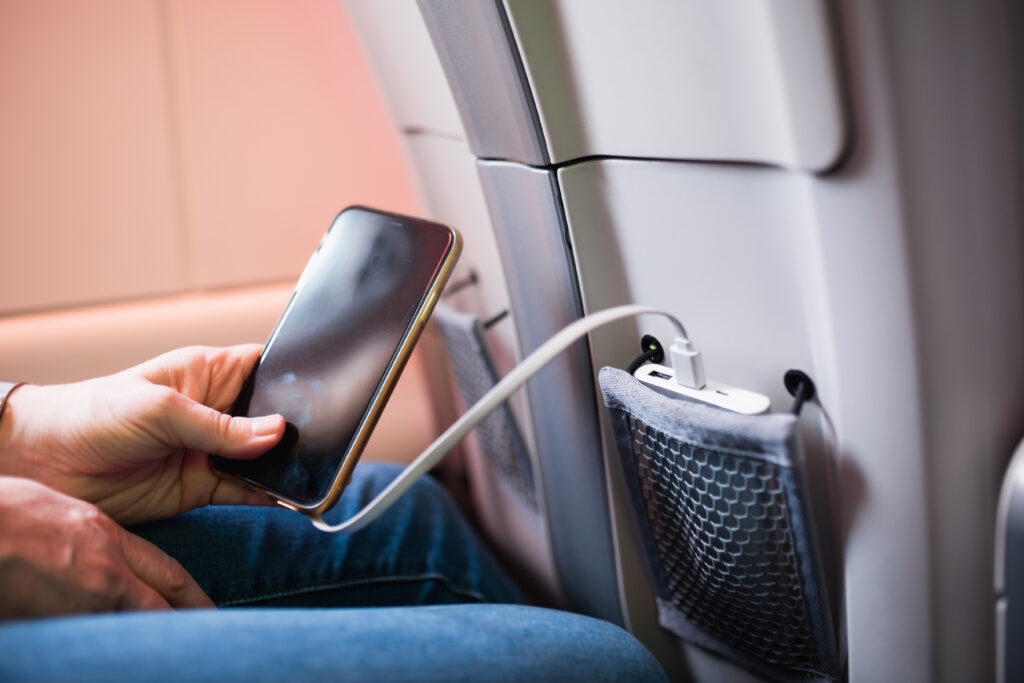
According to TRIP data, only 6% of incidents involved charging using aircraft USB or AC outlets. While charging isn’t necessarily a major risk factor, it’s still important to monitor devices while charging and use certified charging accessories.
Spotlight
Aviation Safety Standards
Safety standards have the power to save lives. Explore UL standards that help mitigate the risk of aviation safety incidents.
UL 5800: Safety for Battery Fire Containment Products
UL 5800 outlines both test methods and performance requirements for battery fire containment products that airline personnel use to safely contain portable electronic devices if they enter thermal runaway on board an airplane.
UL 5840: Electrical Systems of Battery Powered Aviation Ground Support Equipment
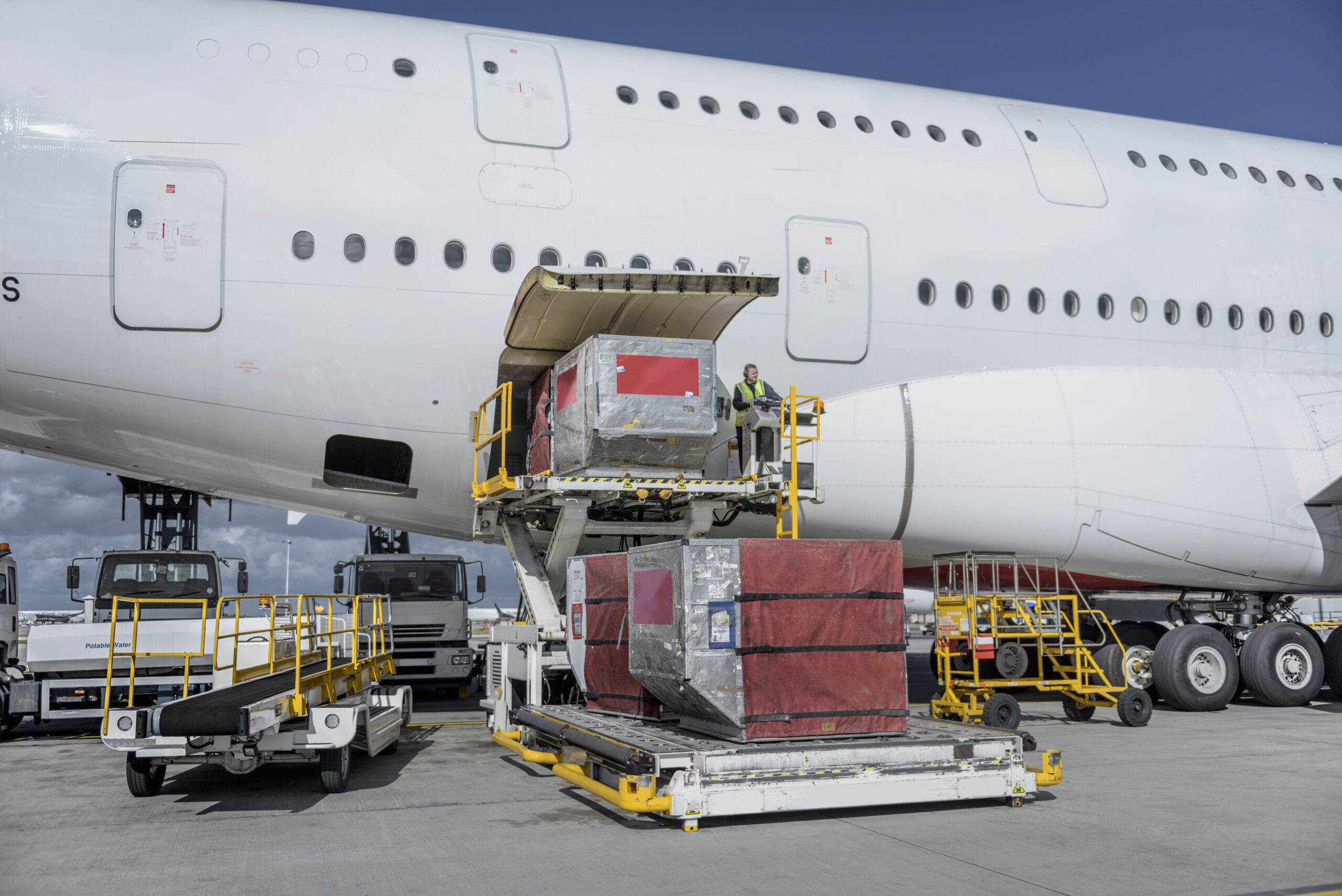
UL 5840 provides requirements that address the risk of fire, electric shock, and explosion for the electrical systems of battery-powered airport ground support equipment. In addition to covering new technology, the standard also provides requirements for electrical systems when they are used to convert fueled GSE to battery-powered GSE.
ULC 563: High-Performance and Aviation Synthetic Fluorine-Free Foam Liquid Concentrates
ULC 563 covers specifications for synthetic fluorine-free foam concentrates used primarily in aviation firefighting. The standard supports effective aviation fire suppression in the event of a major fire incident.
Our catalog includes more than 1,700 safety standards and documents that are regularly updated and added to. Click below to keep exploring how our standards are making the world safer for you.
Take Action
Safety standards help make the world safer for people like you, and you can help. Take action now to support the adoption of aviation safety standards.

Learn more about how to pack, fly, and travel safely with Li-ion battery-powered devices.

The Thermal Runaway Incident Program (TRIP) is the secure, voluntary surveillance system for aviation-related lithium-ion battery incidents. Developed with—and for—those in the aviation and cargo industries.

Explore our campaign toolkit for an inside look at goals, findings, and key messages shaping the effort to educate passengers.
Get Involved
The best standards are made possible by diverse voices and deep collaboration. Be part of the process by helping inform the next generation of standards.

Technical Committees
Each TC is a diverse group of experts representing a broad range of perspectives and interests, including consumers, manufacturers, regulators, supply chain professionals, and more.
As a TC member, you will review proposals for new or revised standards and work collaboratively to achieve consensus through balloting in our transparent process.

Stakeholders
Stakeholders can submit, review, and comment on proposals for new standards or revisions to existing standards. While these individuals cannot vote, the TC considers their input during the standards voting process. Since standards affect everyone, all are welcome to participate as stakeholders. Register online through our Collaborative Standards Development System, CSDS.