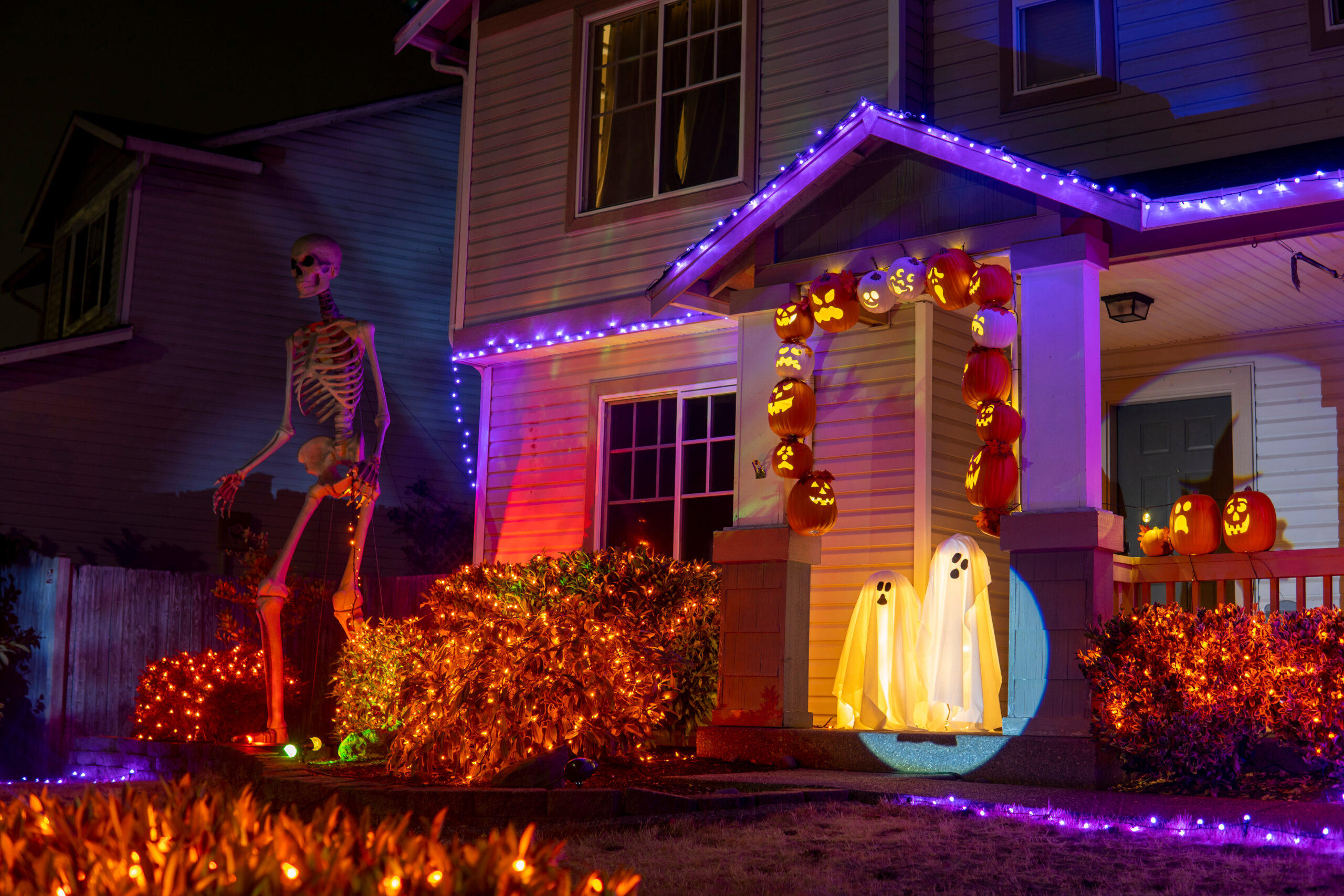
Holiday decorating isn’t just for December anymore. From elaborate Halloween displays to festive lights, Americans are embracing the season earlier than ever. In fact, the National Retail Federation projects consumers will spend $4.3 billion on Halloween decorations this year, up from approximately $2.6 billion in 2019.
As a lifelong firefighter and fire safety advocate, I see Fire Prevention Month each October as a timely reminder that safety should be part of every celebration. More decorations often mean more lights, cords, and electrical connections — and more potential fire hazards.
While the holidays bring these risks into focus, electrical and battery safety matters year-round. Follow these tips to stay safe when using corded devices and electronics:
1. Charge Safely to Help Reduce Risk. Rechargeable, lithium-ion batteries present a risk of fire from thermal runaway if damaged or malfunctioning, yet only 43% know what a lithium-ion battery is and 59% are unfamiliar with ways to reduce thermal runaway risk, according to ULSE research:
- Monitor your electronics closely for warning signs of overheating, such as battery swelling, smoke, unusual smells, or subtle sounds like hissing and popping.
- Always charge devices in a dry area within a clear view so you can be alert to signs of thermal runaway. Avoid charging items inside a closed closet or cabinet.
- Keep chargers away from flammable textiles like bedding, sofas, pillows, or cushions.
- Avoid leaving products plugged in overnight or long after they have reached a full charge, as overcharging can damage the battery.
2. Use Power Strips and Cords Safely. Power strips and extension cords are office and household staples, but as we observed in our recent survey of U.S. college students, they are frequently misused.they are frequently misused.
- Never overload power strips or use them in ways that violate manufacturer instructions.
- Major appliances — such as microwaves, refrigerators, space heaters, and electric blankets — should not be plugged into power strips, as they can draw more current than a power strip can handle, creating a fire hazard. Always plug them directly into a wall outlet.
- Never connect multiple power strips or extension cords together, as this significantly increases the risk of electrical failure and overheating.
3. Recognize Warning Signs and Maintain Fire Alarms. Proactive detection is your first line of defense. According to the National Fire Protection Association, almost three out of five home fire deaths occur in properties without working smoke alarms.
- Confirm your smoke alarms are functioning properly and meet established safety standards such as UL 217.
- Never disable smoke alarms due to nuisance alarms or chirping batteries.
- Test your smoke alarms monthly and replace batteries every six months.
- Ensure alarms are installed no less than 10 feet away from cooking appliances to minimize false alarms while maintaining optimal protection.


most commonly asked
What should I do if a device starts overheating or smoking?
If you notice a device becoming excessively hot, swelling, emitting a strange odor, or making hissing sounds, immediately unplug it from the power source if it is safe to do so. Move it away from flammable materials and allow it to cool in a non-combustible area, like a concrete patio outdoors. If a fire breaks out, evacuate and call emergency services immediately.
How should I safely store and manage my rechargeable devices?
Always store rechargeable electronics in a cool, dry, well-ventilated space away from direct sunlight, heavy moisture, and combustible materials. When not in use for extended periods, keep them unplugged and check on them periodically to ensure battery health.
Can I use standard power strips for office equipment like computers and printers?
While standard power strips can handle low-draw electronics like desk lamps, phone chargers, and computers, high-wattage equipment like laser printers, space heaters, and large multi-device charging stations should be plugged directly into wall outlets or surge protectors specifically rated for heavy loads. Always check the wattage requirements of your equipment against the rating of the power strip.
How often should power strips and extension cords be inspected?
Inspect your power strips, surge protectors, and extension cords regularly for signs of wear, such as frayed wires, cracked casing, loose plugs, or scorch marks. If any damage is found, discard and replace the cord immediately. Extension cords should also only be used as a temporary solution and should never be run under rugs, carpets, or furniture where heat can get trapped.
How can I learn more about fire safety standards?
Visit our Fire Protection page to learn about safety standards for smoke alarms, detection systems, and firefighting equipment that help make the world safer for you.