Invisible, odorless, and deadly, carbon monoxide is called the “silent killer” for good reason. While most Americans know CO is dangerous, knowledge gaps around detection, emergency response, and prevention continue to put families across the country at risk.
of U.S. adults can name at least one potential source of CO in their home.
According to ULSE research, 93% of U.S. adults can name at least one potential source of CO in their home. This awareness is a critical first step, but it’s not enough to protect families entirely. Here is what people are still getting wrong — and what they can do instead to help reduce the risk.
Myth #1: Carbon monoxide is heavier than air, so alarms should go near the floor
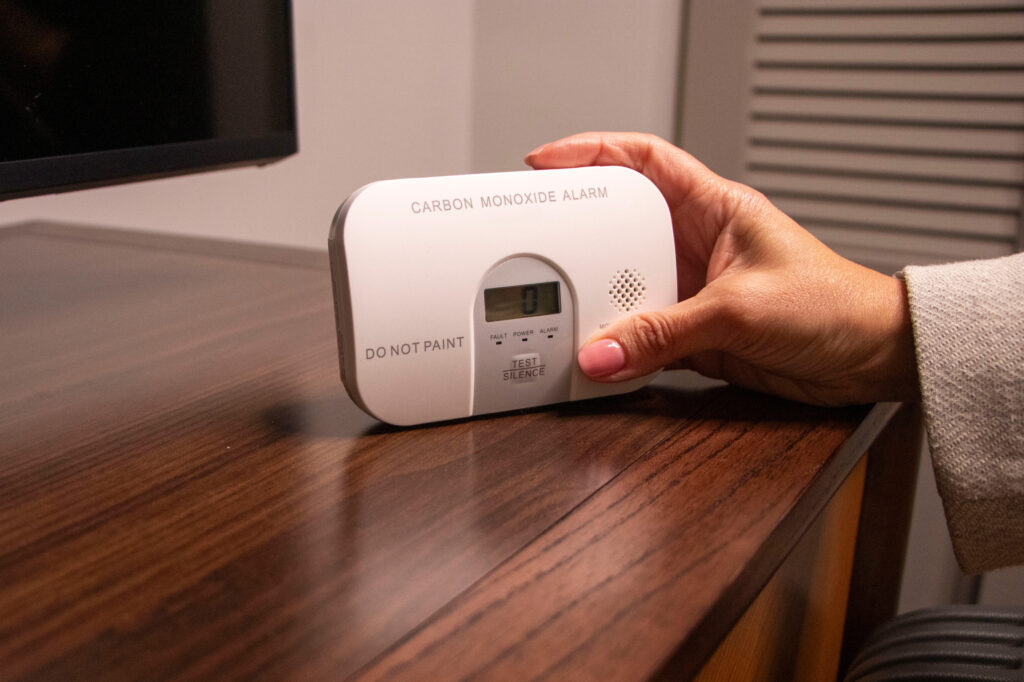
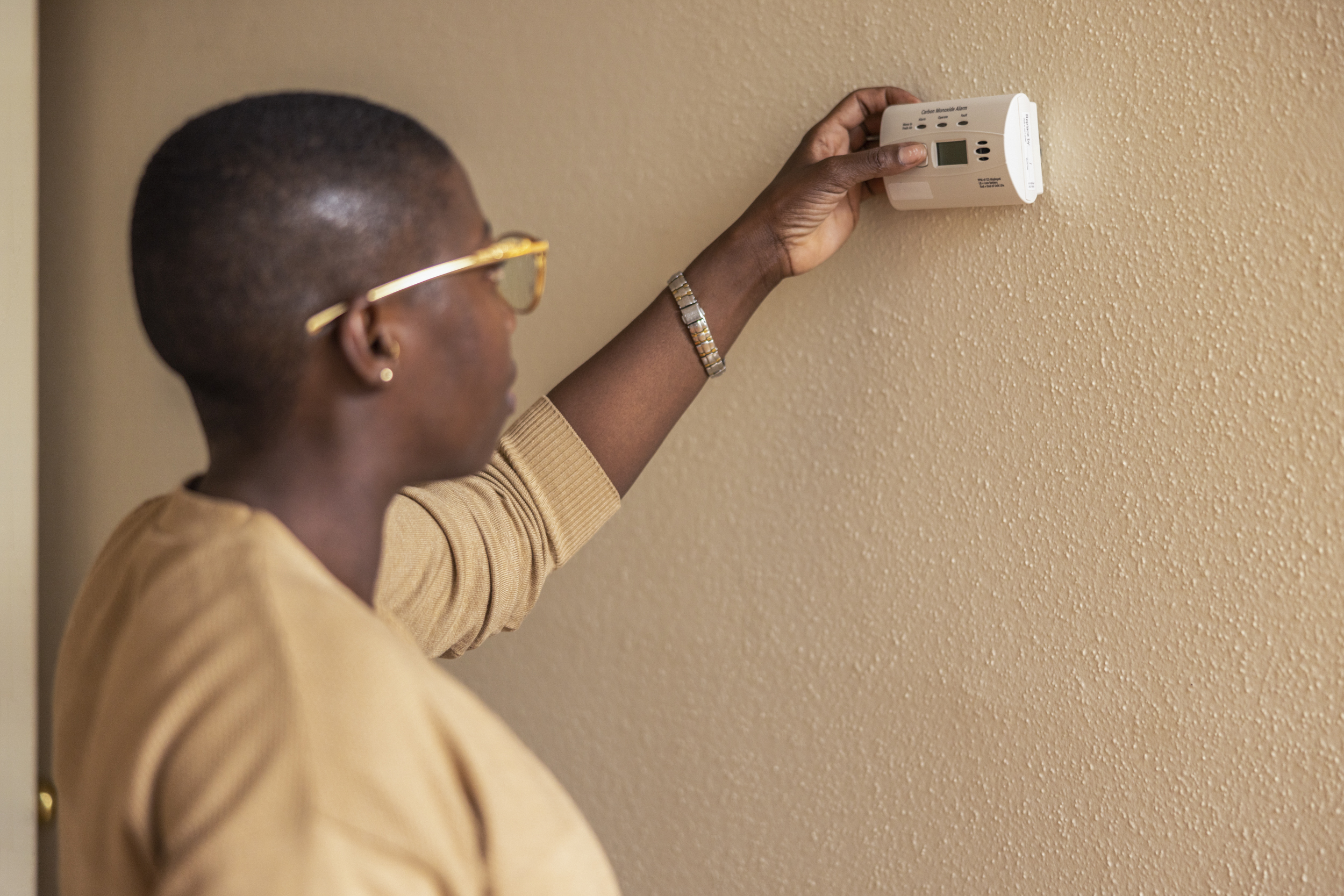
This is false. CO has roughly the same density as air and disperses throughout a room. As a result, there is no single “correct” height for alarm placement. The manufacturer’s installation instructions are the only reliable source for information on where to place a detector. But one thing is clear across all situations: every home needs a CO alarm on every level.
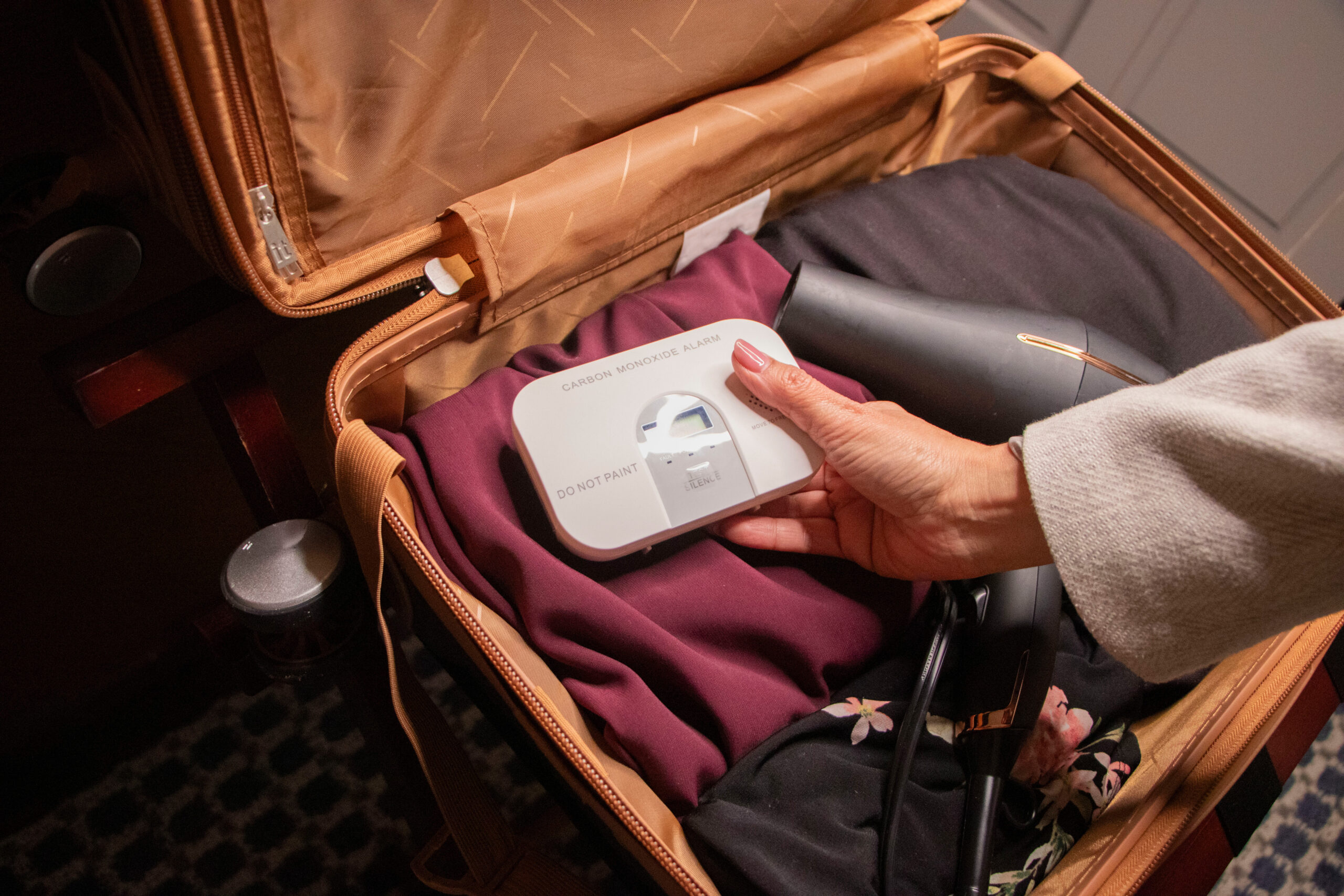
Notably, our CO alarm standard, UL 2034, was updated in 2023 to cover alarms used in mobile homes, RVs, commercial vehicles, and recreational boats with enclosed living, expanding protection to all types of homes.
Myth #2: Carbon monoxide has a smell
This is also false. Although 21% of respondents in a recent ULSE survey said they believe that CO has a smell, it is completely odorless. This is one of the most dangerous misconceptions because it leads people to assume they would notice a problem before an alarm sounds. In reality, a working CO alarm is the only reliable line of defense.
Myth #3: You don’t need to evacuate when the alarm goes off
Once again, this is false — and concerningly, ULSE research found that only 42% of people who had experienced a CO alarm actually evacuated. Others opened windows, disabled the alarm, or waited to see if it would stop.
When a carbon monoxide alarm sounds, immediate evacuation is critical. Everyone, including pets, should exit the home right away. Residents should call 911 from outside, and should not re-enter until first responders confirm it is safe to do so.
Myth #4: Carbon monoxide alarms last forever
This is false. CO alarms should be replaced every seven years, or per the manufacturer’s instructions, as the sensors tend to degrade over time. Batteries need regular checks too, as an expired or dead alarm offers no protection at all.
Myth #5: Smoke alarms and CO alarms are the same thing
This is false. These devices detect entirely different threats. More than 3 in 10 Americans do not believe they need a CO alarm if they already have smoke alarms. That misunderstanding can be fatal, as every home needs both.
The bottom line is simple: detection is prevention. CO alarms should be installed on every level of the home, they must be maintained, and residents should always evacuate immediately when they sound. Carbon monoxide is completely odorless, tasteless, and invisible, but it should never be ignored — CO alarms certified to UL 2034 provide critical detection to alert you when CO reaches life-threatening levels.
Methodology
Survey data is drawn from one wave of ULSE’s Consumer Tracker Series: a nationally representative online survey series of n=2,010 U.S. adults ages 18+, measuring awareness, attitudes, and behavior around multiple topic areas, including carbon monoxide and fire safety. The data used in this article was collected between May 20-31, 2026.