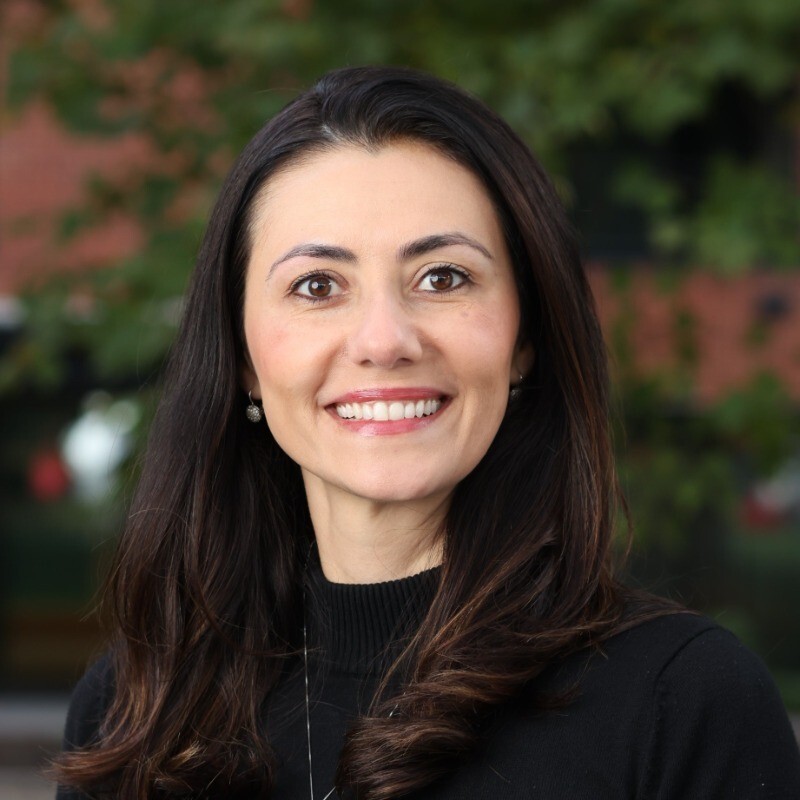
Glauci Fernandes
Senior Program Manager
Glauci Fernandes is a senior program manager at UL Standards & Engagement, where she leads strategic initiatives within the Software-Enabled Products, Autonomy & Robotics (SEPAR) Program. Her work helps shape the future of emerging technologies through standards development, stakeholder engagement, and cross-functional collaboration.
We had the chance to sit down to get to know Glauci better. Learn more about her experience and how it’s defining her approach to working for a safer world.
Q: Glauci, tell us a little about yourself and your role at UL Standards & Engagement. What does your work focus on day-to-day?
A: My work has always centered on strengthening product integrity, improving processes, and helping organizations adopt safer and more efficient ways of working. At UL Standards & Engagement, my focus is on finding the through-line between stakeholder needs and the development of standards that support safety, innovation, and global market access for emerging products.
I like to say a standard is a collaborative blueprint. It is shaped by stakeholders across the board (academia, manufacturers, government, and others) to build common expectations and requirements.
Q: What emerging technologies are you most closely watching right now, and why?
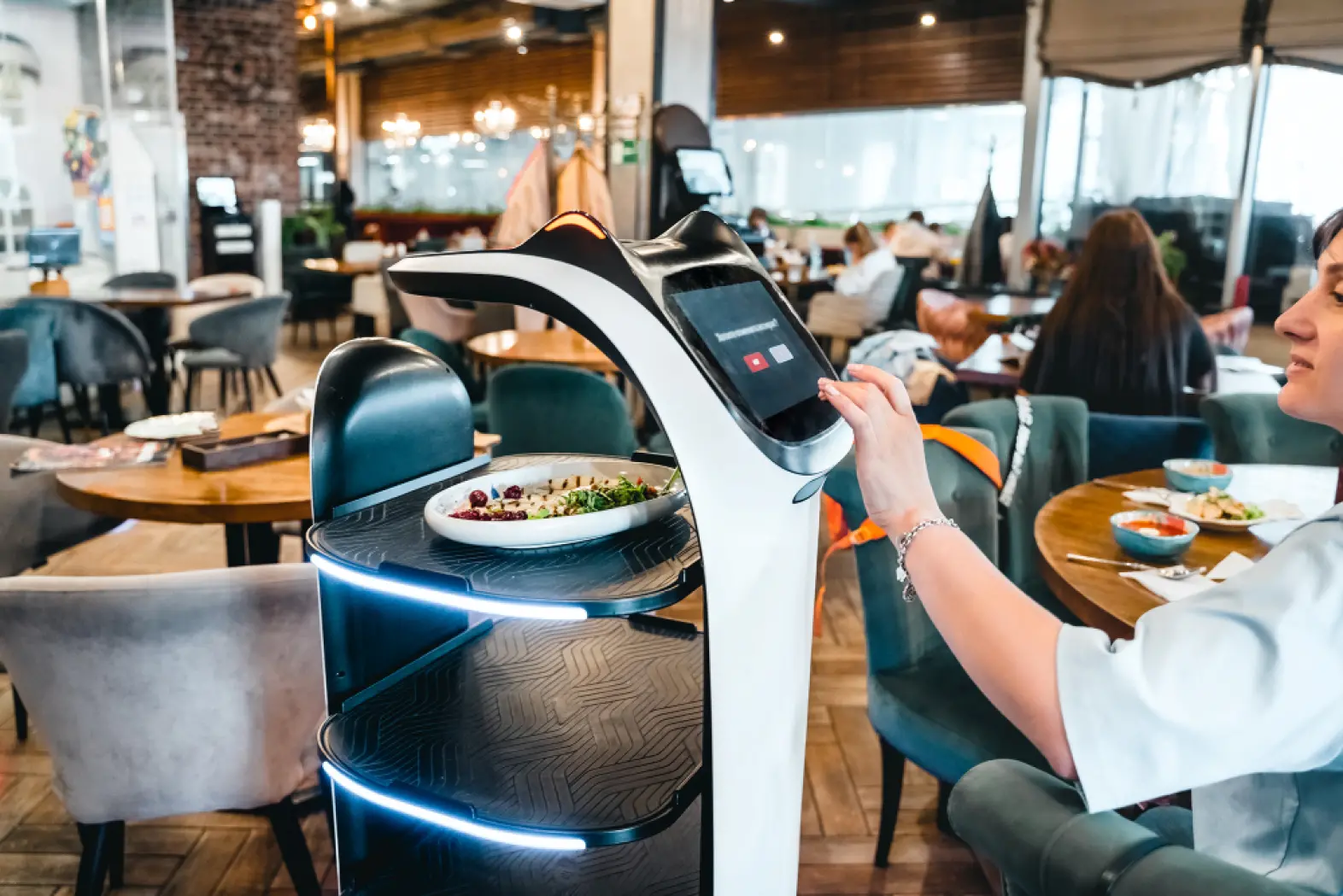
A: Robotics and AI-driven automation are two areas I’m watching very closely because they are rapidly reshaping manufacturing, quality control, and supply chain operations. Over the course of my career, I’ve seen how powerful AI can be when it is aligned with operational workflows.
Another emerging area I’m watching is quantum computing. Quantum computing uses principles of quantum physics to process information in ways traditional computers cannot. It has the potential to enable much faster problem-solving in multiple areas. That creates opportunity for standards development organizations. As technologies like quantum computing advance, there is a need to define clear guardrails and standards, so innovation can move forward safely and responsibly.
Q: What role can standards organizations play in shaping the safe development of emerging technologies?
A: Standards organizations provide the structure and guidance that allow innovation to scale safely. They help create safety frameworks for innovation today, while also laying a strong foundation for the future.
Standards also create a common language for manufacturers, regulators, consumers, and other stakeholders, which helps build trust. In fields like AI, robotics, and quantum computing, trust is critical as public confidence depends on transparency and safety.
Sometimes people worry that standards slow innovation, but I see it differently. Standards actually enable innovation by reducing uncertainty, preventing rework, and helping companies design with safety in mind from the start, rather than having to work it in after the fact.
Q: What safety considerations should companies keep in mind as they adopt automation and robotics?
“Automation can dramatically improve efficiency, but only when safety is integrated into every stage of deployment.”
A: There are several critical considerations companies need to keep in mind.
The first is human-machine interaction. Organizations need to make sure workers can safely operate around automated systems and understand how to interact with them.
The second is data integrity and cybersecurity, especially for connected robots and AI-driven systems. As systems become more connected, companies need to think not only about physical safety, but also about how to prioritize data and software safety to enable those systems to operate.
Lastly is lifecycle risk assessment. Companies need to consider risks from installation to maintenance to end-of-life, not just at the moment a technology is deployed.
Training and change management are also critical. A system may seem user-friendly or intuitive, but training is still required. Innovation is moving quickly, and organizations need to make sure their teams can keep up with new technologies, understand how to use them securely, and receive ongoing support.
Automation can dramatically improve efficiency, but only when safety is integrated into every stage of deployment.
Q: What is one safety tip that most people don’t know but need to?
A: Never assume a product is safe simply because it is familiar or widely available. Consumers should always check proper use instructions and inspect a product for signs of damage, especially when it’s a children’s product or anything with electrical or mechanical components. I know reading an instruction manual can feel boring, but just five minutes of reading can help prevent serious safety issues.
My tip is simple: check the instructions, read the warnings, and don’t assume it’s safe just because you recognize it.
With more than two decades of experience driving innovation, operational excellence, and product safety across global organizations, Glauci brings a broad perspective to the safe development and adoption of new technologies. Her expertise spans quality assurance, regulatory compliance, manufacturing operations, product lifecycle management, continuous improvement, and digital transformation.
Before joining UL Standards & Engagement, Glauci held leadership roles at Mattel, UL Solutions, and The Walt Disney Company, where she managed product integrity and safety requirements. Across her career, she has worked with Fortune 500 companies and global regulatory bodies to develop customer-centric solutions, improve processes, and navigate complex regulatory landscapes.
Glauci holds a Bachelor of Science in Mechanical Engineering with an emphasis in the automotive industry from Centro Universitário da FEI, a Certificate in Business Administration from INSPER, and has completed Executive Education at Harvard Business School.

Hear From Our Experts
“Standards create a common language for manufacturers, regulators, consumers, and other stakeholders, which helps build trust. In fields like AI, robotics, and quantum computing, trust is critical as public confidence depends on transparency and safety.”
Glauci Fernandes
Senior Program Manager