AT A GLANCE
- UL Standards & Engagement and the Urban Land Institute brought industry stakeholders together at Gallaudet University to explore safer, practical adoption of battery energy storage systems.
Onsite energy storage systems are gaining relevance as organizations work to strengthen sustainability, resilience, and energy reliability, but the value of these systems depends on understanding where they fit, how they work in practice, and what it takes to move projects forward.
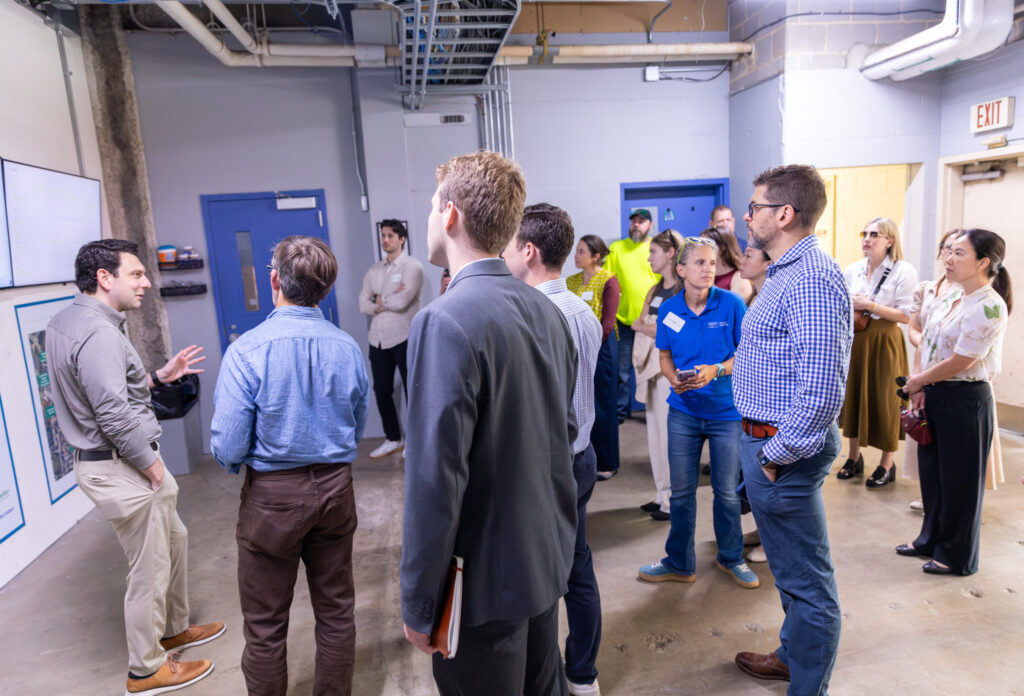
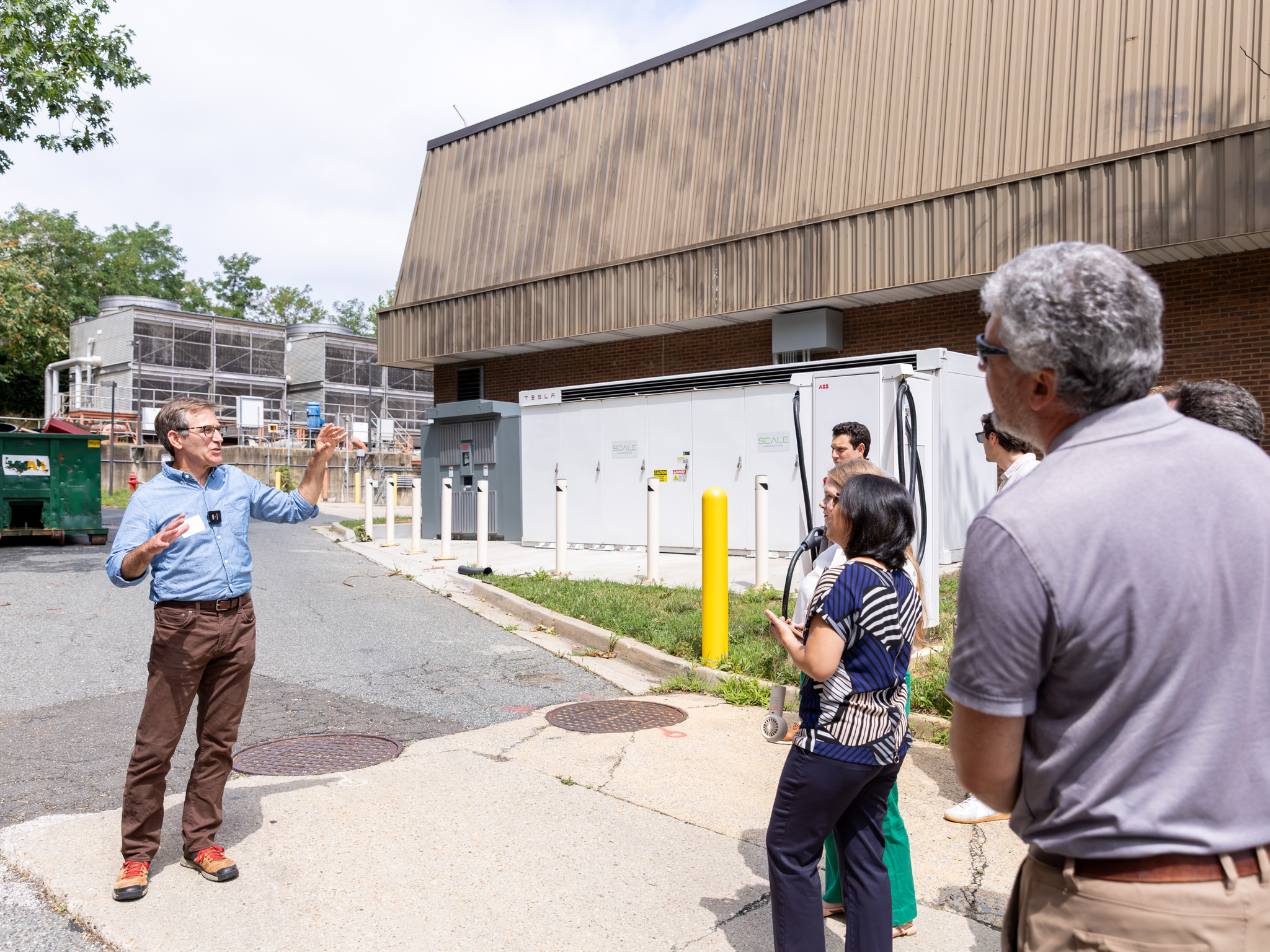
On July 8, UL Standards & Engagement and the Urban Land Institute convened professionals across commercial real estate, sustainability, planning, finance, energy, and policy, along with other industry stakeholders, at Gallaudet University for a focused discussion on safer, practical adoption. The conversation extended beyond the meeting room, as participants also toured the university’s battery energy storage system, which is part of its campus microgrid.
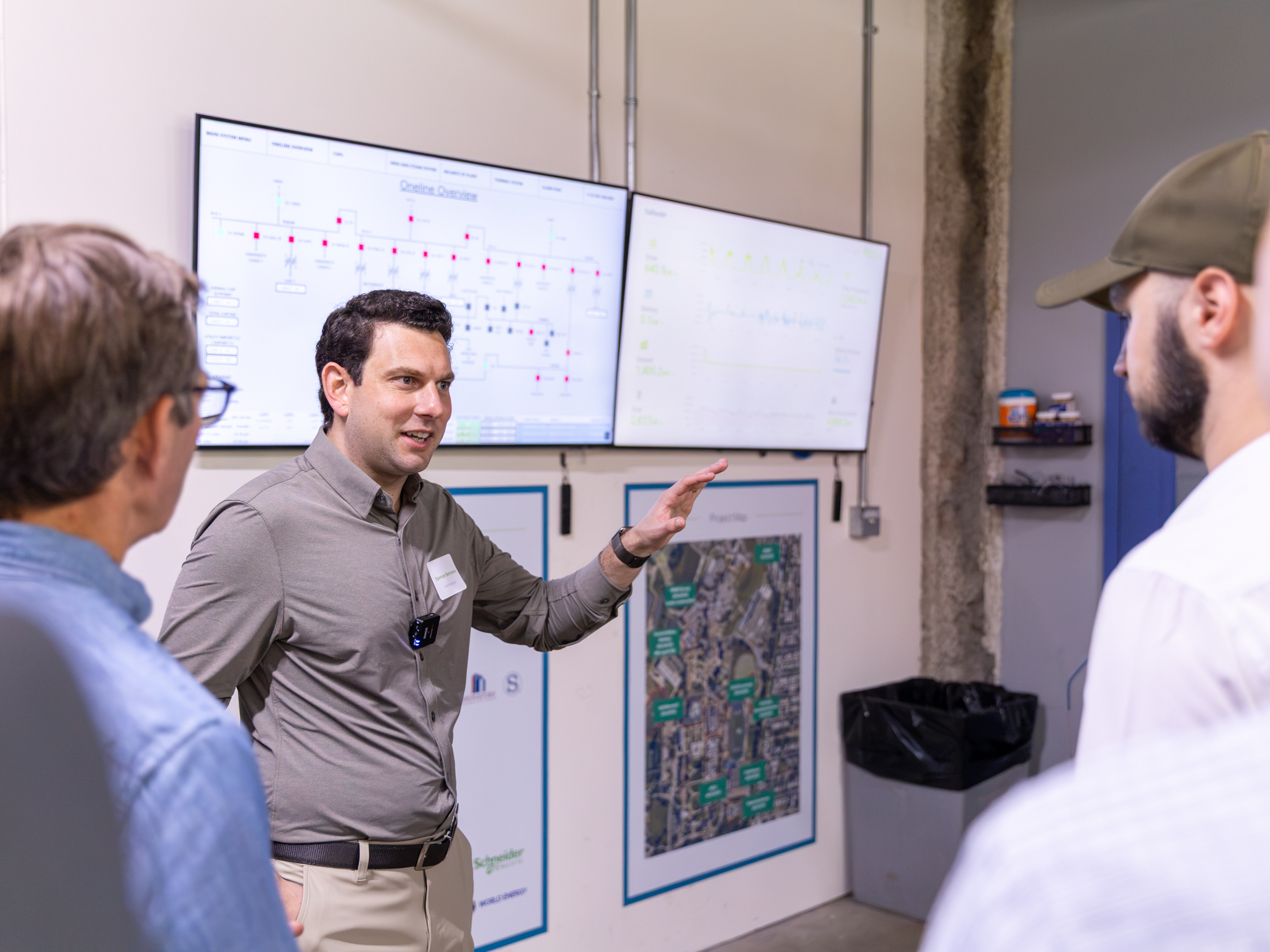
The convening was part of a broader ULSE-ULI research effort examining how on-site energy storage is being considered and adopted in commercial buildings. Communicating directly with people involved in decision-making, project planning, technology deployment, and implementation helped ground the research in the practical questions and tradeoffs shaping adoption today.
Participants explored barriers to implementation, strategies for addressing them, stakeholder roles, and the potential benefits of energy storage. The range of roles, industries, and organizations represented allowed the group to compare experiences, hear new perspectives, and identify practical considerations shaping adoption.
Insights from the year-long qualitative study incorporating stakeholder focus groups and interviews will inform a final white paper and knowledge-sharing resources scheduled for release later this fall.