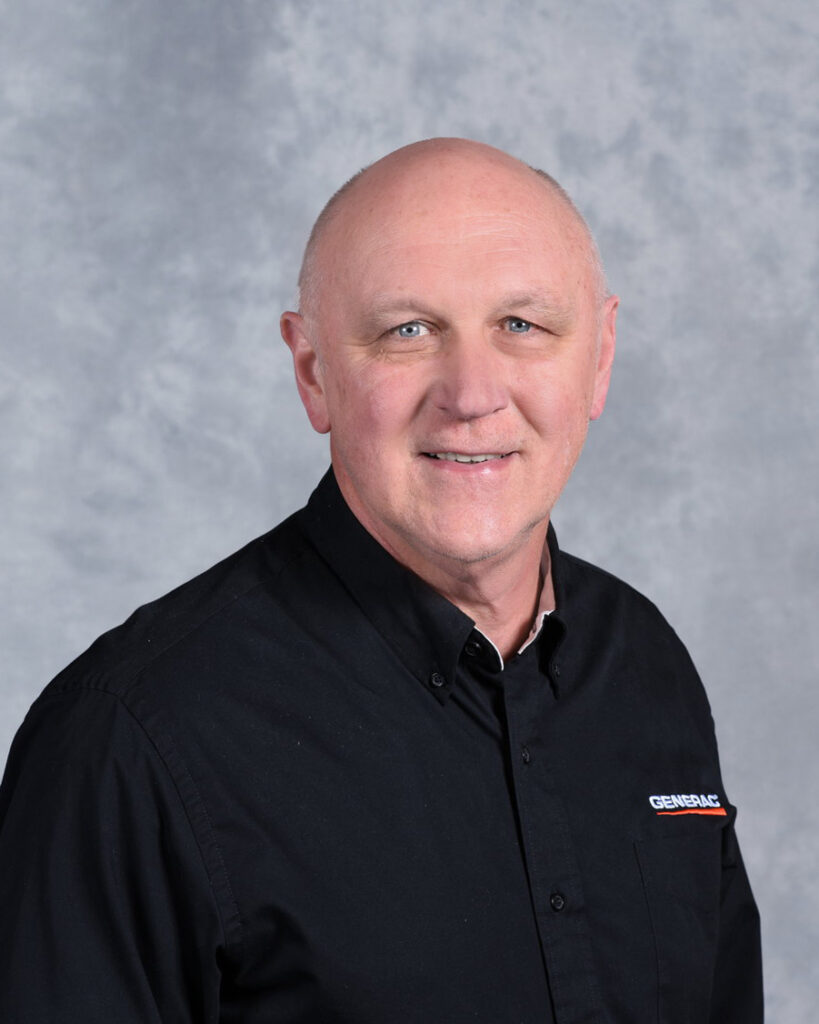
For more than 40 years, Jeffrey Jonas has worked as an electrical engineer in product development, testing, and compliance for Generac Power Systems. And for almost 30 of those years, Jonas has also helped to guide the safety of his industry as a technical committee member with UL Standards & Engagement.
In 1998, as ULSE (known then as Underwriters Laboratories) began the process of creating a safety standard for stationary engine generator assemblies, Jonas decided to join the committee and share his expertise, as the standard would apply to products manufactured by Generac. The standard, UL 2200, covers large generators that provide backup or primary power for buildings, and helps ensure these systems are built safely, operate reliably, and don’t create unnecessary risks like fires, electrical shocks, fuel leaks, or mechanical failures.
These systems, which are critical to human health and safety in buildings like hospitals, data centers, offices, manufacturing facilities, and high-rise apartments and condos, provide power when the main electrical supply is unavailable. Standards for these systems, Jonas says, helps ensure a basic safety level.
“Compliance to the requirements in a standard will lead to a better and safer product for the customer and user,” Jonas says.
In addition to serving on the TC for UL 2200, Jonas also participates on the committees for UL 2200A, Fire Containment Testing of Stationary Engine Generator Assembly Enclosures; UL 2201, Carbon Monoxide (CO) Emission Rate of Portable Generators; UL/ULC 6200, Controllers for Use in Power Production; NFPA 37, stationary combustion engines and gas turbines; and NFPA 70, the National Electrical Code; and is also chairperson for the Electrical Generating Systems Association Codes and Standard Committee and the UL/ULC 2200 Sub-committee.
“Participation on a TC offers the following benefits to me, my employer, and the industry; a chance to meet and work with like-minded professionals in the same industry, insight into what requirements are being proposed and discussed for the standard, and insight into the reasons for a requirement,” Jonas says.
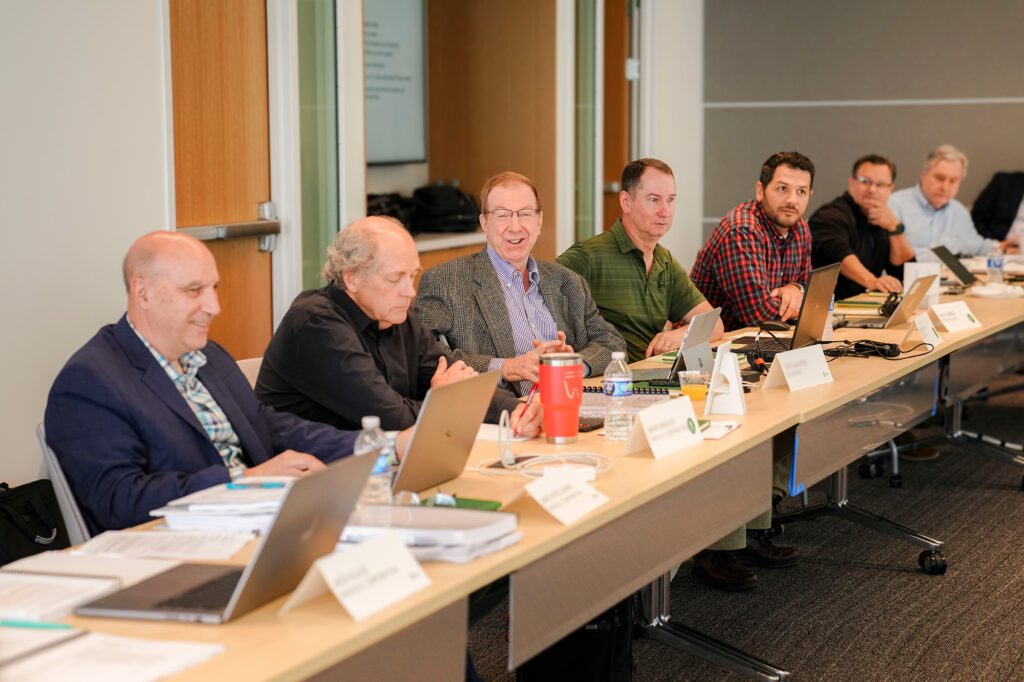
Through his involvement in standards development, Jonas says he’s come to see how important collaboration and productive discussion are to the safety of both products, and industry.
“My long-term involvement with the standards development process has shown me the value of interactive meetings to discuss and work out issues.”
“My goals for the development of standards is to share my product knowledge, my knowledge of product testing and engineering expertise for the greater good of the industry,” Jonas adds.
Jeff Jonas is a Senior Staff Engineer-Global Product Compliance at Generac Power Systems. An electrical engineer with a concentration in electrical power, Jeff has worked at Generac for more than 40 years in various roles of product development, testing, and currently in compliance. Jeff serves on the technical committees for several codes and standards, including UL/ULC 2200, UL 2200A, UL 2201, UL/ULC 6200, NFPA 37, and NFPA 70 (National Electrical Code), and is knowledgeable in several other standards relative to the industry. He is also chairperson for the EGSA Codes and Standard Committee and the UL/ULC 2200 sub-committee.
We at ULSE thank Jeff for his many years of dedication to our standards development process and our mission of working for a safer world.
Get Involved
If you are interested in joining the standards development process for ULSE standards, there are several ways to participate:
- Apply for TC membership: TC membership is contingent upon participation, as active member participation is critical to helping maintain a balance of interests and advance the standards development process. Learn more about our TCs.
- Subscribe and follow a standard: Subscribe to receive up-to-date information on new standards projects, standards for public review, recently published standards and more. You can elect to receive activity notifications and get involved without being a member.
- Propose changes to a standard: Submit a proposal or request to attend a meeting.