En un coup d'œil
- UL Standards & Engagement interviewed U.S. consumers to find out what they know about smoke alarms and carbon monoxide alarms.
- Read on to find out why every home needs both alarms for complete protection.
Your standard smoke alarm is not a carbon monoxide alarm, and that’s an important thing to know.
of participants said they were not confident in their ability to tell the difference between a smoke alarm and a CO alarm.
In a recent ULSE Insights survey, we asked U.S. consumers if they could tell the difference between a smoke alarm and a CO alarm. Although 75% of U.S. respondents said they could confidently differentiate between the two, 25% admitted they were not confident in their ability to tell the difference.
Further, more than one-third (34%) admitted to not owning a CO alarm, with 24% of this group saying it’s not a priority. Despite the average household containing three fuel-burning appliances, 15% of those without a CO alarm said they do not think CO is a risk in their home, and 27% of all U.S. adults incorrectly said they believe that CO has a smell that can help in the event of a CO leak.
Misconceptions and knowledge gaps like these can unfortunately have devastating consequences. More than 400 Americans die each year from unintentional, non-fire related CO poisoning, according to the U.S. Center for Disease Control. Additionally, more than 100,000 visit emergency departments, and more than 14,000 are hospitalized.
Having both smoke alarms and CO alarms that are up-to-date and certified to safety standards is vital to helping protect you and your loved ones from tragedy. In the event of a fire, a smoke alarm is designed to alert you as soon as early signs are detected, and in the event of a carbon monoxide leak, a CO alarm is the only thing that can alert you to the presence of this odorless, invisible, and deadly gas.
How to Tell the Difference
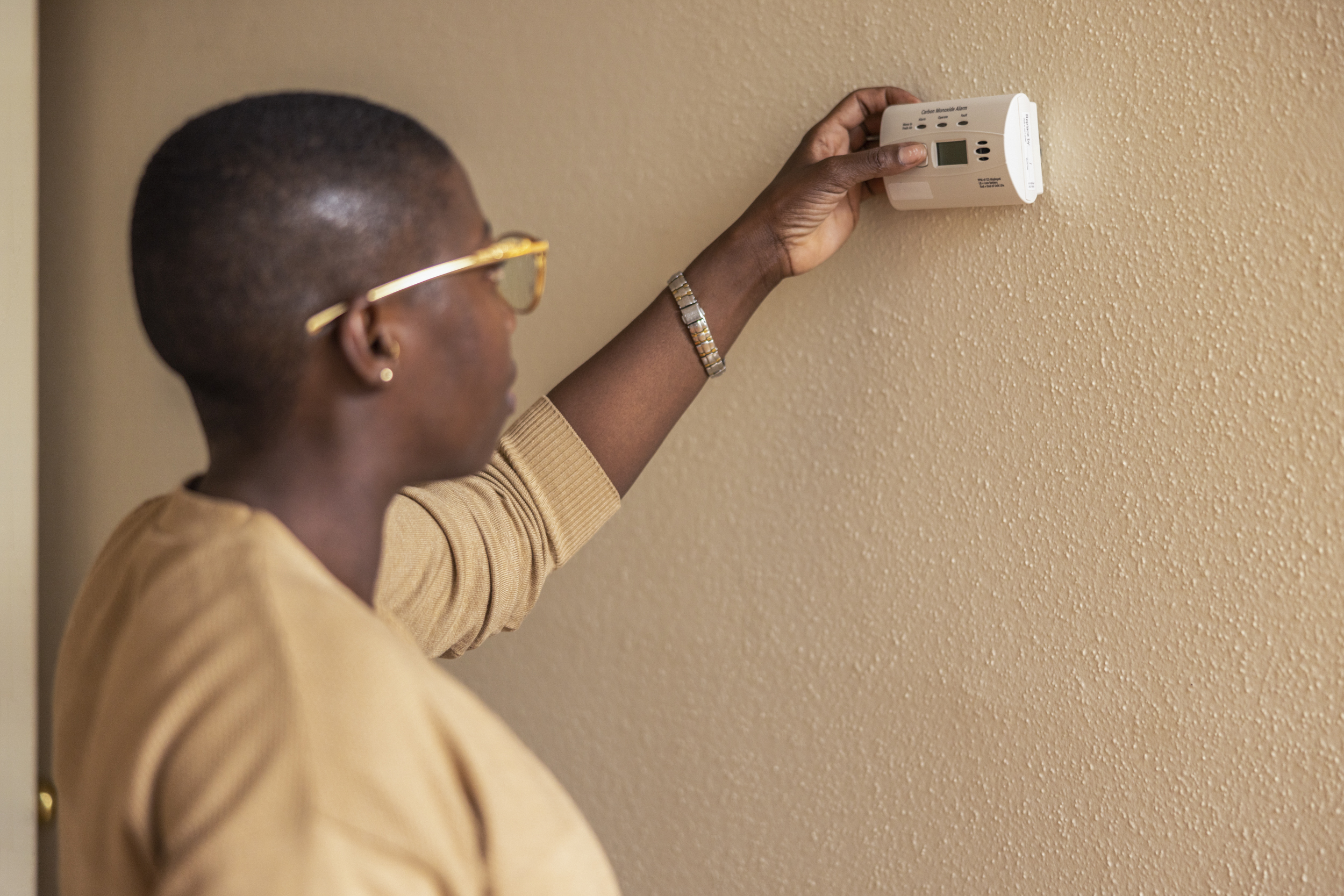
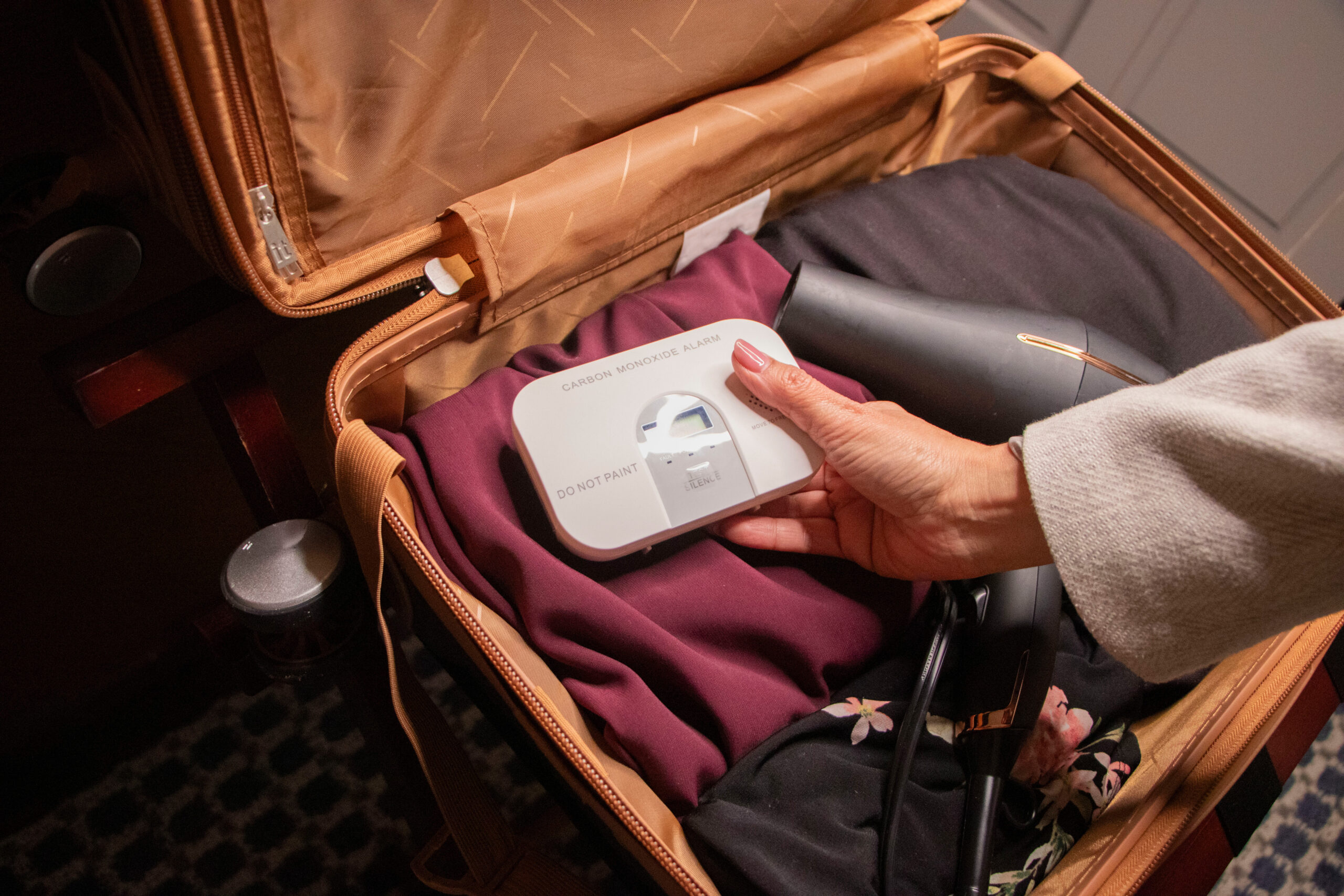
- For your existing alarms, check markings. ULSE safety standards require permanent markings on smoke and carbon monoxide alarms. CO alarms certified to UL 2034 are identified as carbon monoxide alarms on the face of the unit, while smoke alarms certified to UL 217 may include required markings on the outside surface, back/base label, or behind a cover that can be opened without a tool.
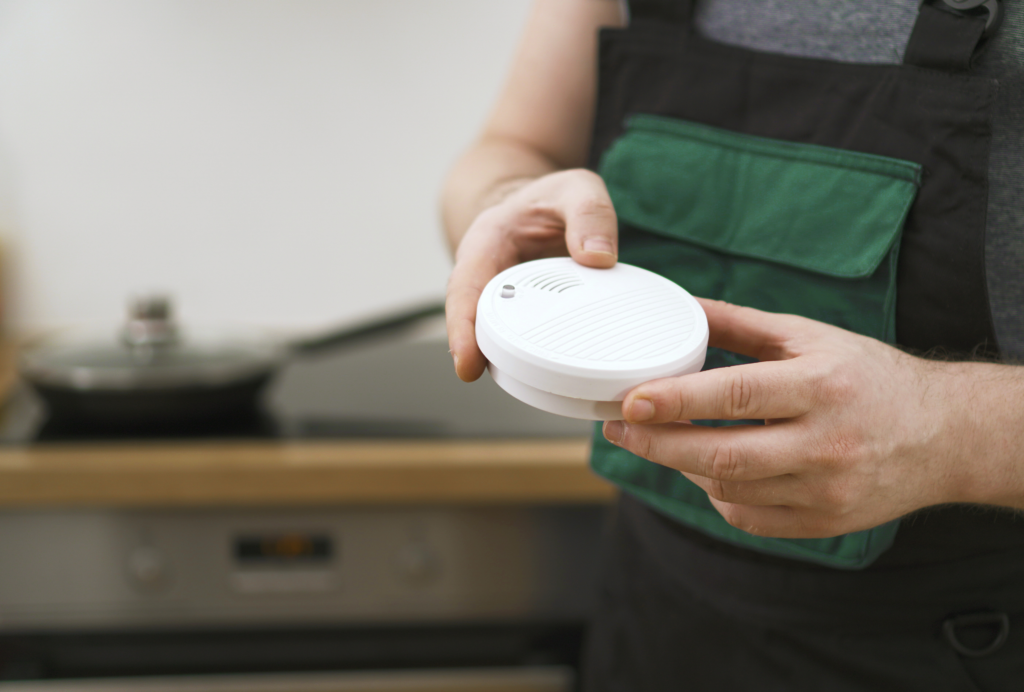
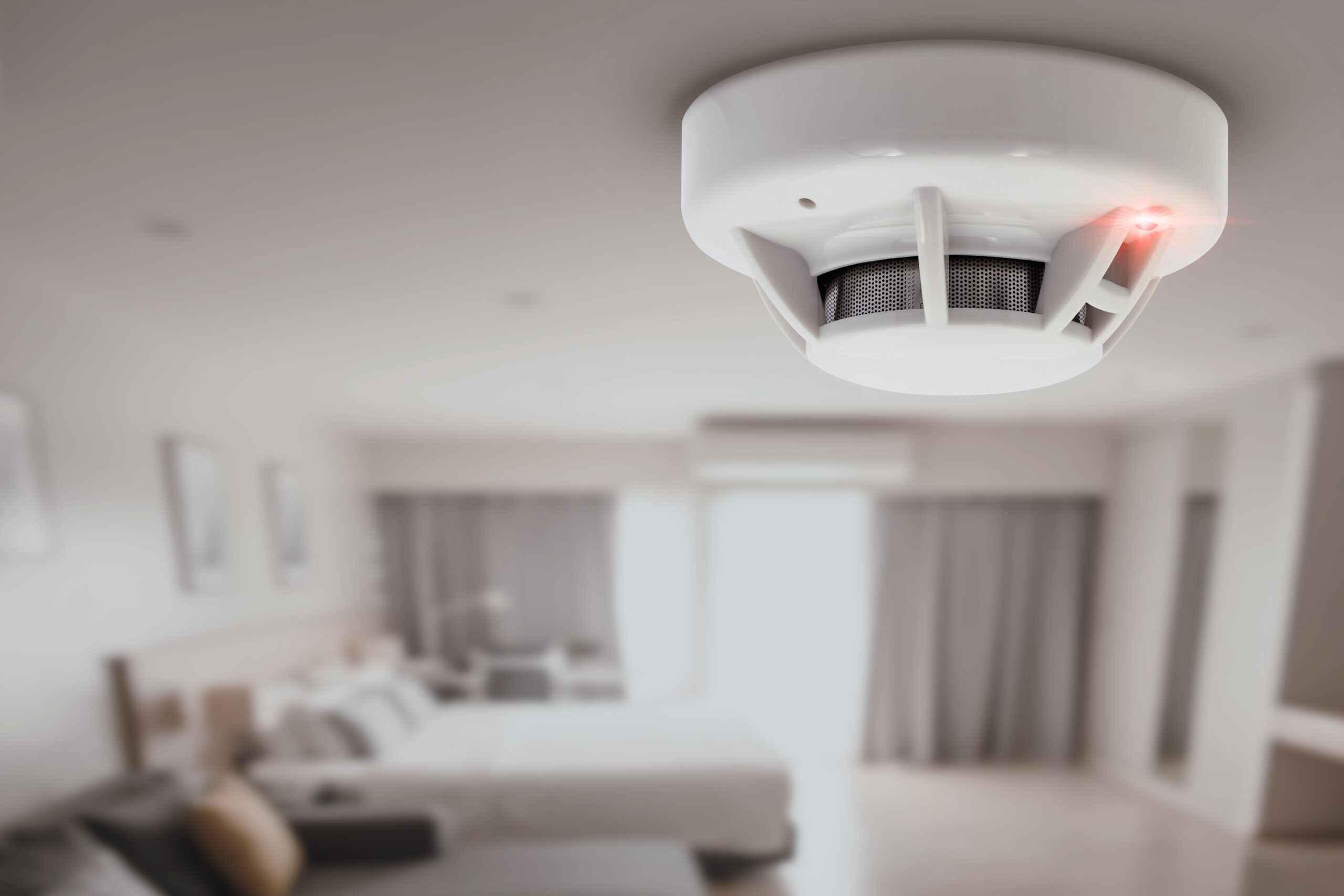
- Do not rely on shape alone. CO alarms are sometimes rectangular and smoke alarms are often round, but shapes vary by manufacturer and model. Always confirm by reading the unit’s marking.
- Listen for the alarm pattern. Smoke alarms typically use a three-beep pattern, while CO alarms use a four-beep pattern. If an alarm sounds, immediately evacuate your home and dial 911.
If You Don’t Have Them, Get Them
- Make sure you’re covered throughout your home. Install a smoke alarm and CO alarm on every floor of your home, outside sleeping areas, and inside bedrooms. If purchasing new alarms, consider combination smoke/CO alarms that detect and alert you to both.
- Testing. You should be regularly testing, replacing batteries, and replacing alarms every six months as part of your regular home maintenance routine. For models with replaceable batteries, replace low batteries when the alarm is chirping, or dead batteries if the alarm does nothing when testing.
- Replace expired alarms. Smoke alarms should be replaced every 10 years, and most carbon monoxide alarms should be replaced every 5 to 7 years. However, some combination smoke/CO alarms can last up to 10 years. It’s essential to check the manufacturer’s guidelines for your specific model.
- In our survey, 7% of respondents had a CO alarm older than 7 years, and 9% didn’t know how old their CO alarm was; 11% had a smoke alarm older than 10 years, and another 11% didn’t know how old their smoke alarm was.
Many survey respondents (56%) also said clearer, larger labeling would make it easier to tell the difference, while 40% said different colors would make it easier, and 36% said distinct shapes for each type of alarm would make identification easier. Considerations like these are often evaluated by our technical committees, which are comprised of expert volunteers (including product manufacturers, researchers, regulators, supply chain professionals, consumers, and more). If you would like to submit a proposal for a revision to a ULSE standard, click here to find out more about participating in our standards development process.
Méthodologie: Findings are drawn from an online survey from UL Standards & Engagement of n=2,010 U.S. adults which was conducted online from May 20-31, 2026. The data were weighted to reflect the demographic composition of the U.S. adult population. The margin of error for the full sample was +/-2.2% at the 95% confidence level.