
Safely Powered Homes
Electricity powers nearly every aspect of a modern home. Learn how electrical safety standards help keep you safer.
What is the Risk to You?
Electrical products and systems can pose significant risks, including electrical shock, fire, arc flash, and RF exposure. Safety standards help electrical products transmit or insulate currents to reduce the risk of such hazards.
By the Numbers
Hover over each stat below to learn about the impact standards can have in helping to prevent tragedy.
Keep reading to explore examples of the power of prevention from people just like you.
Standards in Action
A safety standard is like an instruction manual put together by experts to guide the testing of products, services, and systems to make them safer for you.
Standards for devices like electrical outlets and power strips help electrical devices power your home safely so that you can prevent hazards such as electrocution or electrical fires.
ULSE-BPS Conference 2024: Lights and Lanterns: Shining Safely to the World
Traditional craftspeople in the Philippines have spent generations creating parols — stunning electric lanterns that illuminate the holiday season. How can safety standards preserve this beautiful display of culture while improving safety?
Learn how a landmark conference in San Fernando City brought lantern makers, safety experts, and city officials worldwide together to enhance the safety of these celebrations.

Safely Powered Homes Resources
We are committed to improving your home’s electrical safety — and it starts with education. Explore these resources to equip yourself with the knowledge you need to live safely in your home.
-
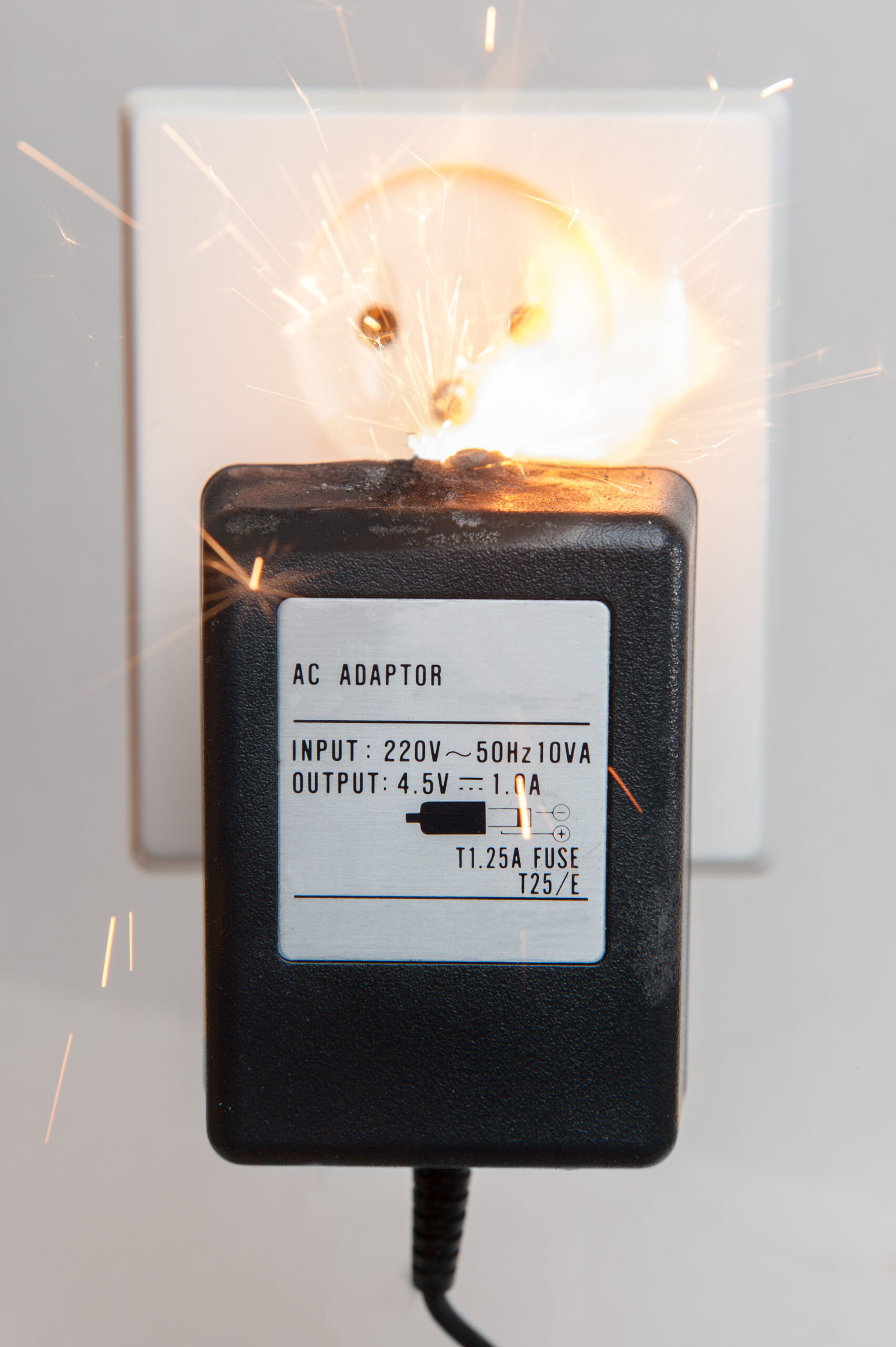
What Is a Dielectric Voltage-Withstand Test?
Find out why the Dielectric Voltage-Withstand Test is essential for ensuring the safety and reliability of electrical equipment.
-
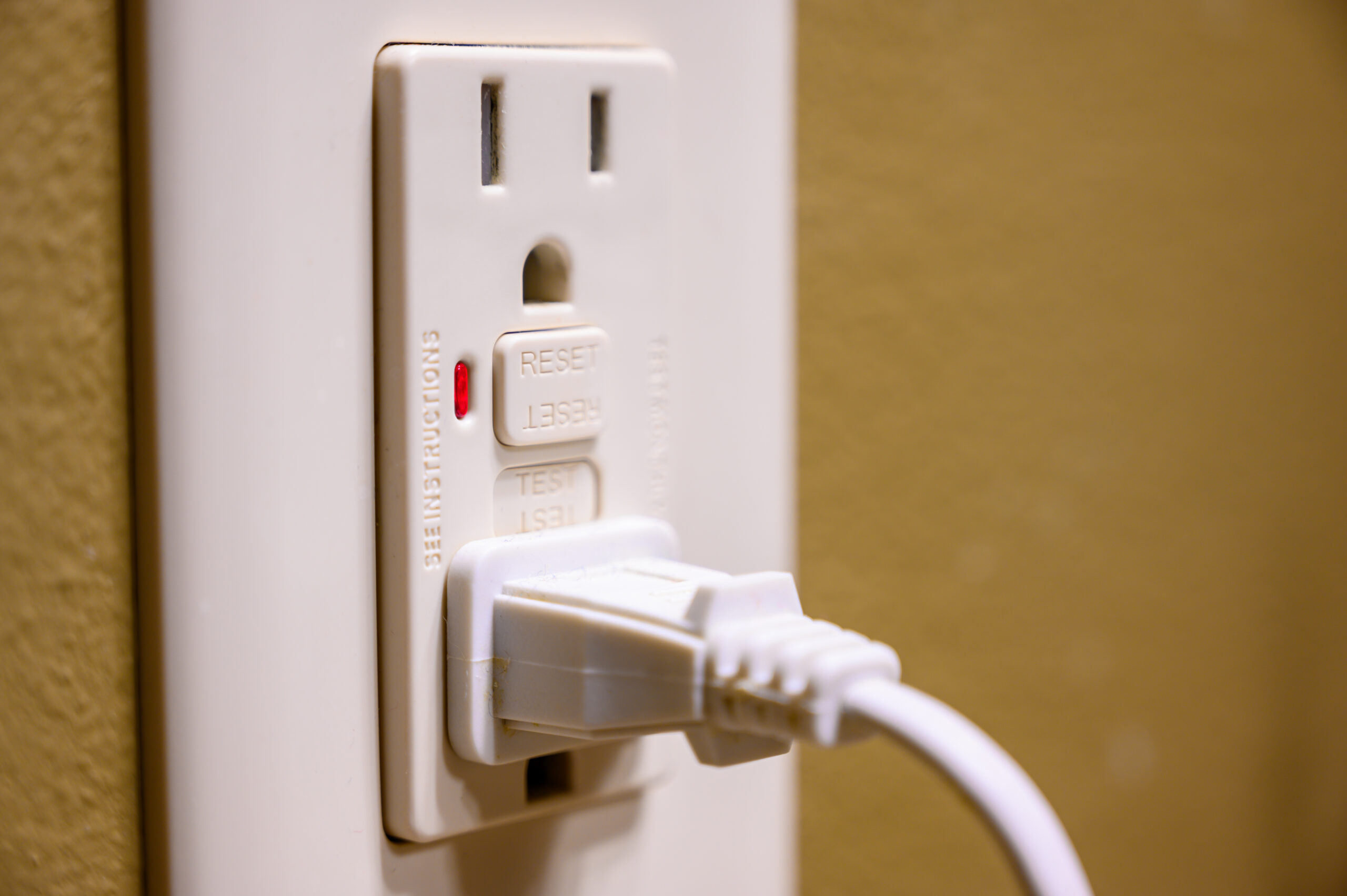
Helping Prevent Electrical Incidents With Standards for GFCI Outlets
Learn how standards for GFCI outlets enhance safety by detecting ground faults and preventing potential electrical shocks.
Frequently Asked Questions
Education can be one of our greatest assets in preventing electrical safety incidents. Continue reading to get answers to common questions about electrical safety and learn how to mitigate your risk.

most commonly asked
What is a GFCI outlet and where should I have them in my home?
Ground-fault circuit-interrupter outlets protect against electrical shock with special circuitry that monitors electrical current. If a GFCI outlet detects a ground fault — electricity taking an unintended path — it cuts power within milliseconds to prevent shock. Regular outlets don’t have this protection.
When they comply with our standard, UL 943, GFCI outlets meet strict safety requirements.
The National Electric Code requires them in bathrooms, kitchen countertops, outdoors, and within six feet of any sink, bathtub, or shower. They quickly cut power when detecting a ground fault that could cause electrocution.
How do I know if my GFCI outlet is working properly?
Test GFCI outlets using the “TEST” button. When pressed, it should cut power to the outlet. Press “RESET” to restore power. If it doesn’t work this way, the outlet needs replacement. Look for signs of damage or discoloration.
What causes electrical fires in homes?
Home electrical fires average 46,700 incidents annually, causing 390 deaths, 1,330 injuries, and $1.5 billion in damage.
Common causes of electrical fires in homes include overloaded circuits, arcing or overheating of energized equipment, faulty electrical connections, and proximity of electrical equipment to flammable materials
What is a dielectric voltage-withstand test?
A dielectric voltage-withstand test exposes electrical products to exceptionally high voltage to verify that insulation won’t fail. When insulation passes this test, it proves it can resist becoming conductive even under extreme conditions. The test is often combined with rain exposure or grease conditioning to simulate real-world hazards. This helps prevent two dangerous scenarios: arcing, where electricity jumps through air to shock users, and direct contact shock, where compromised insulation becomes conductive and allows current to flow into someone touching it. Many UL standards require this test as a critical safety measure so electrical products maintain proper insulation under stress.
Are broken charging cables dangerous?
Yes. Damaged cables can cause overheating and fire hazards. This risk is increased with modern devices using lithium-ion batteries, which can enter thermal runaway if damaged by charging issues. Always use cables that meet safety standards and replace them if damaged.
Spotlight
Electrical Safety Standards
Safety standards have the power to save lives. Explore UL standards that improve electrical safety in your home.
UL 514D: The Standard for Cover Plates for Flush-Mounted Wiring Devices
This standard applies to metallic and nonmetallic cover plates and associated gaskets for flush-mounted outdoor outlets.
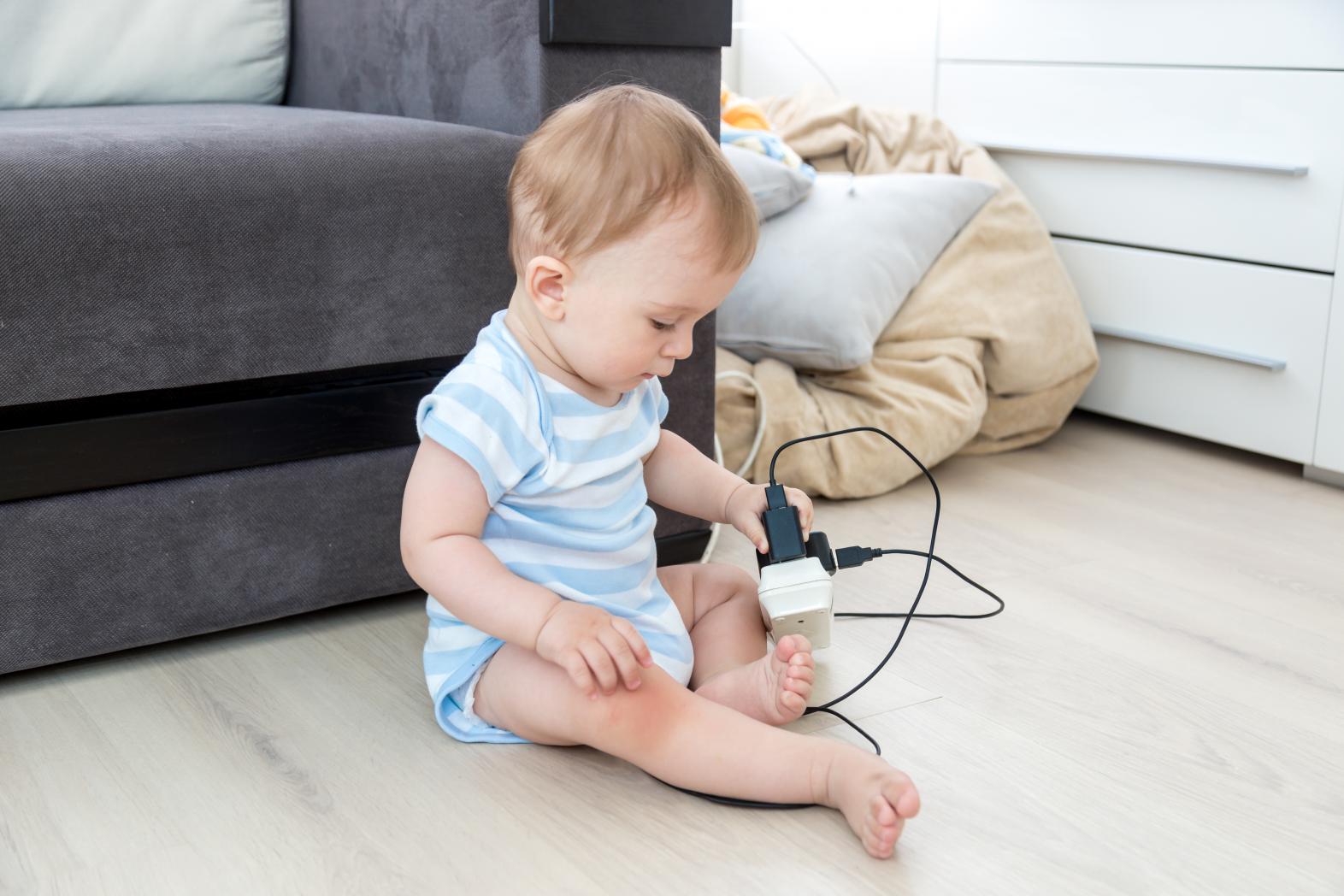
UL 1363: The Standard for Relocatable Power Taps
UL 1363’s requirements include that enclosures be formed and assembled to have the strength and rigidity to resist everyday use without resulting in the risk of fire, electric shock, or injury to persons. To comply with the standard, a unit must be able to withstand impact tests without opening in any way that makes live parts accessible.
UL 943: The Standard for Ground Fault Circuit Interrupters
UL 943 includes requirements for the function, construction, performance, and markings of Class A GFCI devices, which are common in households. Our requirements help GFCI devices trip quickly during a ground fault, helping prevent an electrical incident.
Our catalog includes more than 1,700 safety standards and documents that are regularly updated and added to. Explore how our standards are making the world safer for you.
Get Involved
The best standards are made possible by diverse voices and deep collaboration. Be part of the process by helping inform the next generation of standards.

Technical Committees
Each TC is a diverse group of experts representing a broad range of perspectives and interests, including consumers, manufacturers, regulators, supply chain professionals, and more.
As a TC member, you will review proposals for new or revised standards and work collaboratively to achieve consensus through balloting in our transparent process.

Stakeholders
Stakeholders can submit, review, and comment on proposals for new standards or revisions to existing standards. While these individuals cannot vote, the TC considers their input during the standards voting process. Since standards affect everyone, all are welcome to participate as stakeholders. Register online through our Collaborative Standards Development System, CSDS.