AT A GLANCE
- UL Standards & Engagement interviewed travelers to find out what they know about battery safety in air travel.
- With thermal runaway incidents in air travel on the rise, passenger education on battery safety is paramount.
Before joining UL Standards & Engagement two years ago, I thought I knew what not to take on an airplane: No sharp objects. No flammable materials. No explosives.
But when I was asked while checking my bags whether there were lithium-ion batteries inside, I had no idea what those were. And, frankly, I didn’t pay much attention.
It turns out I wasn’t alone.
New research by ULSE shows travelers are slowly beginning to understand that power banks and laptops can’t be packed in checked luggage because they contain lithium-ion batteries that can go into thermal runaway, a condition in which a device overheats and can catch fire or explode if damaged, defective, or misused. Awareness remains low. The reality is just about anything cordless and rechargeable in luggage is running on lithium-ion batteries, including earphones and headsets, children’s toys, flashlights, electric toothbrushes, shavers, and much more.
And in the rush of trying to make their flights, the potential for thermal runaway incidents that could lead to tragic consequences is far from the first thing on their minds.
Common Mistakes Travelers Make When Packing
“I’ve heard of like something with lithium batteries and flying (but) I don’t know what it is,” one passenger we interviewed said. At the airport, “everything is like a fast-paced blur,” another said. A flight attendant said, “People just don’t understand. They’re novice travelers and they’re so attached to their devices.”
Our results show the following trends:
- Passengers are largely unaware of packing guidance for lithium-ion batteries.
- When they hear guidance at the airport, most do not understand what it means or how it applies to them.
- Even passengers who know a little about these batteries have misconceptions about how to travel safely with them.
- Many passengers believe airport security screening will catch any issues, even though the TSA generally does not screen for batteries unless they pose a security threat.
One common refrain among travelers is, “If there’s anything on me I shouldn’t have, someone will let me know.”
What Travelers Need to Know about Rechargeable Batteries
The new research is in line with the latest report from ULSE’s Thermal Runaway Incident Program, which found half of U.S. passengers know nothing about lithium-ion batteries and 38% admit to putting lithium-ion-powered devices in checked luggage. Another 30% of those asked to gate-check carry-on bags were not asked about lithium-ion batteries in their luggage.
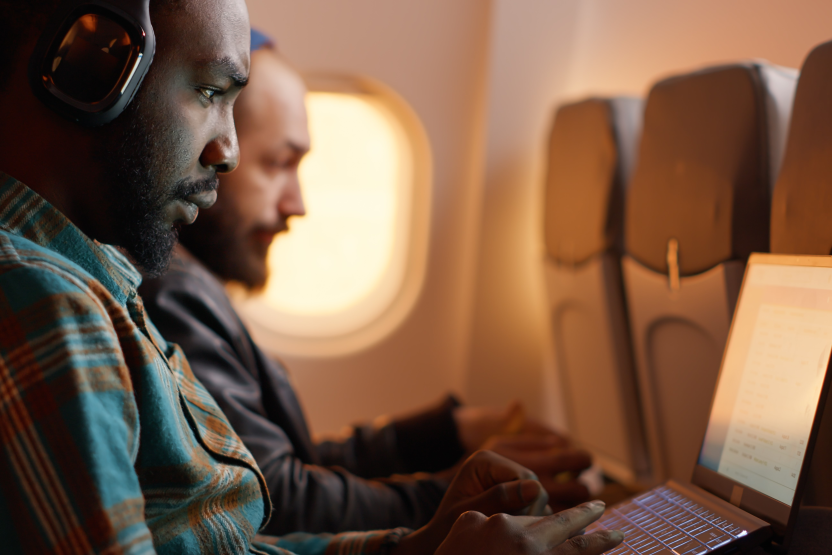
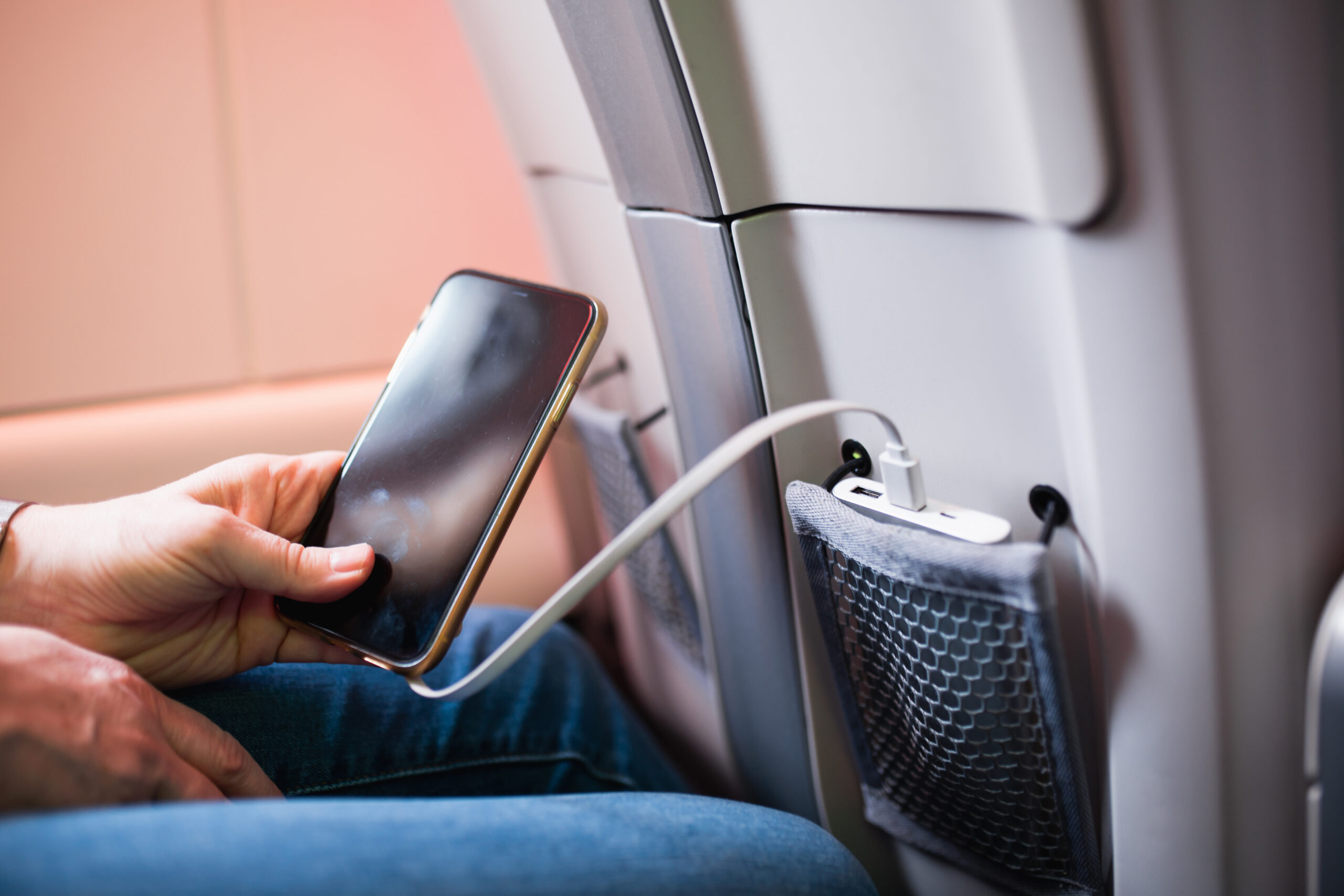
The average flyer brings at least four rechargeable devices (most commonly a smartphone, laptop, tablet, and headphones) for information or entertainment, and that compounds the potential dangers. In many cases, these devices are chosen based on price, not safety.
Ultimately, this is a human behavior problem as much as a technical one. Travelers aren’t ignoring safety out of negligence; they simply don’t understand that lithium-ion batteries are the power source for many of their devices. And, as a result, they do not appreciate the potential danger they’re bringing on board.
In summary, our findings underscore the need for clearer, more accessible safety messaging and guidance. Until that is widely available, like size limits for bottles of liquid, passengers need to read and understand the airport signs, educate themselves on the potential hazards of lithium-ion batteries, and keep lithium-ion batteries within arm’s reach when flying.