Notre Comité technique (CT) constituent un élément essentiel de notre processus d'élaboration des normes. Les TC sont chargés d'élaborer et de maintenir des normes UL et ULC basées sur le consensus, conformément aux exigences de la Institut national américain de normalisation (ANSI) et le Conseil canadien des normes (CCN).
Chaque comité technique doit représenter un équilibre d'intérêts, avec des membres issus de neuf catégories différentes de parties prenantes : producteurs ; chaîne d'approvisionnement ; commerce/industrie ; régulateurs généraux/autorités compétentes (AHJ) ; gouvernement ; organismes d'essai et de normalisation ; consommateurs et délégués internationaux. Pour garantir l'équité, notre objectif est qu'aucune de ces catégories ne représente plus de 33,3% des membres du comité technique. La participation active des membres est essentielle pour maintenir cet équilibre et faire avancer le processus d'élaboration des normes.
Our Member Spotlight series highlights the contributions of TC members who play a key role in standards development. Today’s spotlight is in honor of Chuck Kurten.
Meet Chuck Kurten 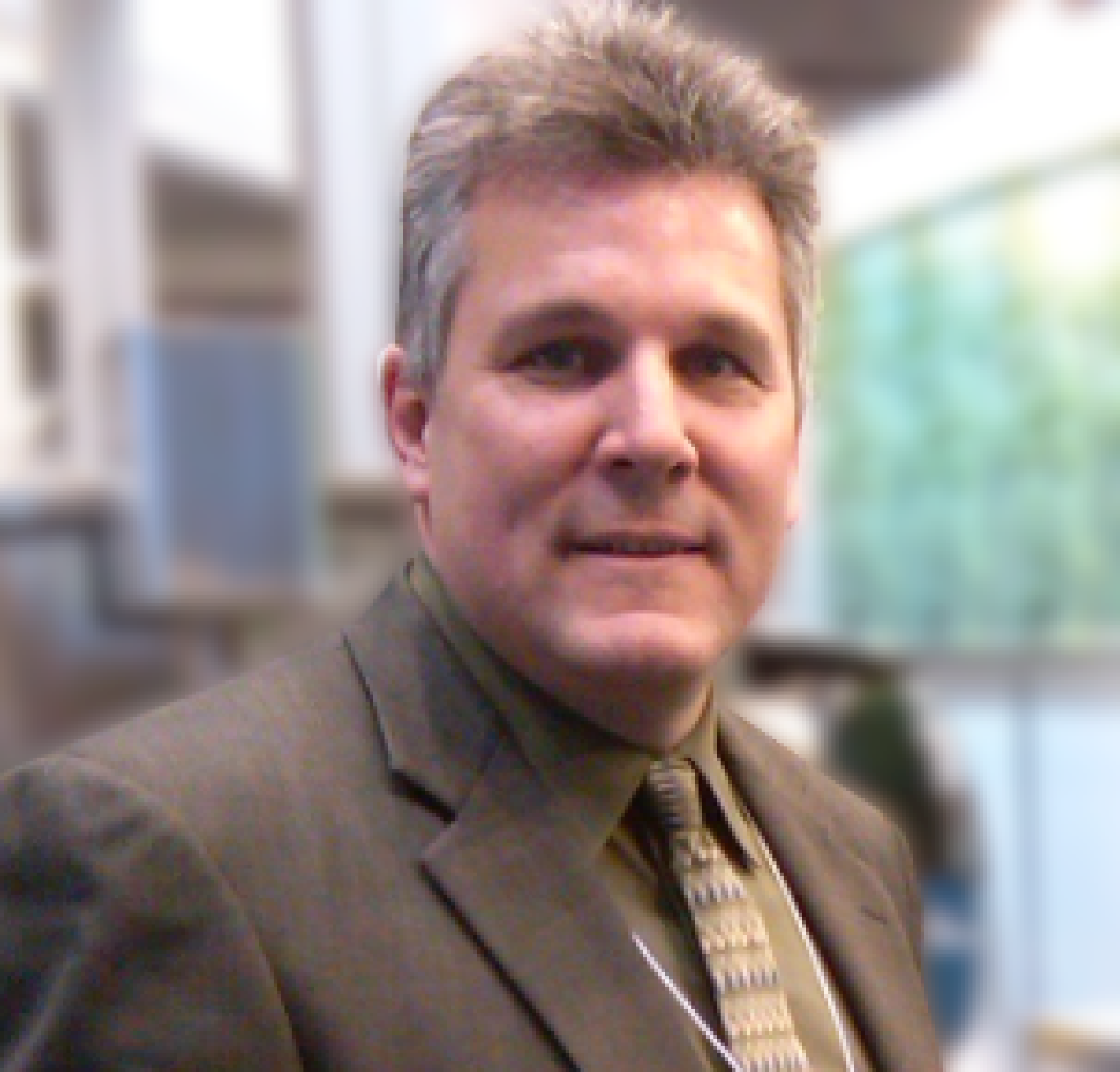
Chuck Kurten is a principal engineer in Energy & Industrial Automation at Solutions UL, with 38 years of experience in working with wiring devices. He is the author of the article, “Receptacle Grades: What Do They Mean?,” which appeared in the January/February issue of IAEI Magazine, a publication of the International Association of Electrical Inspectors (IAEI). He is also a member of multiple UL technical committees, as well as several international TCs organized by the International Electrotechnical Commission (IEC), United States National Committees (USTAG) and the Council for Harmonization of Electrotechnical Standards of the Nations in the Americas (CANENA). In addition, Kurten is a committee member on the IEC System of Conformity Assessment Schemes for Electrotechnical Equipment and Components (IECEE) Committee of Testing Laboratories (CTL) Expert Task Force 4 for INST, as well as a member of the International Association of Electrical Inspectors (IAEI) and NFPA 70 National Electrical Code, Panel 18.
Pourquoi avez-vous décidé de participer à un comité technique ?
I’ve been involved in many technical committees throughout my 38 years of experience working for UL Solutions in the Wiring Devices area.
Overall, I find standards development and committee participation rewarding both on a technical basis and on a personal level. Being able to work with others on a collaborative basis, with a common cause of protecting both life and property from electrical hazards, is thrilling and provides a sense of accomplishment in improving the safe use of electrical products. Along the way, I’ve developed both personal and professional relationships with members around the world.
Overall, I find standards development and committee participation rewarding both on a technical basis and on a personal level. Being able to work with others on a collaborative basis, with a common cause of protecting both life and property from electrical hazards, is thrilling and provides a sense of accomplishment in improving the safe use of electrical products. – Chuck Kurten
Quel intérêt voyez-vous à participer à un comité ?
I believe the value is purely up to the individual. You decide what to make of it. You can choose to be a member. You can choose to be an active participant. You can also choose to lead. It’s purely up to you and what you decide to make of it.
From my own personal experience, I found it to be valuable both from a career development and on a personal level. My involvement enabled me to expand my technical competencies and skills as a technical member of the global community with a voice on both domestic and international standards development. In each standards development theater, I have personally progressed to different levels of participation. These levels include Technical Expert and International Committee Chair. Each level along this journey has enhanced my technical abilities and personal skill set.
Quels sont vos objectifs en matière de participation à l'élaboration des normes ?
My ambition is to always remain humble. Always accept other people’s points of view and concerns. Be open-minded. Standards development is entrenched in scientific study. Whether utilizing laws of scientific principles or even simple common sense, these touch points reflect like a prism, identifying different safety hazards and concerns. The goal is to achieve a balance between foreseeable hazards and preventative measures to limit safety risks.
Quelle valeur pensez-vous que les normes apportent à la sécurité mondiale ?
Standards are a means of communicating a uniform set of requirements to be applied consistently and equitably on like products. This provides a framework for achieving global economies, efficiencies, and practical applications to assess a product’s construction.
Thank you for your many years of service, Chuck. Your time and contributions to standards development make a daily impact around the globe, helping us in our mission of working for a safer, more secure, and more sustainable world.
Si vous souhaitez participer au processus d'élaboration des normes UL et ULC, plusieurs possibilités s'offrent à vous :
- Demande d'adhésion au CT: L'adhésion au TC est subordonnée à la participation, car la participation active des membres est essentielle pour maintenir l'équilibre des intérêts et faire progresser le processus d'élaboration des normes.
- Souscrire et suivre une norme: Abonnez-vous pour recevoir des informations actualisées sur les nouveaux projets de normes, les normes soumises à un examen public, les normes récemment publiées, etc. Vous pouvez choisir de recevoir des notifications d'activité et de vous impliquer sans être membre.
- Proposer des modifications à une norme: Soumettre une proposition ou une demande de participation à une réunion.