一览
- As students prepare for life on campus, a few simple safety checks can help reduce risks related to fire, carbon monoxide, electrical hazards, and everyday products.
- Find out what safety experts recommend when it comes to smoke alarms, power strips, and charging lithium-ion battery powered devices.
With college students across the U.S. heading back to campus, ULSE recently connected with undergrads to see how they approach safety during back-to-school season. When planning decor for dorms or off-campus housing, not considering safety is the worst decorating decision you can make.
Issues such as fire and carbon monoxide safety, powering and charging electronics, and choosing safer products, are important in every dwelling, whether dorm room, fraternity/sorority house, rental house, or apartment.
If you or your college student haven’t reviewed a student life safety checklist, you are not alone. Check out the following tips to get ahead of safety this school year.
Safety 101 Checklist
1. Check Smoke and CO alarms

Detection is prevention. Make sure alarms are up to date and in the right place.
- Check for smoke alarms and CO alarms on every floor, outside sleeping areas, and inside bedrooms – especially if you are living in off-campus housing.
- Test alarms every six months to make sure batteries are functioning properly.
- Ask landlords to replace smoke alarms older than 10 years and CO alarms older than 5-7 years. Sensors can degrade over time, affecting reliability when alarms are needed most.
2. Follow basic fire safety
Space can be limited in shared housing, but students should always make room for fire extinguishers and never block fire exits.
- Be sure every floor has a fire extinguisher that can be easily accessed and that everyone knows how to use it.
- Keep fire exits and doors clear, especially in a house or home with multiple units.
- Be careful burning candles, incense, or other any other open flames, even small ones, inside. Avoid open flames on bookshelves and near curtains or other loose hanging items.
- Avoid propping open fire doors or other safety mechanisms.
- If you live in a high-rise dorm or apartment building, remember to use stairs and avoid elevators in the event of an emergency.
3. Use power strips carefully
Just because you can run six electronics on the same power strip at once, doesn’t mean you should.
- Make sure power strips aren’t overloaded and are being used according to manufacturer instructions.
- Never plug appliances like microwaves, refrigerators, or window air conditioners into power strips, as they can draw more current than a power strip can handle, creating a fire hazard. Plug appliances directly into wall outlets.
- Never plug space heaters or electric blankets into power strips. Plug directly into wall outlets.
- Never “daisy chain” multiple power strips or extension cords together for extZra reach.
4. Be mindful of rechargeable battery risks
Rechargeable lithium-ion batteries can present a real fire danger if handled, stored, or used incorrectly.

- Avoid overcharging products, remove from charger once fully charged, and charge with the cords from the device manufacturer.
- Monitor batteries and devices for signs of overheating such as battery swelling, smoke, unusual smells, or sounds like hissing and popping.
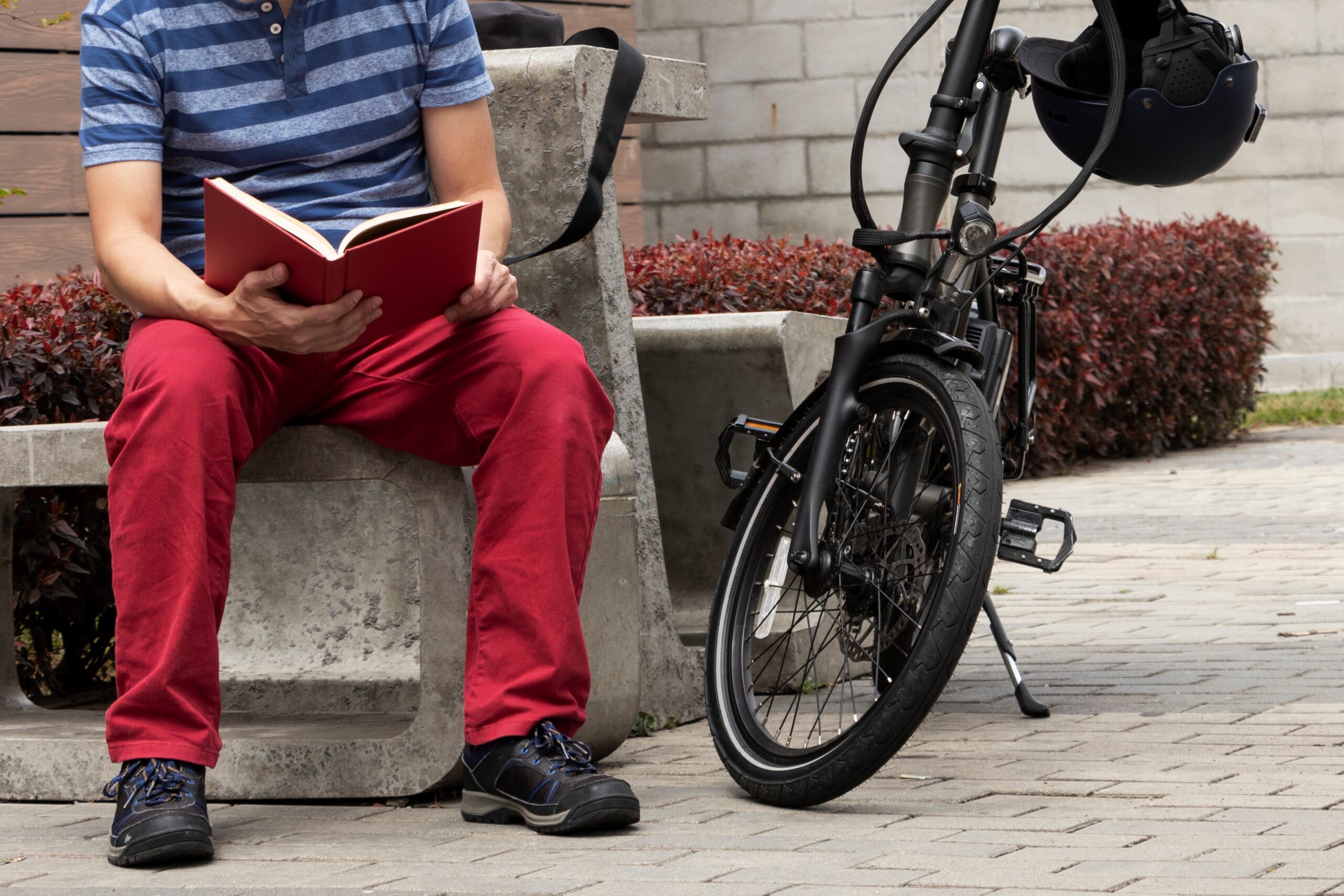
- Do not charge e-bikes or e-scooters unattended or overnight. Ideally, charge outdoors in favorable weather conditions.
- Keep charging devices within eyesight and do not block exits with devices while charging.
- Do not throw away rechargeable batteries in household trash or recycling bins. Take them to a safe drop-off location to recycle.
5. Shop smart
Shopping on a budget can be a challenge, but buying a knockoff or counterfeit product can be a real safety hazard and cost far more than what’s on the price tag. If it seems too good to be true, it probably is.
- Look for certification to safety standards on packaging, products, and online listings.
- Buy from reputable stores and retailers.
- Shop in-person to take advantage of safety features from in-store sales associates.
- Read product reviews carefully.
Everyone Plays a Role
In our recent interviews, we found that students want to be safe, but often in shared living spaces, safety becomes a collective, but undefined responsibility – no single person feels ultimately accountable for ensuring safe practices.
Whether you’re a freshman moving into your first dorm or a senior student looking ahead to graduating soon, make safety a priority and take a few minutes to follow this checklist.