一览
- Make sure you’re set up for safe summer travel with rechargeables in the right place, a CO alarm at your side, and life jackets at the ready.
According to the AAA 2026 Memorial Day Travel Forecast, approximately 45 million Americans will travel at least 50 miles from home this weekend, with 39.1 million people traveling by car and 3.66 million planning to fly.
Memorial Day marks the unofficial start of summer and follows close behind Thanksgiving and Christmas as one of the busiest travel holidays of the year.
Whether you’re in that group, or planning a summer getaway later in the season, traveling more safely starts before you’ve left home. From what you pack to how you enjoy your time, check out our travel safety checklist to be more protected this summer.
Power Banks and Rechargeable Devices — Know the Risks and Stay Safe
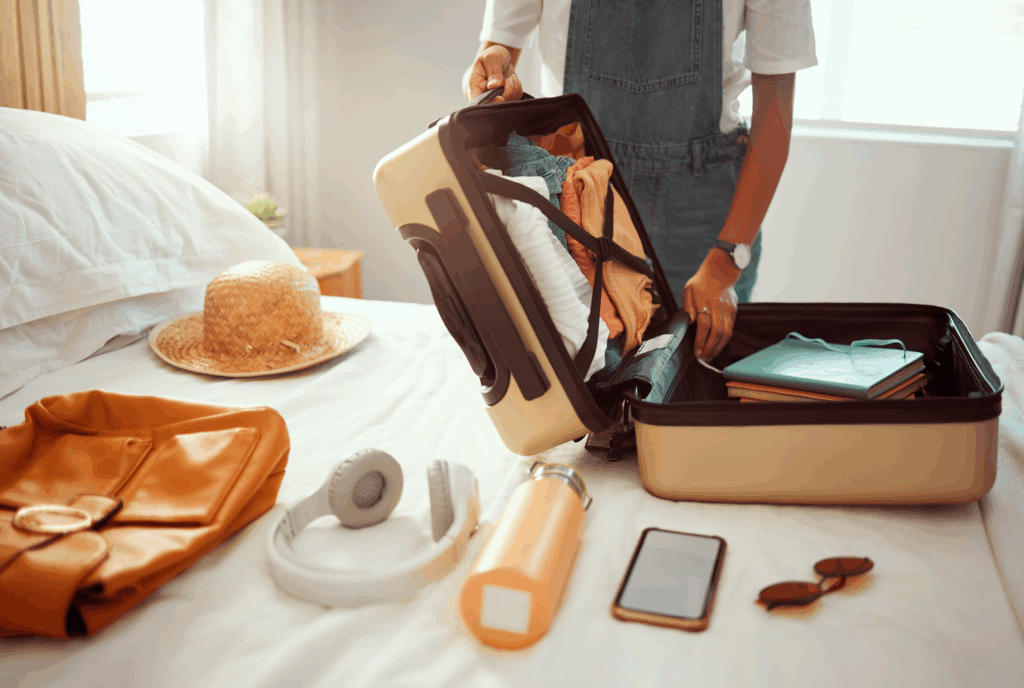
Most rechargeable devices travelers carry (including power banks, phones, tablets, ear buds, e-cigarettes, and more) are powered by lithium-ion batteries, which pack a lot of power into small devices, but can also present a risk of fire, smoke, and explosion from thermal runaway if damaged or malfunctioning. These incidents occur at a rate of two flights per week in U.S. airspace.
- Keep rechargeable devices within reach: Do not pack anything rechargeable in checked luggage. Not even your toothbrush. If devices do start to overheat, the flight crew will need to access them quickly. Keep rechargeable devices like power banks, tablets, and phones within arm’s reach while flying.
- Charge and store rechargeables safely: Only use chargers, cords, and power banks that have been certified to standards like UL 62368-1, UL 2738, and UL 2056. Do not overload outlets in hotels, and avoid charging devices on beds, couches, or other flammable surfaces. Do not leave rechargeable electronics or batteries in hot vehicles, and if you’re planning to spend some time on a boat or on the beach, be sure to keep them out of direct sunlight.
- Inspect devices for damage before traveling: Never travel with a battery that is damaged or showing any signs of thermal runaway, such as swelling or overheating. If batteries or devices are damaged while you’re on vacation, find a local battery recycling location or manufacturer-authorized repair and service location before you start traveling home.

Carbon Monoxide Alarms —Detection is Prevention
Nearly half of U.S. travelers assume every state mandates CO alarms.
Carbon monoxide is incredibly dangerous, but it is also completely odorless, tasteless, and invisible. And it could unfortunately accumulate in any space that contains or is near a fuel-burning appliance or machine, including a gas stove, furnace, water heater, fireplace, car, or portable generator. The only way to detect this deadly gas is with a CO alarm, but not all states require them and nearly half (46%) of U.S. travelers say they are unconcerned when staying in hotels or rentals because they believe every state mandates CO alarms.
- Make sure you’re covered, wherever you go: Inspect your hotel or rental lodging for CO alarms. The safest route is to bring a portable CO alarm for use in hotels, cabins, RVs, boat lodging, etc. Our standard for CO alarms, UL 2034, was updated in 2023 to expand coverage to alarms used in non-dwelling units, namely motels, restaurants, and other indoor locations that may not have more sophisticated detection systems installed.
- Be cautious around CO sources: If using generators while camping, make sure they are 20 feet away from RVs, tents, and cabins. Never use grills, camp stoves, or generators indoors or near enclosed spaces. Be especially cautious in rooms or rental lodgings with gas fixtures, including pool heaters and hot tub heaters, as these can be sources of CO leaks if malfunctioning, improperly connected, or if ventilation is blocked.
Personal Flotation Devices —Staying Safer on the Water
Whether boating, kayaking, fishing, tubing, or paddleboarding this summer, be sure to use lifejackets whenever you’re out on the water. In 2021, 83% of people who drowned while boating were not wearing life jackets.
- Wear it: Lifejackets that meet ULSE standards are designed to ensure wearers can easily put them on and securely adjust them in under one minute. They are also tested to ensure they will inflate as intended when wearers hit the water (if inflatable), and that materials can withstand normal use and UV exposure.