一览
- E-bikes and e-scooters are increasing in popularity among teens, with parents evaluating safety as they consider buying
- In addition to making sure helmets and safe riding behavior, battery safety must also be prioritized
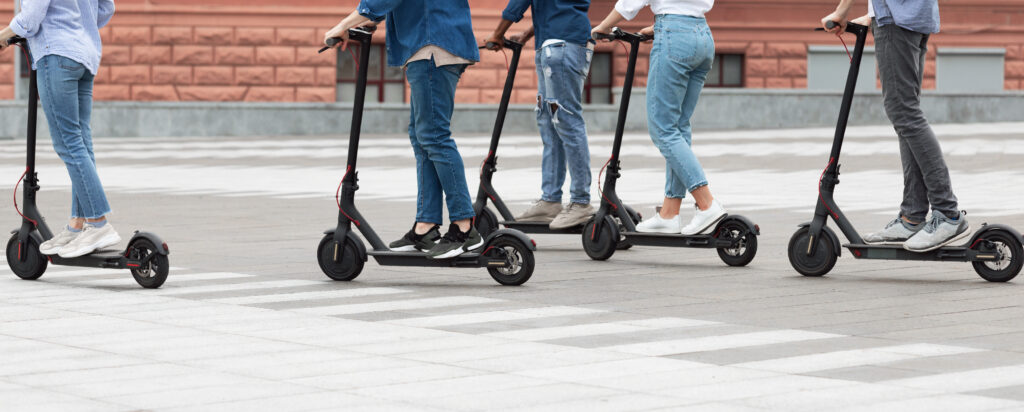
The next time you’re out, count how many electric bikes and scooters are zipping around. As a suburban mom, I’m worried about my twin second-graders dodging bigger kids on these powered two-wheelers, and I’ve told my sons to cross them off their holiday wish lists until they’re older.
E-bikes and e-scooters are fast and fun, with sales expected to overtake traditional versions by 2030. But most states don’t require a driver’s license, and the minimum age to ride varies, often applying only to the fastest models. Moreover, like many technologies, there are risks that aren’t always obvious.
My concern isn’t just as a mother. I also work on behalf of UL Standards & Engagement with the 安全路线合作伙伴关系, a non-profit that helps create safe, convenient, and fun opportunities for children to walk, bicycle, and be physically active in their communities. Together, we’re spreading the word about e-bike battery safety, along with teaching young riders about traffic laws, staying off sidewalks, and wearing helmets.
Battery Safety Can’t Be Ignored
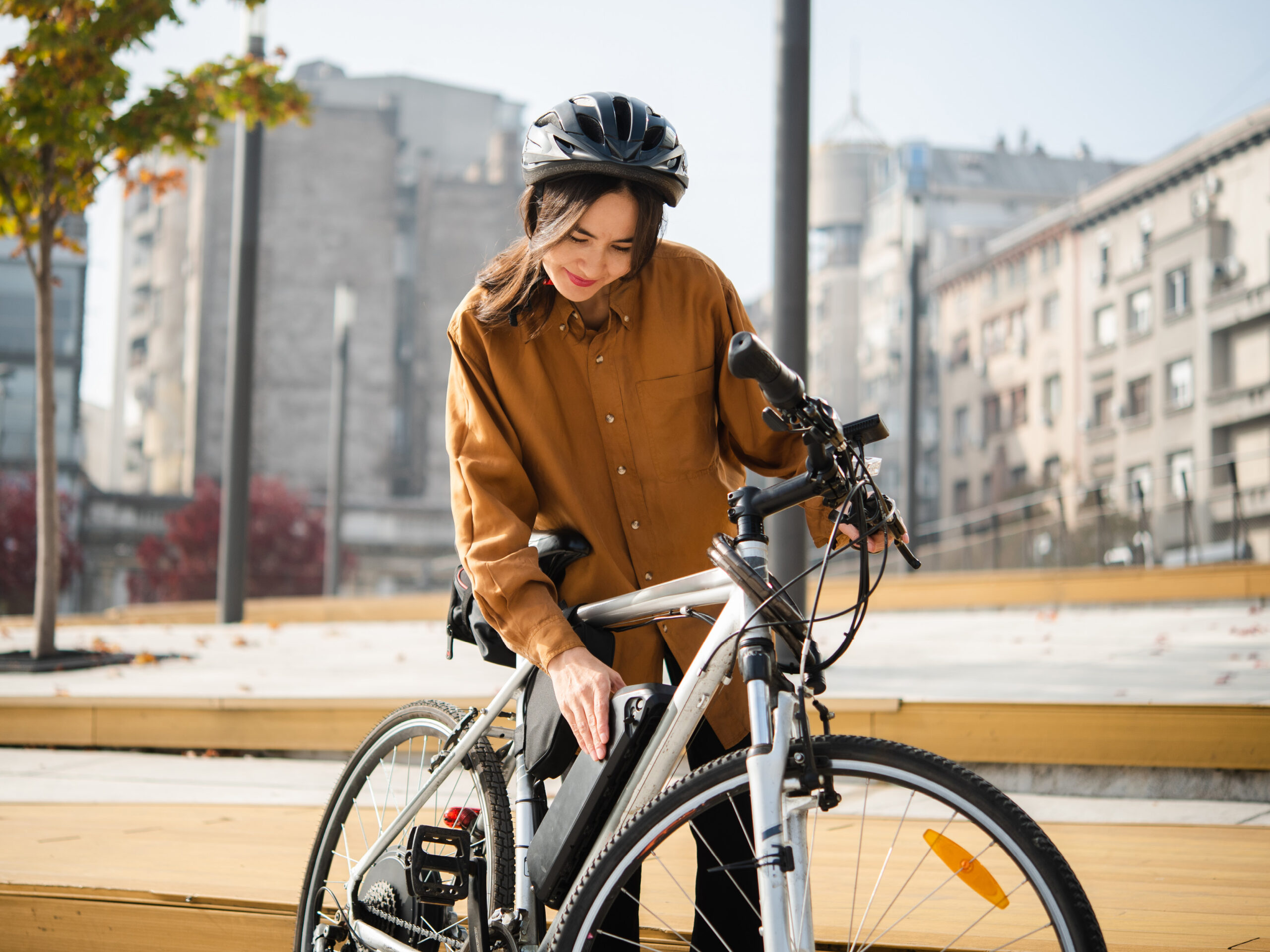
Battery safety is important because these devices are powered by lithium-ion batteries, similar to those in smartphones and laptops, but on a much larger scale. These batteries are powerful, but when poorly made, mishandled, or damaged, they can go into thermal runaway, a chain reaction that can lead to smoke, fire, and even explosions.
Charging a poorly made e-bike battery or e-scooter in a sweltering garage in summer can push batteries past safe temperatures, leaving one in a freezing garage all winter can damage internal components, and rain or high humidity can compromise shoddy power cells. Even a drop onto a hard surface can lead to impact damage (something I think about whenever I see our neighborhood crew hastily “park” their e-bikes and scooters in a pile on a friend’s driveway).
That’s why you should always shop for e-bikes or e-scooters certified by an independent safety organization. E-mobility devices that meet ULSE safety standards for battery and electrical systems have been rigorously tested to withstand heat, cold, and the bumps of everyday use. Look for certification to the following:
- UL 2849, Electrical Systems for E-bikes
- UL 2272, Electrical Systems for Personal E-mobility Devices
- UL 2271, Batteries for Use in Light Electric Vehicle Applications
If buying these devices for your middle schooler or high schooler, it might be tempting to order from a discount site, but I recommend speaking with a reputable manufacturer or authorized retailer instead. Local bike shop owners understand which products are certified and can be extremely helpful in answering questions about best safety practices. Online sellers, on the other hand, sometimes cut dangerous corners.
If You Do Buy an E-bike or E-scooter for Your Teen, Follow These Tips:
- Check e-bike classes and local laws and licensing requirements for each. E-bikes range from Class 1, reaching top speeds of 20 mph, to Class 3, reaching up to 28 mph. Some states have minimum age requirements and other regulations for certain classes, such as restricted use on sidewalks and required use of helmets.
- Only use the charger that comes with the e-bike or e-scooter. Don’t be tempted by cheap replacement chargers as they can present a fire risk if they are not compatible with the batteries.
- Always charge on a hard, flat surface away from flammable materials. Ideally charge indoors but not blocking the door so that you can exit safely in the event of a fire.
- Never leave e-bikes or e-scooters charging overnight, or when you are away from home. If a battery does enter thermal runaway, you will need to be alert so that you and your loved ones can respond accordingly.
- Never attempt do-it-yourself repairs. This could compromise the battery or the electrical system. Instead, reach out to the manufacturer or local bike shop for repair options. The device may even be covered under warranty for free repair or replacement.
- Always make sure your teens wear helmets when they ride, and that the helmets also comply with safety standards. Helmets certified to NTA 8776 are specifically designed for use with high-speed e-bikes and scooters, and are tested to absorb higher force impacts up to 28 mph.
The encouraging news is that many cities are requiring compliance with ULSE standards for e-bikes and e-scooters and helping raise the bar across the board. The more local governments demand certified products, the fewer unsafe ones get made.
Electric bikes and scooters are a lot of fun when used responsibly and I’m sure they will eventually be part of my boys’ world as they transition from the unpowered scooters they currently love to ride. When that time comes, I plan to insist on safe riding and helmets, shop carefully, check for certification, and of course, charge smart.