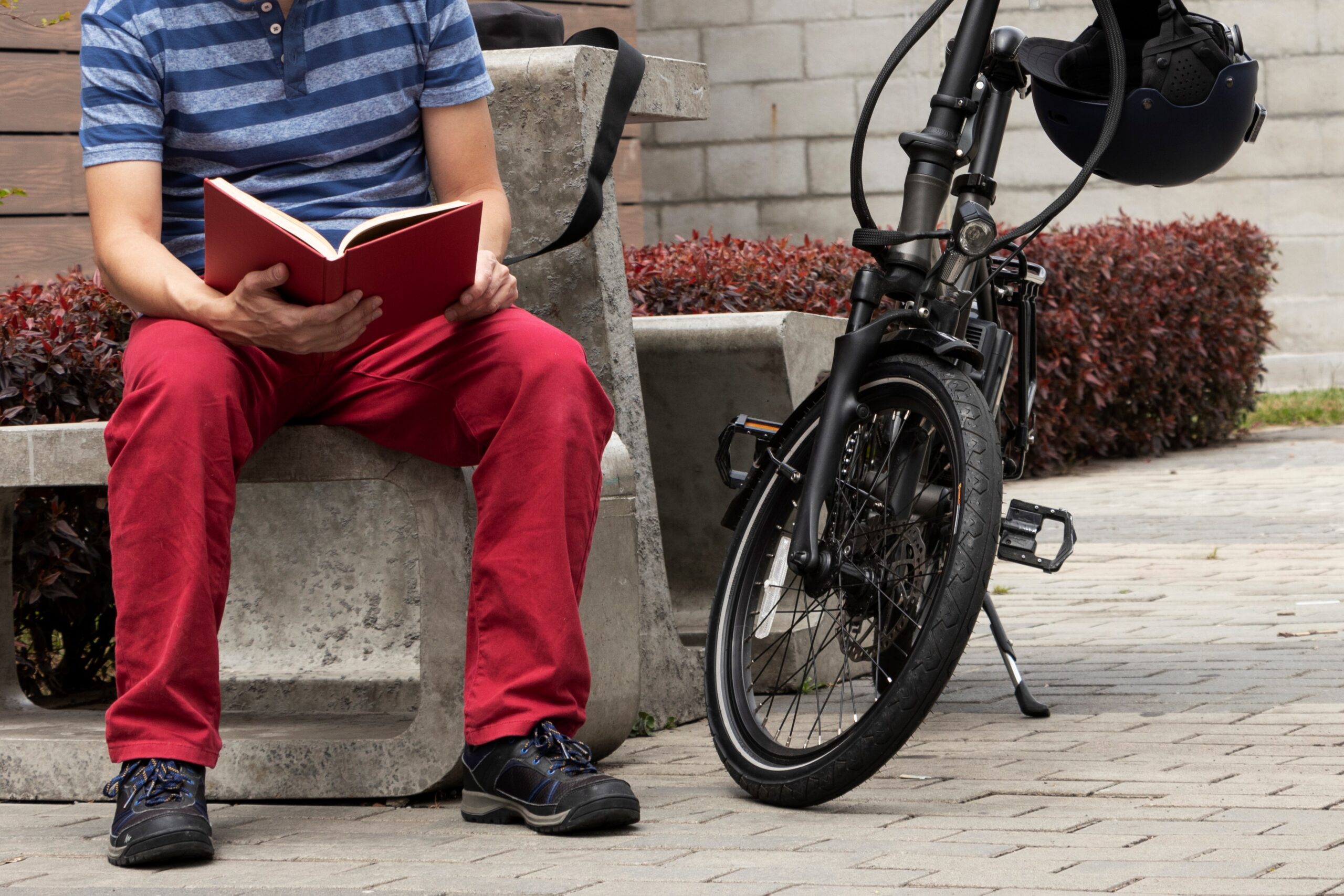
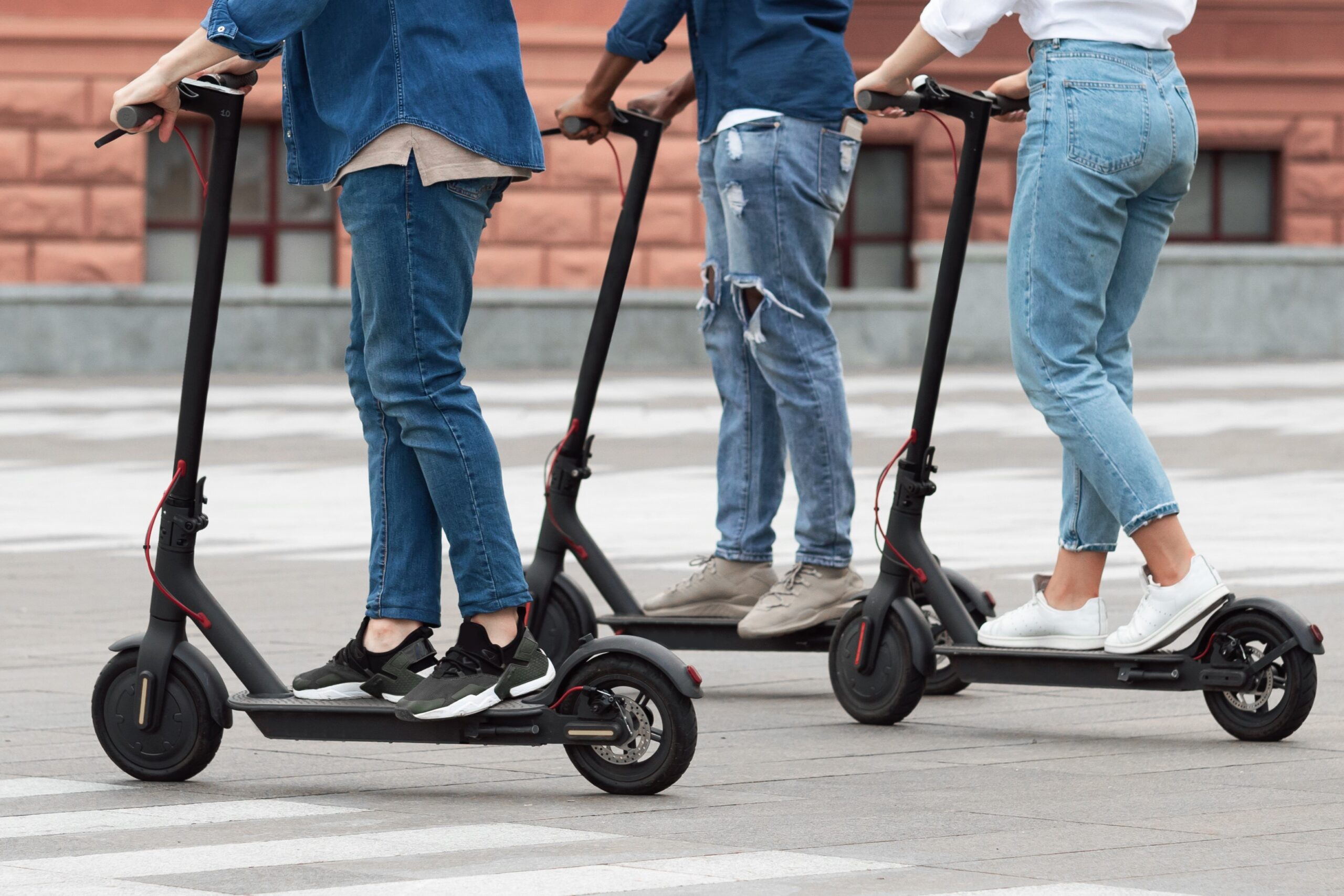
In the early morning hours of November 5, a devastating fire tore through a two-story home in New York City’s Brooklyn neighborhood, tragically claiming the lives of six residents. Although officials have yet to confirm the source, reports have pointed to an electric scooter inside the home.
The fire was the city’s deadliest this year, taking place only eight days after another fire in a Bronx apartment, which started with an e-scooter charging in the kitchen, and claimed the lives of four people.
For these families and their communities, the losses are immeasurable. They deserve our commitment to preventing further tragedies.
New York City has made significant efforts to help prevent e-mobility fires, including requiring certification to safety standards for devices and batteries sold, rented, or leased in the city. But a law alone cannot remove every dangerous battery already in a home, protect a battery from damage or a device from modification after purchase, or prevent every illegal sale. To the latter point, in August and September of this year alone, NYC’s Department of Consumer and Worker Protection inspected more than 200 shops in the city and issued 136 violations.
Safety standards provide an essential foundation for safer e-mobility. Certified devices and batteries are thoroughly evaluated against requirements in standards that are designed to reduce risks — including fire. Uncertified and counterfeit batteries do not carry that same level of assurance.
Certification cannot, however, eliminate the need for consumer awareness or care throughout the product’s life. At ULSE, we follow reports of e-mobility fires around the world every day. Recurring risks offer lessons that can help protect riders and their neighbors.
For people who depend on e-bikes for work, the appeal of more range or power is understandable. But modifying a battery or installing an incompatible replacement can compromise essential safeguards. Use a compatible battery and charger from the original manufacturer and the specified charger.
Counterfeits add another challenge. Misspellings, blurry product images, and prices that seem too good to be true can signal trouble, but convincing fakes may escape detection. Buy from manufacturers or authorized sellers.
Because neither counterfeits nor damage are always visible, precautions matter for every rider: never charge while sleeping or away from home, and never let a device block an escape route. FDNY officials said the device in the recent Bronx fire prevented residents from exiting safely.
Battery fires can develop rapidly. Hissing, popping, swelling, unusual heat, or chemical odors demand immediate attention. Stop using the device; if it is hissing, popping, smoking, or emitting a strong chemical odor, get everyone out and call 911. Do not try to move it or fight the fire.
Laws and certification provide essential protections. Safe use, maintenance, and a clear path to escape must reinforce them. New York City has worked beyond the law to protect its residents, launching public education campaigns, offering incentive programs, and creating an e-bike trade-in program.
Before last week, we had hope that deaths were sharply declining in New York City. The recent tragic losses have shaken that hope. They do not, however, diminish the importance of New York City’s 2023 law. We cannot count the tragedies that never happened because a safer product replaced a dangerous one. Requiring certification to safety standards remains an essential protection.
That protection should not stop at the city line. We urge other communities to adopt certification requirements and Congress to advance the Setting Consumer Standards for Lithium-Ion Batteries Act, pending in the Senate, to establish protections nationwide. Wherever someone buys, rides, or charges an e-bike, safety should be an expectation.
ULSE will continue strengthening our standards, advocating for laws that require safety certification, and helping people understand how to reduce risk. We mourn with the families and communities who have lost loved ones. Every report of another fatal fire deepens our resolve to help make it the last.