A PRIMERA VISTA
- Asegúrate de estar preparado para viajar con seguridad este verano: coloca las pilas recargables en el lugar adecuado, ten a mano un detector de monóxido de carbono y prepara los chalecos salvavidas.
Según el Pronóstico de Viajes del Día de los Caídos de AAA 2026, aproximadamente 45 millones de estadounidenses viajarán al menos 50 millas de casa este fin de semana, con 39,1 millones viajando en coche y 3,66 millones planeando volar.
El Día de los Caídos marca el inicio oficioso del verano y, junto con Acción de Gracias y Navidad, es una de las fechas festivas con mayor afluencia de viajeros del año.
Ya sea que se encuentre en ese grupo o planee una escapada de verano más adelante en la temporada, viajar de forma más segura comienza antes de haber salido de casa. Desde lo que empaca hasta cómo disfruta su tiempo, consulte nuestra lista de verificación de seguridad para viajes para estar más protegido este verano.
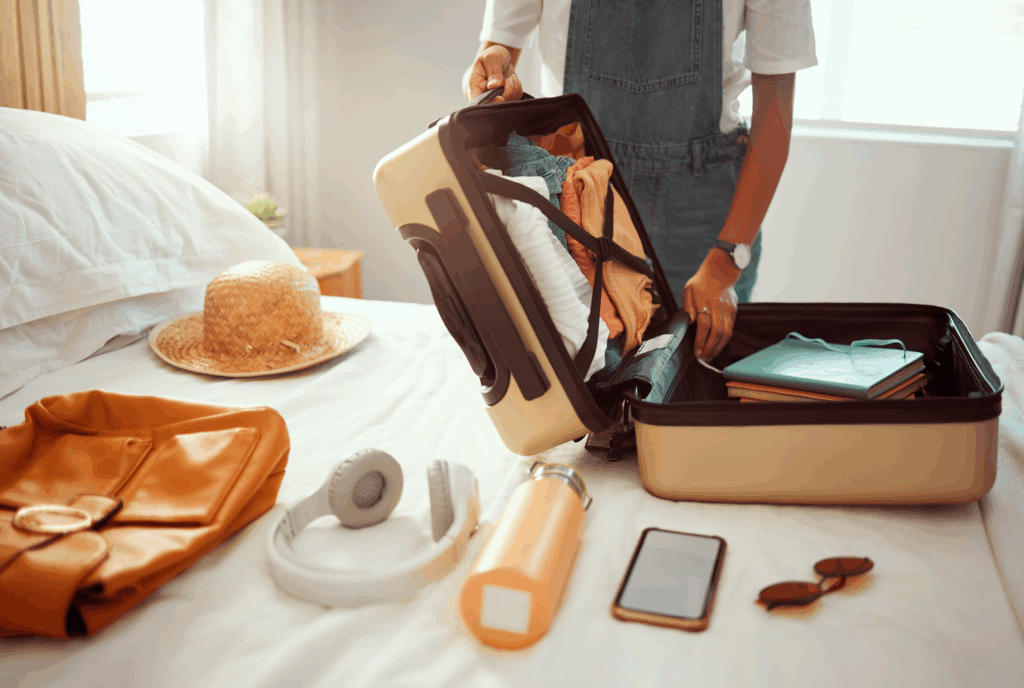
Baterías portátiles y dispositivos recargables: conozca los riesgos y manténgase seguro
La mayoría de los dispositivos recargables que llevan los viajeros (incluidas las baterías externas, los teléfonos, las tabletas, los auriculares, los cigarrillos electrónicos y más) funcionan con baterías de iones de litio, que concentran mucha energía en dispositivos pequeños, pero que también pueden presentar un riesgo de incendio, humo y explosión por fuga térmica si se dañan o funcionan mal. Estos incidentes ocurren a una tasa de dos vuelos por semana en espacio aéreo estadounidense.
- Mantener recargable dispositivos al alcance de la mano: No empacar cualquier cosa recargables en el equipaje facturado. Ni siquiera tu cepillo de dientes. Si los dispositivos comienzan a sobrecalentarse, la tripulación de vuelo necesitará acceso rápido a ellos. Mantén los dispositivos recargables como baterías externas, tabletas y teléfonos al alcance de la mano mientras vuelas.
- Carga y almacena las baterías recargables de forma segura: Utiliza únicamente cargadores, cables y baterías externas que cuenten con la certificación de normas como UL 62368-1, UL 2738 y UL 2056. No sobrecargues las tomas de corriente de los hoteles y evita cargar los dispositivos sobre camas, sofás u otras superficies inflamables. No dejes dispositivos electrónicos recargables ni baterías en vehículos calientes, y si tienes pensado pasar un rato en un barco o en la playa, asegúrate de mantenerlos alejados de la luz solar directa.
- Inspecciona los dispositivos en busca de daños antes de viajar: Nunca viajes con una batería dañada o que presente signos de sobrecalentamiento, como hinchazón o recalentamiento. Si las baterías o los dispositivos se dañan mientras estás de vacaciones, encontrar un punto de reciclaje de pilas en tu zona o un centro de reparación y servicio autorizado por el fabricante antes de emprender el viaje de regreso a casa.

Detectores de monóxido de carbono: la detección es prevención
Casi la mitad de los viajeros estadounidenses cree que todos los estados exigen la instalación de detectores de monóxido de carbono.
El monóxido de carbono es increíblemente peligroso, pero también es completamente inodoro, insípido e invisible. Y desafortunadamente, puede acumularse en cualquier espacio que contenga o esté cerca de un electrodoméstico o máquina que queme combustible, como una estufa de gas, un horno, un calentador de agua, una chimenea, un automóvil o un generador portátil. La única forma de detectar este gas mortal es con una alarma de CO, pero No todos los estados los requieren. y casi la mitad (46%) de los viajeros estadounidenses afirman que no les preocupa alojarse en hoteles o alojamientos de alquiler porque creen que todos los estados exigen la instalación de detectores de monóxido de carbono.
- Asegúrate de estar cubierto, vayas donde vayas: Inspeccione su hotel o alojamiento de alquiler en busca de detectores de CO. La ruta más segura es llevar un detector de CO portátil para usar en hoteles, cabañas, vehículos recreativos, alojamientos de barcos, etc. Nuestro estándar para detectores de CO, UL 2034, se actualizó en 2023 para ampliar la cobertura a los detectores utilizados en unidades no residenciales, es decir, moteles, restaurantes y otros lugares interiores que pueden no tener sistemas de detección más sofisticados instalados.
- Tenga cuidado con las fuentes de COSi usa generadores mientras acampa, asegúrese de que estén a 20 pies de distancia de casas rodantes, tiendas de campaña y cabañas. Nunca use parrillas, estufas de campamento ni generadores en interiores o cerca de espacios cerrados. Tenga especial precaución en habitaciones o alojamientos de alquiler con instalaciones de gas, incluidos calentadores de piscina y calentadores de jacuzzis, ya que estos pueden ser fuentes de fugas de CO si funcionan mal, están mal conectados o si la ventilación está bloqueada.
Dispositivos de flotación individuales: mayor seguridad en el agua
Ya sea que este verano salgas a navegar, practiques kayak, pesques, te des un paseo en flotador o practiques surf de remo, asegúrate de llevar puesto el chaleco salvavidas siempre que estés en el agua. En 2021, 831 personas que se ahogaron mientras navegaban no llevaban puesto el chaleco salvavidas.
- Llévalo: Chalecos salvavidas que cumplen las normas ULSE están diseñadas para garantizar que los usuarios puedan ponérselas fácilmente y ajustarlas de forma segura en menos de un minuto. Además, se someten a pruebas para garantizar que se inflen correctamente al entrar en el agua (en el caso de los modelos inflables) y que los materiales resistan el uso habitual y la exposición a los rayos UV.