Several major U.S. airlines have recently announced or are preparing to introduce policies that restrict the usage, charging, or placement of devices like power banks (also called portable chargers) and vapes brought on board. These changes are in response to a clear, growing risk.
After a fire started by a power bank broke out in the overhead bin of a Virgin Australia flight last year, the airline changed its policy to require that power banks be stored only “in the seat pocket, under the seat in front, or kept on you/in your hands.”
Southwest changed its policy to require power banks remain visible if used in flight and does not allow charging in overhead bins. And just recently, announcements restricting power banks have come from Japan’s Transport Ministry and all Korean airlines.
Understanding the Risk of Flying with Lithium Ion Batteries

Read next: Why bans may not be the solution.
Although half of consumers don’t know anything about lithium-ion batteries, they are the power source for many of the devices routinely brought onboard, including phones, laptops, tablets, power banks — just about everything you can charge. While most operate safely, failures can occur. If they do, the lithium-ion battery can enter thermal runaway, a rapid, self-heating state that produces intense heat, smoke, and sometimes fire.
Data from ULSE’s Thermal Runaway Incident Program (TRIP) database, informed by more than 40 airlines, shows that incidents involving passenger-carried rechargeable devices have risen steadily in recent years. With an average of two incidents per week, the trend is concerning and the consequences more severe at 30,000 feet. News coverage of incidents puts those consequences in sharp focus, perhaps none more so than the power bank fire that destroyed an Air Busan plane that was taxiing — and only 10 minutes from takeoff.
Why Airlines Are Focused on Power Banks
Data from an upcoming ULSE report shows that power bank incidents jumped 42% from 2024 to 2025. Further, power banks were responsible for the most thermal runaway incidents (30% of all passenger flight incidents), followed by vapes which accounted for 28% of the total. It’s that frequency that is prompting airlines to act now.
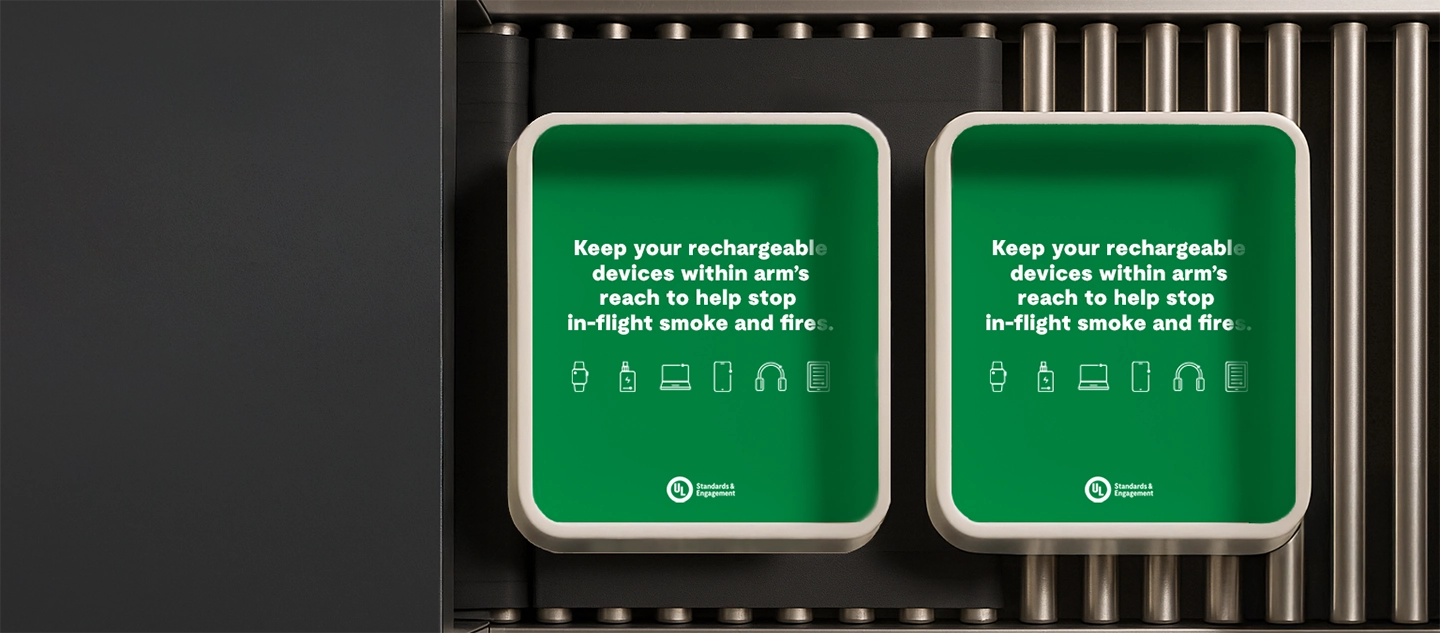
Power banks, however, are far from the only lithium-ion battery-powered device travelers are bringing onboard. ULSE data shows that the average passenger brings four rechargeable products with them. We would recommend that you keep any rechargeable products at arm’s reach — never in checked luggage and ideally not in overhead bins — to allow for early detection and faster response in the event of an emergency.
Why You Shouldn’t Store Your Power Bank in the Overhead Bin
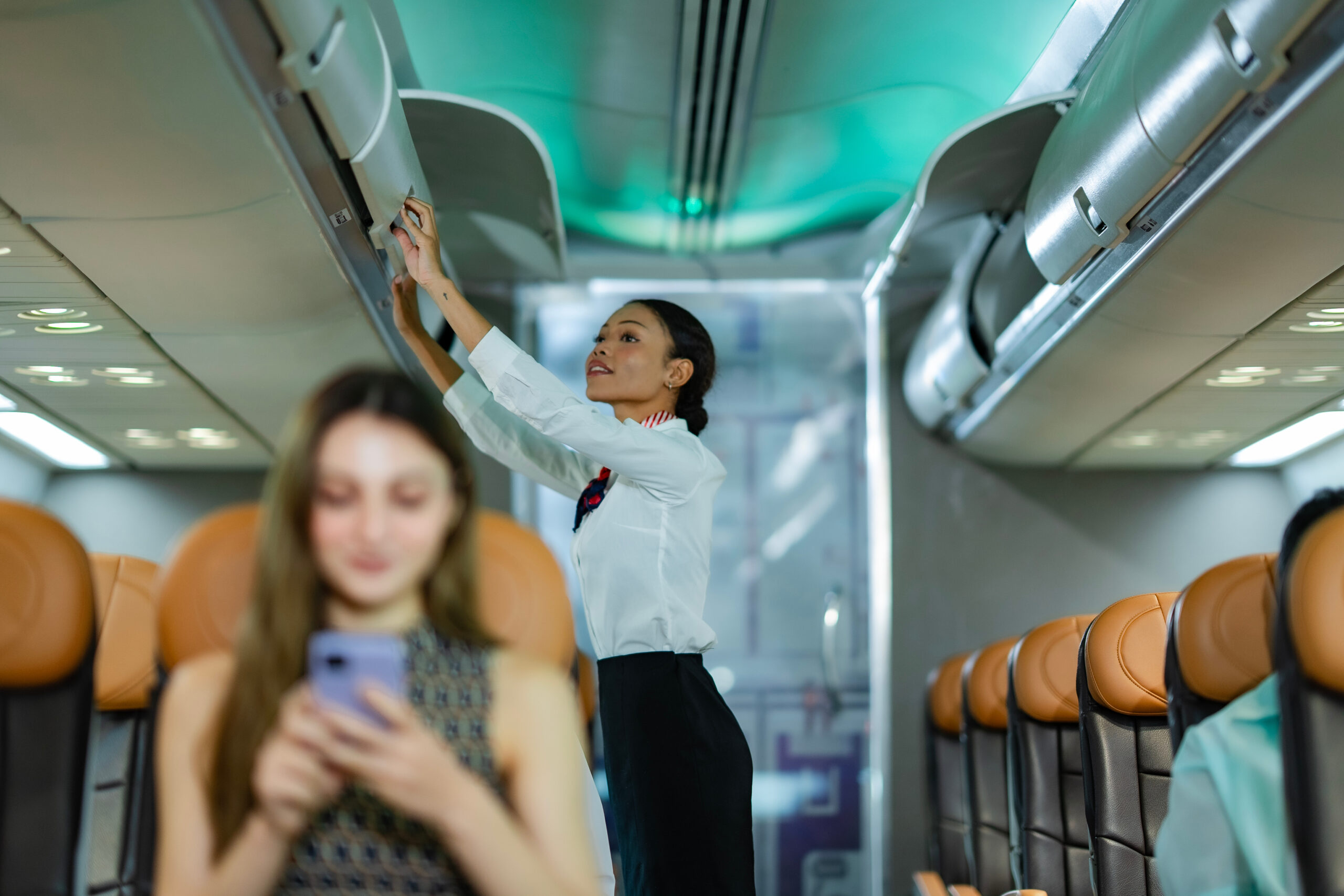
Several high-profile incidents have occurred in overhead bins, where a failing device may go unnoticed longer. Airlines are responding by addressing what they can control: where the highest-risk items are stored during flight.
Early warning signs like heat, smoke, or unusual sounds may be missed in the overhead bin, and the fire can spread to nearby bags before it’s clear there is a problem. Keeping rechargeable devices out of overhead bins and within reach allows flight attendants to intervene faster if something goes wrong.
What Happens If An Incident Occurs?
Your flight crew is trained to handle thermal runaway incidents. If you suspect a device is going into thermal runaway, notify a flight attendant immediately. Many planes are equipped with thermal runaway containment products — ideally certified to UL 5800 — that can help keep a fire from getting out of control and offer more time to get the flight on the ground safely.
Quick response leads to quick mitigation, allowing your journey to continue as planned. In about one-fifth of incidents in ULSE’s data, thermal runaway has meant delays, returns to the gate, or unplanned landings.
What Passengers Should Know Before They Fly With Li-Ion Batteries
Airline policies are changing and may differ depending on which airline you fly. No matter the carrier, passengers can take a few simple steps to reduce risk and be aligned with safety guidelines across airlines:
- Do not place power banks, vapes, or any rechargeable products in overhead bins.
- Keep rechargeable devices within arm’s reach, and ideally visible, during flight.
- Notify a flight attendant immediately if your device shows warning signs of thermal runaway like smoking, overheating, or swelling.
Safety is a shared responsibility. Clear, consistent actions by airlines and greater passenger awareness will help prevent small failures from becoming serious in-flight emergencies — leading to safer skies for everyone.
For more information on how to fly safer, visit SaferBatteryTravel.org.