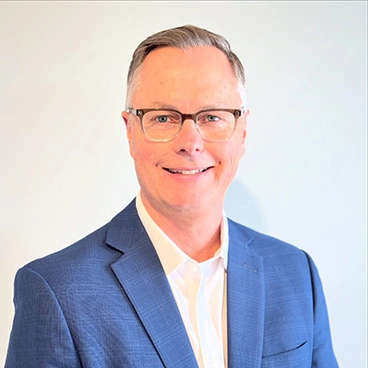
鲍勃·麦克莱兰
交通安全高级项目经理
鲍勃·麦克莱兰德(Bob McClelland)是一位航空安全专家,在航空货运运营、监管合作和危险品管理方面拥有二十多年的领导经验。鲍勃于 2024 年 3 月从 UPS 航空退休,此前他在此公司度过了辉煌的 34 年职业生涯,最近担任安全、合规和危险品董事总经理。在此职位上,他领导了五个主要部门,并在航空公司内部署强大的安全管理体系方面发挥了重要作用。在 COVID-19 大流行期间,他的领导尤为关键,他帮助获得了美国联邦航空管理局 (FAA) 的信任,得以运输大量干冰以分发疫苗。.
2003年至2017年,鲍勃担任联合包裹公司 (UPS) 的危险品总监,期间他领导了锂电池安全计划,支持了美国国家运输安全委员会 (NTSB) 对联合包裹事故6号航班的调查,并代表联合包裹参加了国际航空运输协会 (IATA) 和国际民用航空组织 (ICAO) 等全球论坛。他还领导了该航空公司全天候的危险品咨询热线,每年处理超过25万个电话。.
In 2025, Bob transitioned to UL Standards & Engagement as Senior Program Manager, Transportation Safety, continuing his mission to improve safety across the transportation landscape. His current work is informed by his leadership on the U.S. DOT’s Lithium Battery Air Safety Advisory Committee, where he introduced the Thermal Runaway Incident Program’s capabilities, and his involvement in a Transportation Research Board study on dry ice transport. He holds a BBA in Marketing from the University of Houston and completed executive education at Emory University’s Goizueta Business School.
We had the chance to sit down to get to know Bob better. Learn more about his experience and how it’s defining his approach to working for a safer world.
Q: Bob, tell us briefly about your career and what you do today at UL Standards & Engagement?
A: I had a 34-year career at UPS, and I like to say I started from the ground up. I was loading trailers while still in college, then got hired full time as a driver. I worked my way through a number of positions, and in 2000, I moved to Louisville, Kentucky, home of UPS Airlines, which eventually led me into dealing with dangerous goods and airline safety — how pilots fly, how mechanics maintain aircraft, how ground handlers load them. Moving to ULSE was a natural transition because I had worked with members of the ULSE team on the potential dangers of lithium-ion batteries as far back as 2017.
Q: What do you see as the biggest air cargo safety risk today?
A: The biggest air cargo safety risk today is posed by lithium-ion batteries, which can go into a state called thermal runaway which can lead to smoke, fire, or even explosion if they aren’t properly handled or manufactured. That’s been a threat for more than 15 years and it’s one that we should expect to grow in the next 15 as consumer demand rises. Consumers want these batteries because they are powerful and let them live untethered with their devices, so as more and more products rely on them, more and more are transported by air. More batteries in the air, more risk on cargo planes.
Q: What keeps you up at night when it comes to battery shipments? Is there a call you’re waiting for?
A: Unfortunately, I got that call in my previous job. When I was at UPS in 2010, we had an aircraft that tragically crashed, and we lost two pilots. While the report couldn’t determine the exact cause of the accident, it was highly suspected that lithium-ion batteries played a significant role. My concern today is: can that happen again? At ULSE, we are doing everything we can to help prevent another tragedy like that — be it on the cargo side or the passenger side.
Q: Since leaving UPS, what’s one risk that remains, and what’s a new risk you’ve identified while working here at ULSE?
“Some shippers are either unaware of regulations or rely on airlines to tell them if something is wrong, but airlines don’t have X-ray vision or a crystal ball.”
A: Lithium battery transport has improved when it comes to packaging, labeling, quantity limits, and regulatory oversight, but incidents still occur. Through ULSE’s Thermal Runaway Incident Program, we collect and analyze airline data and share it back so carriers understand not only their own trends, but also what’s happening across the industry. Lithium-ion batteries remain dangerous because of their ability to propagate heat from cell to cell, which can result in fire potentially overwhelming onboard fire suppression systems.
One newer concern is the imbalance of knowledge in the supply chain. Some shippers are either unaware of regulations or rely on airlines to tell them if something is wrong, but airlines don’t have X-ray vision or a crystal ball. They can’t see inside every box and don’t know the quality of the cells. There’s a gap in understanding and responsibility. We also continue to see substandard, low-quality batteries in the marketplace, driven by consumer demand for cheaper products.
Q: How has the risk profile changed since your time at UPS compared with today? What similarities surprise you — particularly issues that are still ongoing?
A: Regulatory knowledge and action have improved dramatically since the mid-2000s, but the system is still complex. Some shippers don’t fully understand the rules — and in some cases choose not to comply because of cost.
Q: If you could change one thing in air cargo instantly, what would it be?
A: Parties across the supply chain need to understand that they are all accountable and each has a role to play in safety, and that there must be an authority able to hold them responsible when necessary. The airlines are facing immense pressure to make sure everyone has done that job before the planes are loaded, and in many places, they don’t even know the manufacturer of the batteries, the secondary manufacturer or devices, the distributor, and so on. Stronger enforcement must be supported by enhanced education across the supply chain—more knowledge will lead to better outcomes for all parties.
Q: After 30 years with UPS, why is it important for you to remain engaged in air safety issues?
A: It’s hard to walk away from decades of accumulated knowledge. There’s a responsibility to transfer that knowledge, to help the next generation understand where we came from, what actions were taken, and what risks remain. At ULSE, I can speak with airlines around the world, manufacturers, and regulators — bridging gaps and helping move safety forward.

Hear From Our Experts
“At ULSE, I can speak with airlines around the world, manufacturers, and regulators — bridging gaps and helping move safety forward.”
鲍勃·麦克莱兰
交通安全高级项目经理