A PRIMERA VISTA
- El monóxido de carbono es una amenaza grave pero subestimada, Estos robos a menudo pasan desapercibidos en hogares sin alarmas.
- Los estándares ULSE para los alarmas de CO (UL 2034) están diseñados para salvar vidas., Esto garantiza que los alarmas sonen a niveles de exposición potencialmente mortales, proporcionando la línea de defensa más eficaz contra este peligro invisible.
El monóxido de carbono a menudo se le llama el “asesino silencioso” por una razón: no se puede ver, oler ni probarlo. Y absolutamente no se puede ignorarlo.
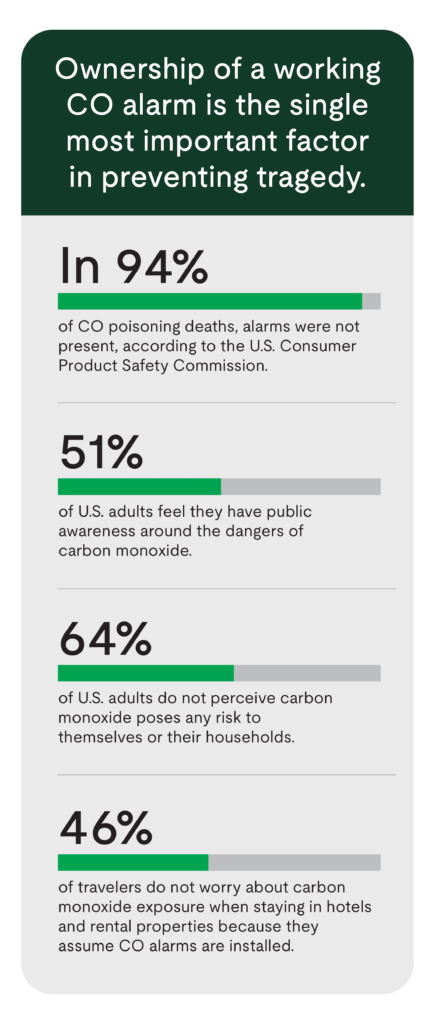
A pesar de los riesgos, una encuesta realizada en el hogar por la Comisión de Seguridad de Productos de Consumo reveló que 45% de los hogares no tenían alarma contra el CO, más que los 36% que dijeron lo mismo. Informe de evaluación de la seguridad CO de UL Standards & Engagement. Este desfase es más que una estadística; es una advertencia.
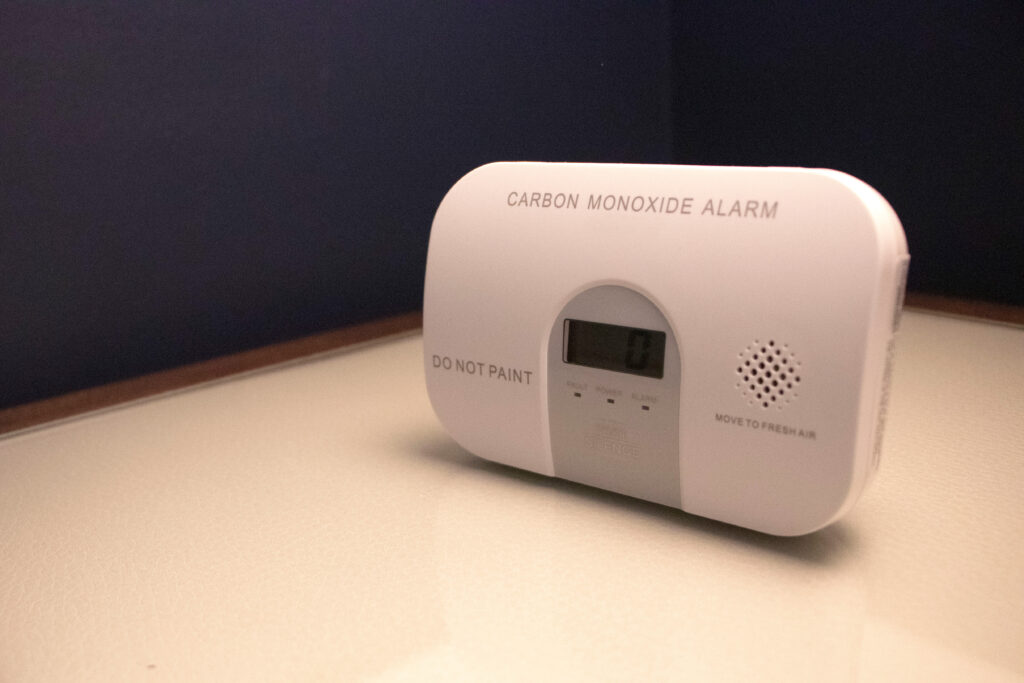
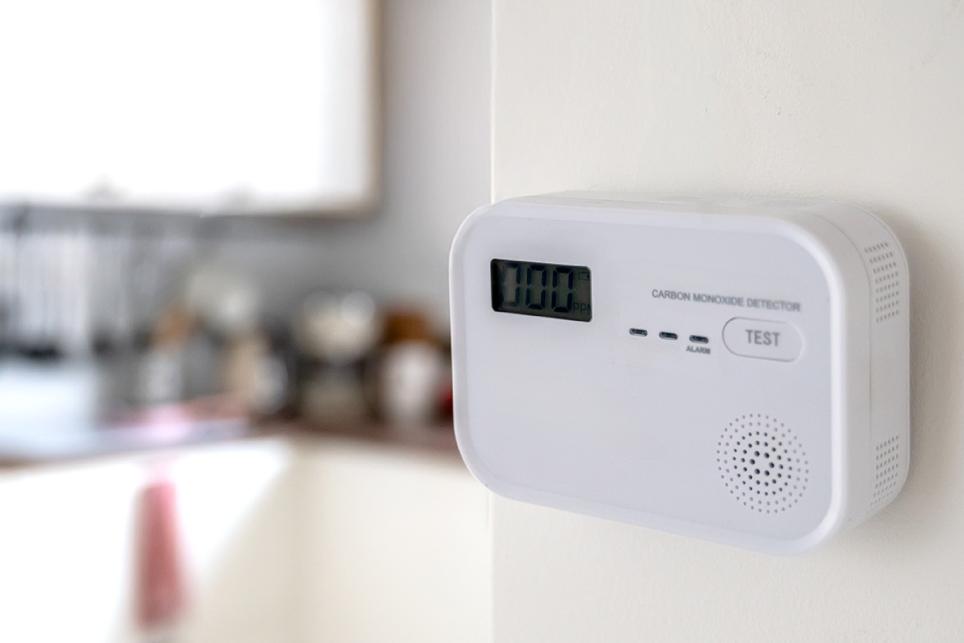
Nuestro estándar para los alarmas de monóxido de carbono (UL 2034) está diseñado para alertar cuando el CO alcanza niveles potencialmente mortales, lo que indica que las personas deben salir inmediatamente del edificio.
La detección es la prevención. Una investigación de la CPSC reveló que en el 94% de los casos de muerte por monóxido de carbono no se detectó ningún sistema de alarma. Un sistema de alarma contra el monóxido de carbono es la primera y a veces la única línea de defensa contra una amenaza invisible.
Lo que debes saber sobre el CO en tu hogar
El monóxido de carbono es un subproducto tóxico de la combustión; puede ser producido por cualquier aparato o máquina que utilice combustible, incluyendo la estufa de gas, el horno, el calentador de agua, la chimenea, el coche, el generador portátil, etc. En los entornos cotidianos, las personas pueden estar expuestas a niveles bajos de CO durante períodos breves, como de 5 a 15 partes por millón, según la regulación adecuada de la estufa de gas. Agencia de Protección Ambiental.
Sintomas Los síntomas de intoxicación por monóxido de carbono (náuseas, mareos, dolores de cabeza, vómitos y confusión) pueden ser similares a los de un resfriado o gripe común y podrían pasarse por alto hasta que sea demasiado tarde, ya que niveles elevados (a menudo causados por eventos inesperados como un aparato defectuoso o un ventilador bloqueado) pueden ser mortales. mortal.
El mayor peligro que representa el CO no es la falta de un sistema de alarma que funcione correctamente, sino la desafortunada realidad que padecen más de 86 millones de estadounidenses (y sus familias).
Cuando el alarme de monóxido de carbono suena
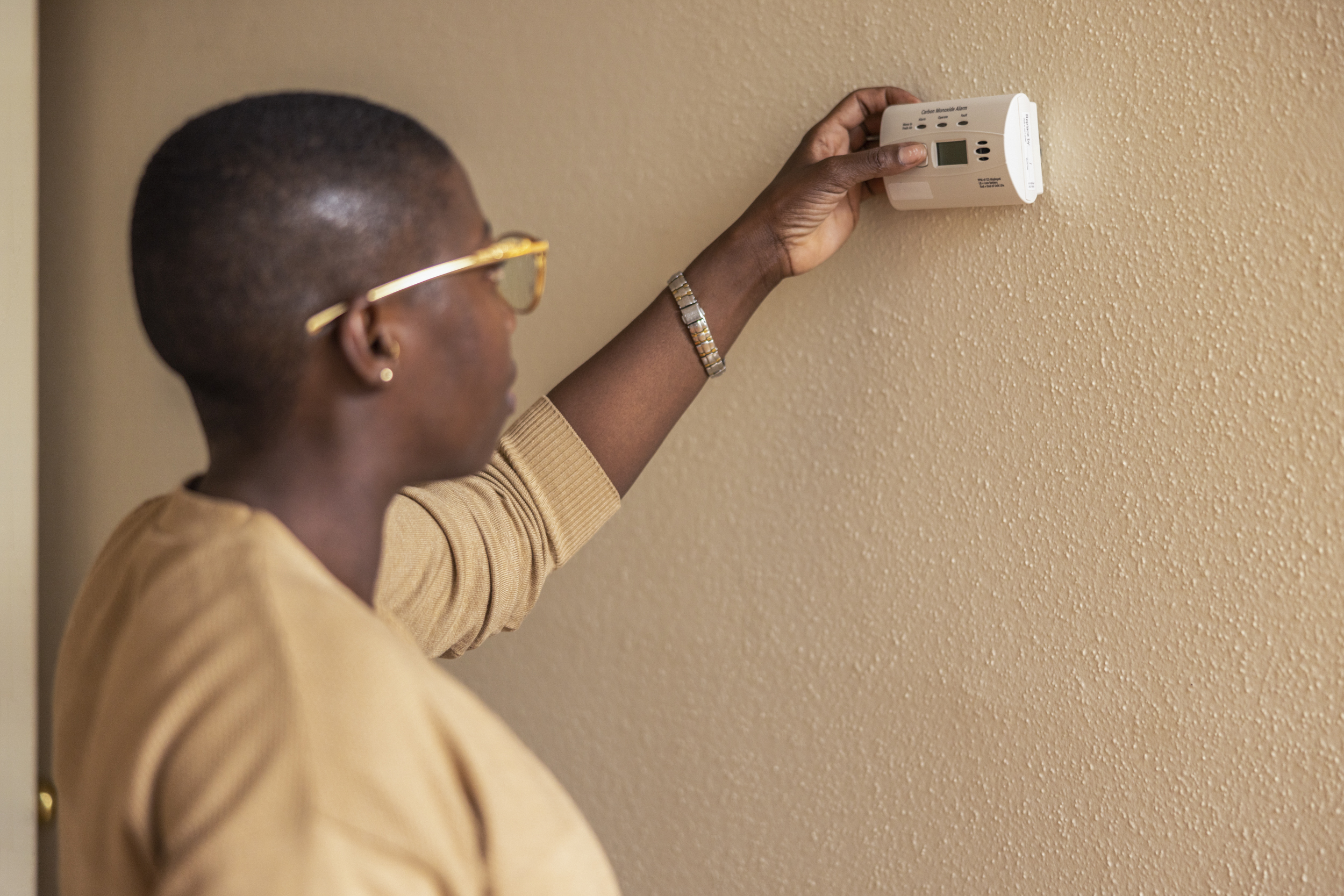
Los alarmas de monóxido de carbono certificados según nuestro estándar, UL 2034, están diseñadas para alertar antes de que se alcancen niveles potencialmente mortales de CO y cuando sea necesario actuar de inmediato. No emitirán sonido con una breve exposición, como cuando encendemos una estufa de gas. Nunca hay razón para ignorar o desactivar una alarma de monóxido de carbono. Si su alarma de monóxido de carbono suena, evacúe inmediatamente su hogar y llame al 911.
Los alarmas de CO certificados según la norma UL 2034 sonarán cuando:
- Los niveles de CO exceden los 70 ppm durante una hora
- Los niveles de CO exceden los 150 ppm durante 10 minutos
- Los niveles de CO superan los 400 ppm durante cuatro minutos
Nuestro proceso de elaboración de normas
Los estándares ULSE son cuidadosamente desarrollados y mantenidos por comités técnicos integrados por expertos, como reguladores gubernamentales, investigadores universitarios, fabricantes y servicios de bomberos, entre otros. La actualización continua de nuestros estándares se basa en la ciencia y en datos, y las actualizaciones se deliberan cuidadosamente por los comités de expertos para garantizar la seguridad de innumerables productos y sistemas en la vida cotidiana.
Invitamos a todas las partes interesadas a contribuir al desarrollo continuo del estándar UL 2034 mediante: participando en nuestro proceso de desarrollo de estándares. Y instamos a todos los individuos a proteger sus hogares, negocios y espacios recreativos contra la exposición a CO mediante todas las medidas posibles – especialmente los alarmas contra CO.