Nuestra Comité Técnico (CT) constituyen un componente esencial de nuestro proceso de desarrollo de normas. Los CT son responsables de desarrollar y mantener normas UL y ULC basadas en el consenso, siguiendo los requisitos de la Instituto Nacional Estadounidense de Normalización (ANSI) y el Consejo de Normas de Canadá (SCC).
Cada CT debe representar un equilibrio de intereses, con miembros de nueve categorías diferentes de partes interesadas: productores; cadena de suministro; comercial/industrial; reguladores generales/autoridades con jurisdicción (AHJ); gobierno; organizaciones de ensayo y normalización; consumidores y delegados internacionales. Para garantizar la equidad, nuestro objetivo es que ninguna de estas categorías represente más del 33,3% de los miembros del CT. La participación activa de los miembros es fundamental para ayudar a mantener este equilibrio y avanzar en el proceso de desarrollo de normas.
Our Member Spotlight series highlights the contributions of TC members who play a key role in standards development. Today’s spotlight is in honor of Chuck Kurten.
Meet Chuck Kurten 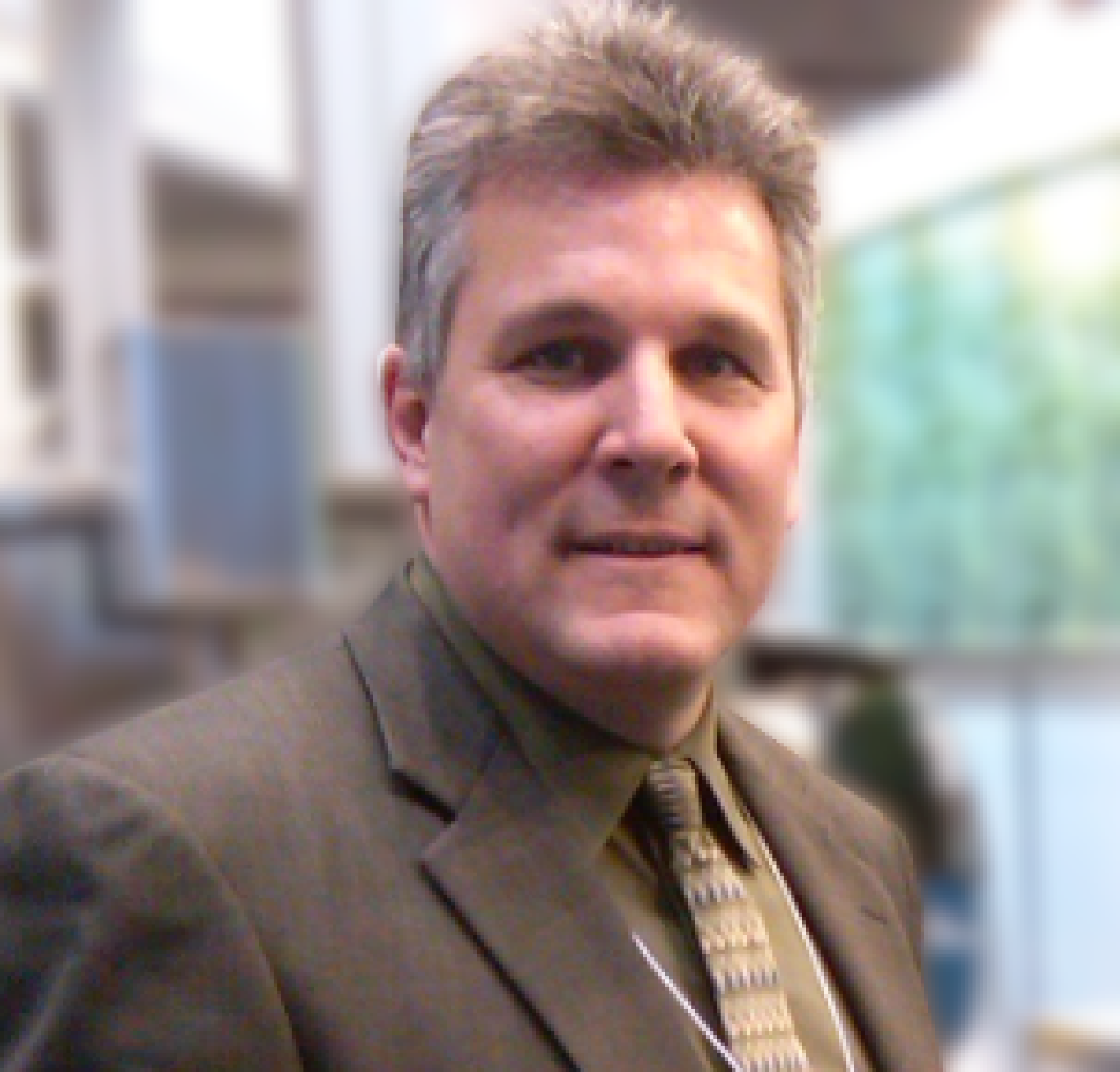
Chuck Kurten is a principal engineer in Energy & Industrial Automation at Soluciones UL, with 38 years of experience in working with wiring devices. He is the author of the article, “Receptacle Grades: What Do They Mean?,” which appeared in the January/February issue of IAEI Magazine, a publication of the International Association of Electrical Inspectors (IAEI). He is also a member of multiple UL technical committees, as well as several international TCs organized by the International Electrotechnical Commission (IEC), United States National Committees (USTAG) and the Council for Harmonization of Electrotechnical Standards of the Nations in the Americas (CANENA). In addition, Kurten is a committee member on the IEC System of Conformity Assessment Schemes for Electrotechnical Equipment and Components (IECEE) Committee of Testing Laboratories (CTL) Expert Task Force 4 for INST, as well as a member of the International Association of Electrical Inspectors (IAEI) and NFPA 70 National Electrical Code, Panel 18.
¿Por qué decidió formar parte de un Comité Técnico?
I’ve been involved in many technical committees throughout my 38 years of experience working for UL Solutions in the Wiring Devices area.
Overall, I find standards development and committee participation rewarding both on a technical basis and on a personal level. Being able to work with others on a collaborative basis, with a common cause of protecting both life and property from electrical hazards, is thrilling and provides a sense of accomplishment in improving the safe use of electrical products. Along the way, I’ve developed both personal and professional relationships with members around the world.
Overall, I find standards development and committee participation rewarding both on a technical basis and on a personal level. Being able to work with others on a collaborative basis, with a common cause of protecting both life and property from electrical hazards, is thrilling and provides a sense of accomplishment in improving the safe use of electrical products. – Chuck Kurten
¿Qué valor le concede a su participación en un comité?
I believe the value is purely up to the individual. You decide what to make of it. You can choose to be a member. You can choose to be an active participant. You can also choose to lead. It’s purely up to you and what you decide to make of it.
From my own personal experience, I found it to be valuable both from a career development and on a personal level. My involvement enabled me to expand my technical competencies and skills as a technical member of the global community with a voice on both domestic and international standards development. In each standards development theater, I have personally progressed to different levels of participation. These levels include Technical Expert and International Committee Chair. Each level along this journey has enhanced my technical abilities and personal skill set.
¿Cuáles son sus objetivos para participar en la elaboración de normas?
My ambition is to always remain humble. Always accept other people’s points of view and concerns. Be open-minded. Standards development is entrenched in scientific study. Whether utilizing laws of scientific principles or even simple common sense, these touch points reflect like a prism, identifying different safety hazards and concerns. The goal is to achieve a balance between foreseeable hazards and preventative measures to limit safety risks.
¿Qué valor cree que aportan las normas a la seguridad mundial?
Standards are a means of communicating a uniform set of requirements to be applied consistently and equitably on like products. This provides a framework for achieving global economies, efficiencies, and practical applications to assess a product’s construction.
Thank you for your many years of service, Chuck. Your time and contributions to standards development make a daily impact around the globe, helping us in our mission of working for a safer, more secure, and more sustainable world.
Si está interesado en unirse al proceso de desarrollo de normas UL y ULC, existen varias formas de participar:
- Solicitud de adhesión al CT: La pertenencia al CT está supeditada a la participación, ya que la participación activa de los miembros es fundamental para ayudar a mantener un equilibrio de intereses y avanzar en el proceso de elaboración de normas.
- Suscribirse y seguir una norma: Suscríbase para recibir información actualizada sobre nuevos proyectos de normas, normas para revisión pública, normas publicadas recientemente y mucho más. Puede optar por recibir notificaciones de actividad y participar sin ser miembro.
- Proponer cambios en una norma: Presente una propuesta o una solicitud para asistir a una reunión.