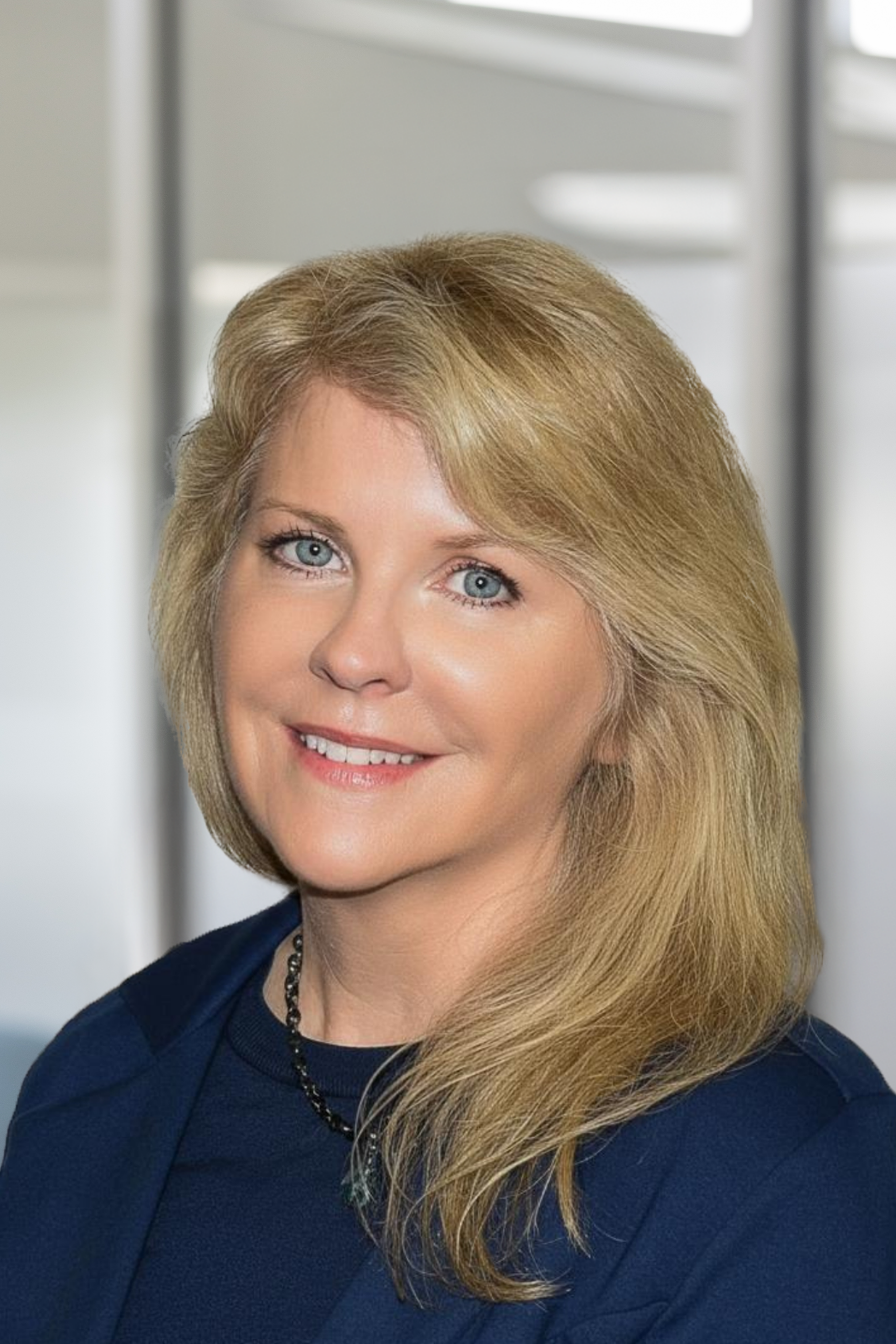
Randi Myers
Director de Programas de Normas
As director of standards programs at UL Standards & Engagement, Randi Myers leads the Electrification program covering batteries, energy storage, electric vehicles, e-mobility, distributed energy, solar and wind energies, generators, battery safety in aviation, and performance materials (plastics).
We had the chance to sit down to get to know Randi better. Learn more about her experience and how it’s defining her approach to working for a safer world.
Q: Randi, tell us a little about yourself and your role at UL Standards & Engagement. What does your work focus on day-to-day?
A: The Electrification program at ULSE includes a wide range of batteries, energy storage systems, electric vehicles, solar, wind, e-mobility devices like e-scooters, and other technologies connected to the electrification industry. Working on the program is exciting because these are technologies that increasingly show up in everyday life. When we talk about batteries, we’re not only focused on the batteries themselves, we’re also looking at battery-powered products and what specific requirements these various products require.
My program also includes generators and performance materials, including plastics and flammability, which are relevant to many ULSE standards, as so many product enclosures and components are made from plastic.
Q: How do safety standards need to evolve to keep pace with innovations in lithium-ion and next-generation battery technologies?
“If we want to keep pace with innovation, we need to listen to what is happening across industry, follow the research, and understand where the technology is going.”
A: I once heard an industry member say, “We come to your meetings, but we never see you at ours,” and that really stood out to me. If we want to keep pace with innovation, we need to listen to what is happening across industry, follow the research, and understand where the technology is going before a formal proposal lands in front of us. And that means participating in industry associations, working groups, task forces, forums, and code development activities.
Q: With the rise of energy storage systems and electrification, how should companies be thinking differently about battery risk management?
A: Companies need to think about battery risk across the full lifecycle of a product, not just at the point it leaves the factory.
There are many innovators working on technologies to reduce the risk of thermal runaway, which is when a battery overheats, and can lead to smoke, fire, or explosion. Some are focused on preventing thermal runaway in the first place, while others are concerned with what happens after an overheating event or fire has already started: how to stop it, suppress it, or prevent it from spreading from one cell to the next.
All of these efforts matter when you think about consumer use. Someone might buy an e-bike and later decide they need a second battery. They can go online and buy a lower-cost replacement that looks compatible, but in reality, that e-bike may never have been designed to operate with that battery. Battery risk management has to account for what happens after the original sale, which includes considerations for replacement batteries, chargers, cords, and other user-replaceable parts.
Solutions are needed at every stage: prevention, detection, monitoring, suppression, and education. No single approach solves the whole problem.
Q: Are there any emerging standards or areas of focus that you think will significantly shape the future of battery safety?
A: One major area we’re watching is the combining, or amalgamation, of technologies, which means products no longer fit neatly into one category.
For example, we recently published a standard for mobile electric vehicle charging systems. Such a product could include solar panels, energy storage, EV charging capabilities, and mobility. In the past, each of these technologies could have been addressed with separate standards. And while some existing standards can address it, more often we need a new standard for this kind of convergence.
Another important area is next-generation battery chemistries, like solid-state and sodium-ion batteries. There is a lot of work underway to develop battery technologies that still provide high energy density while reducing certain risks associated with lithium-ion systems.
Ultimately, no technology is hazard-free. Our focus is understanding the hazards, the level of risk, and whether construction requirements or performance tests need to be adjusted.
Q: What is one safety tip that most people don’t know but need to?
A: The safety tip I would give is this: be careful when replacing batteries, chargers, cords, or other parts for rechargeable products. A manufacturer may design a product to work safely with a specific battery or charger, but they can’t foresee or guarantee how a product will perform once the consumer starts replacing parts. A replacement battery may look right, fit the product, or seem like a good deal online, but that doesn’t mean it meets appropriate safety requirements or is compatible with the original product.
Randi Myers is a member of the UL William Henry Merrill Society as a Distinguished Member of Technical Staff, and recipient of the American National Standards Institute’s 2024 Meritorious Service Award. She also serves in the role of International Electrotechnical Commission Secretariat for IEC Technical Committee 61, Safety of Household and Similar Electrical Appliances, and she previously served as the Secretary for the U.S. National Committee for the International Commission on Illumination.

Escuche a nuestros expertos
“Ultimately, no technology is hazard-free. Each has pros and cons. Our focus is understanding the hazards, the level of risk, and whether construction requirements or performance tests need to be adjusted.”
Randi Myers
Director de Programas de Normas