Think of all the places you’ve visited in the past year: your workplace, your kids’ school, your local library, your local grocery store…
Did you go on vacation? Pass through an airport? Check into a hotel? Float down a lazy river at a waterpark, or take a chair lift to the top of a ski run?
Or maybe you made a few weekend trips to your local movie theater or shopping mall.
You may not know it, but in almost all of these cases (especially in buildings constructed or renovated since 2001), there’s been an additional layer of safety, helping to protect you and your loved ones from hazards like electrical fires.
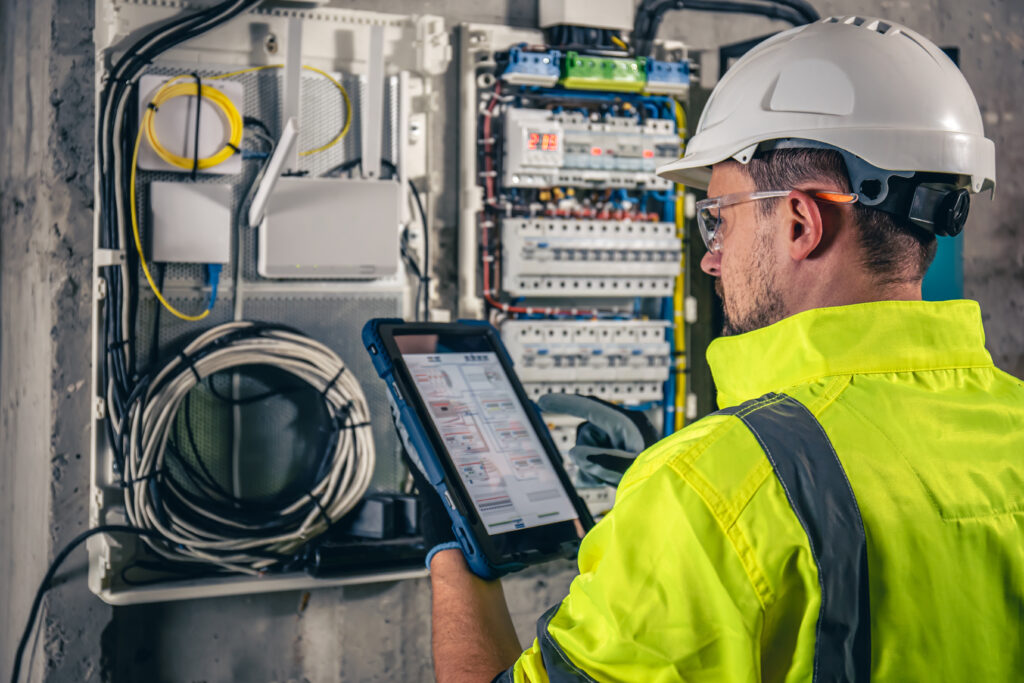
In each of these locations, there’s an industrial control panel quietly working behind the scenes. The panel administers power more safely to every light, outlet, appliance, and machine. It is there to control, monitor, and protect. And our standard, UL 508A, for Industrial Control Panels, provides safety requirements for these panels, to help ensure they are built, labeled, and tested to minimize the risks of fire, electric shock, and equipment failure.
The Safety Gaps That Sparked the Standard
UL 508A, published in 2001, was the first industry standard to cover complete industrial control panel assemblies. Prior to its development, panels were custom built, often according to various standards and requirements for individual components, such as circuit breakers, switches, fuses, contactors, relays, and so on. While these individual standards helped to establish a foundation for safety, the system was hardly ideal, as the standards lacked a cohesive framework that would determine how they would function together in a complete assembly.
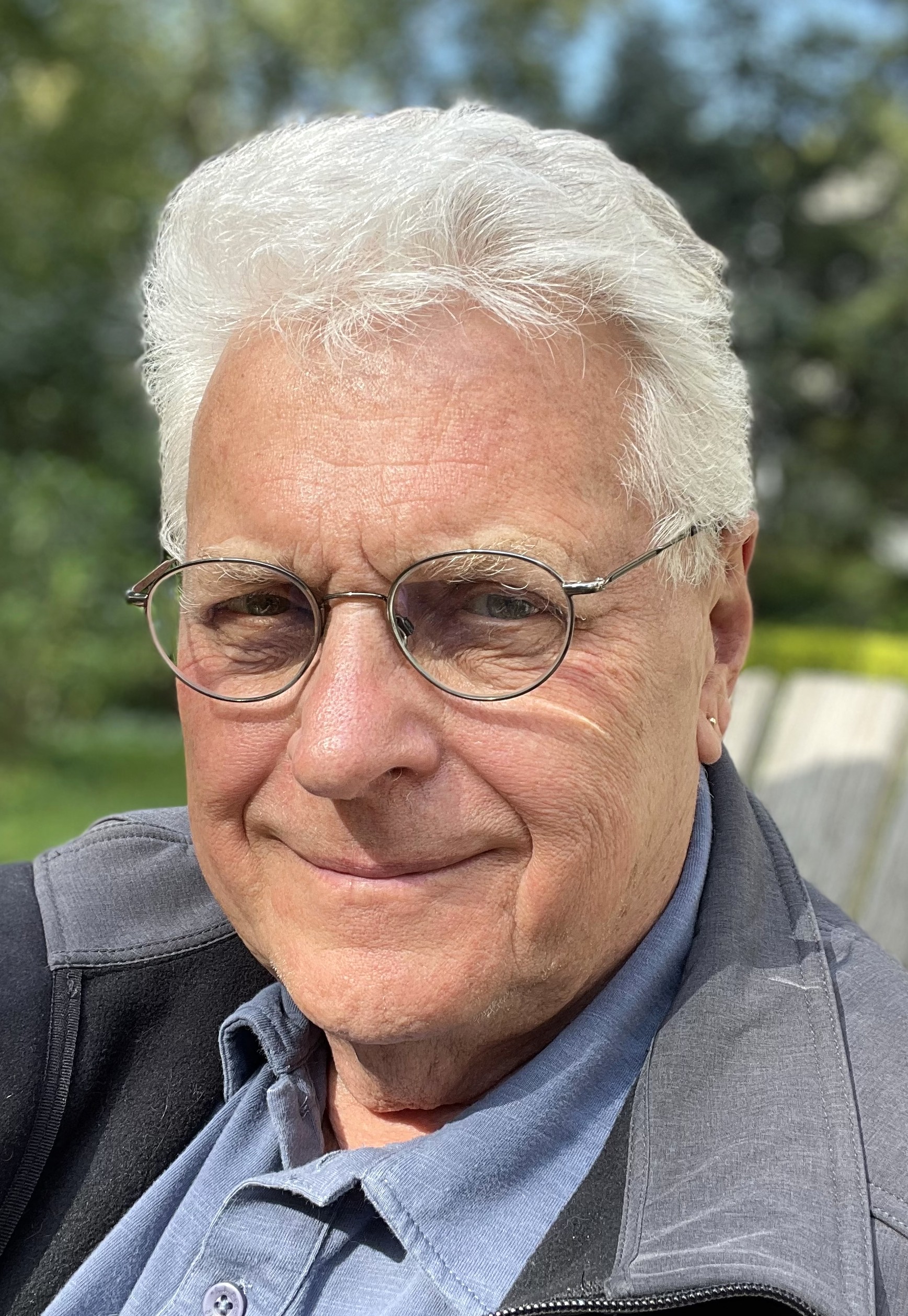
Many in the industry often refer to the era as the “wild, wild west,” says Dan Neeser, 19-year member of the technical committee responsible for UL 508A.
“In the past, the construction of an industrial control panel had no real guidelines and often was not compliant with the basic wiring and protection requirements of the NEC,” Neeser adds. “As such there was a safety hazard with industrial control panels.”
For example, because industrial control panels did not have a single standard to cover the assembly of the components, they were not required to be marked with a short-circuit current rating. To address this, UL 508A provides a method (Annex SB) for calculating and marking the SCCR of the complete panel based on the ratings and combinations of its power circuit components, to help ensure it is suitable for the fault-current levels it may be exposed to in the field.
“Providing a method (Annex SB) for determining the equipment short-circuit current rating, is the single biggest way UL 508A has changed industrial control panel safety in the past 25 years,” says Neeser.
“I think Annex SB on short circuit current rating is one of the masterpieces of electrical safety,” adds Marco Tacchini, nine-year member of UL 508A.
Just What the Industry Needed
Shortly after the publication of UL 508A, the National Electric Code was updated to establish clear, enforceable requirements for the construction, marking, and installation of industrial control panels in the United States. This update, known as Article 409, requires proper SCCR, clear panel markings, and a safe disconnect means, which can all be achieved through compliance with 508A.
Ongoing Development
To develop UL 508A, ULSE worked with a technical committee of experts from a broad range of backgrounds, including consumers, manufacturers, regulators, supply chain professionals, and more.
“UL 508A is one of the most dynamic standards that I have participated on and continually updates the requirements for improvements to the existing requirements and adding new content to address proper application of devices used in industrial control panels,” Neeser says.
The committee, TC 508A, continues to meet regularly to maintain and update the standard as new hazards and risks arise.
“By keeping a consistent openness to market requests and filtering them with the experience of the group members,” Tacchini says, “UL 508A makes a good compromise between rigidity of ‘we have always done it that way’ and the freedom to discuss for hours on topics.”
As ULSE celebrates the 25-year anniversary of UL 508A, we would also like to thank the committee members for their ongoing support and dedication to the ULSE mission of working for a safer world.