一览
- E‑mobility battery fires are rising nationwide, driving deaths, injuries, and urgent action at the state and local level.
- States like New York, California, Illinois, and Oregon are requiring ULSE safety standards and delivering measurable declines in fire deaths and injuries.
- While federal legislation stalls, state action is closing safety gaps, including addressing risks from uncertified replacement batteries.
In New York City alone, e-mobility fires claimed 18 lives in 2023, making it the number one cause of fire death in the city. Across the country, emergency rooms report surging injuries from unsafe devices. Yet uncertified e-bikes and e-scooters continue making it into American homes while legislative action from the federal government hangs in the balance.
A bipartisan federal bill, the 制定锂离子电池消费者标准法, has passed the House with a large bipartisan majority and awaits a floor vote in the Senate—but only if it gets the chance. If it passes, it would mean Americans are better protected against micromobility battery fires no matter where they live. In the meantime, state and local lawmakers are debating if they should wait for the Senate or take action.
Waiting has consequences. With a growing market has come the growing problem of more battery fires. Without the requirement that e-bikes and e-scooters meet critical safety standards, American consumers may be unknowingly bringing a danger into their homes.
State and local laws that require products that are certified to safety standards keep potentially dangerous micromobility devices off the shelves and out of homes. After New York City passed a law to do just that, deaths declined dramatically, with only one reported in 2025.
Policy in Action
Many states are taking action. Oregon responded to surging injuries with comprehensive legislation addressing uncertified batteries, counterfeit devices, and age restrictions. Notably, under its HB 4007 legislation, micromobility devices sold in Oregon must meet national safety standards.
California’s 2024 law, SB-1271, requires electric bicycles, powered mobility devices, and storage batteries sold or leased in the state to meet safety standards including UL 2849, UL 2271, UL 2272, and EN 15194.
In 2025, informed by ULSE’s model policy, Illinois passed the Micromobility Fire Safety Act, which requires that all micromobility devices and batteries manufactured, distributed, sold, or offered for lease or rent in Illinois meet ULSE safety standards. Colorado, Georgia, and Florida have also all passed laws requiring standards to help protect riders and communities from e-mobility fires.



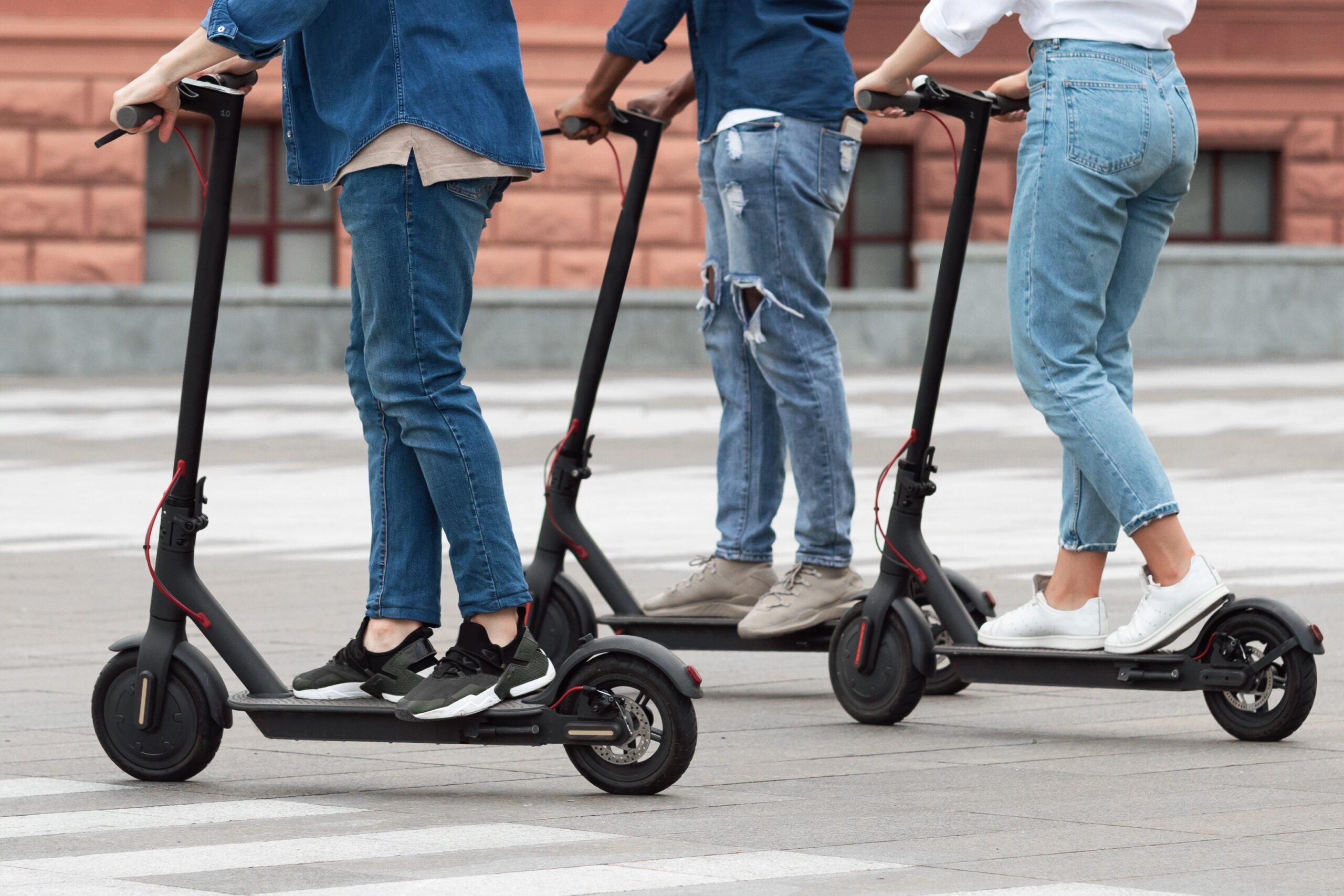
As more states consider legislative action, the impact of replacement batteries must also be considered. If the law only addresses the e-bikes themselves, replacement batteries can create a dangerous loophole for uncertified products. Standalone batteries could be uncertified or counterfeit, even if the bike was built to comply with safety standards. Laws like Colorado’s HB 25-1197, which requires replacement batteries to meet UL 2849 or another approved safety standard, can help to close that loophole.
Next Steps for States
While federal legislation is in a holding pattern until the Senate acts, states can move now to protect citizens from the potential risks posed by e-mobility devices.
To aid states along this journey, ULSE has developed comprehensive resources for state leaders, including model legislation and a toolkit for addressing e-bike fires.