Iniciativa Nacional para la Interfaz entre Zonas Urbanas y Terrenos Silvestres
Building a safer future in Canada’s wildland-urban interface. Learn how we’re advancing national standards to reduce wildfire risk, strengthen resilience, and support practical action where forests and communities intersect.
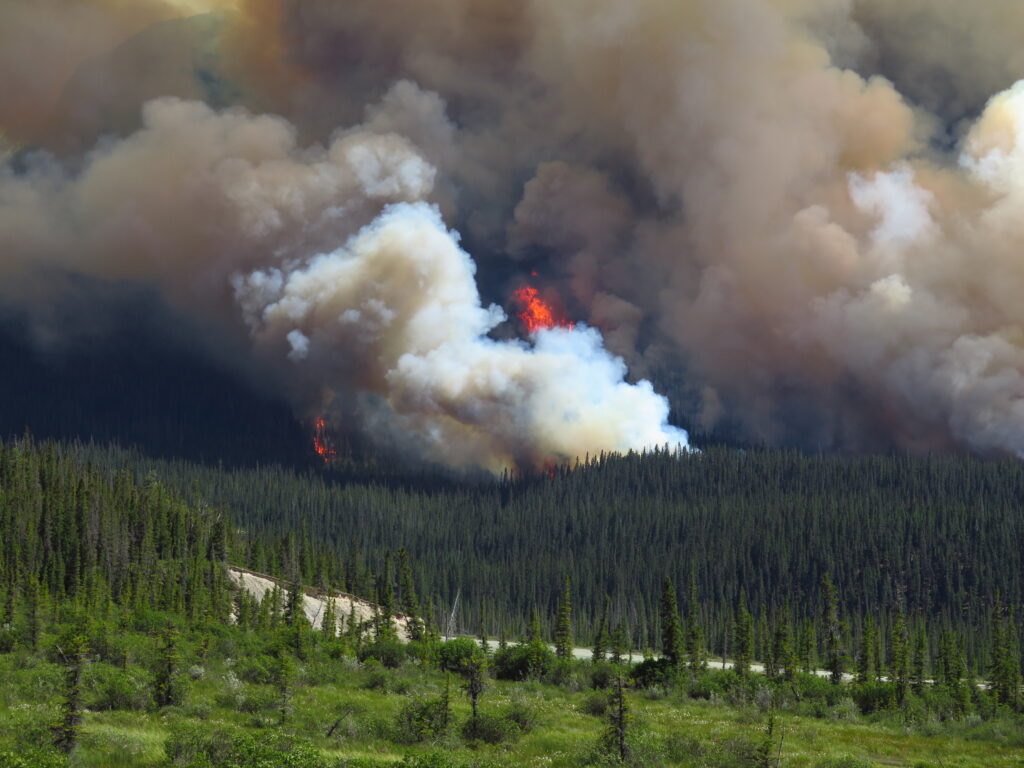
The Growing Risk in Canada
Wildfire risk is increasing across Canada, placing communities and infrastructure under growing pressure.
En cifras
Hover over each stat below to learn about the impact of Canadian wildfires.
Our Response
UL Standards & Engagement (ULSE), seleccionada por el Consejo Canadiense de Normas (SCC), está liderando una iniciativa nacional para desarrollar dos Normas Nacionales de Canadá que ayuden a las comunidades a evaluar el riesgo de incendios forestales, fortalecer la preparación y reducir la vulnerabilidad ante eventos de incendios.
Durante los próximos dos años, este trabajo ofrecerá normas prácticas y coordinadas que abordarán tanto los riesgos a nivel de edificios como la planificación a nivel comunitario. Estas normas respaldarán prácticas de diseño y construcción más seguras, una mejor planificación del uso de la tierra, la preparación para emergencias y la divulgación pública en las áreas de interfaz urbano-forestal.
Learn more about standards under development. Together, these standards aim to provide a consistent and risk-informed approach that can be applied to help communities better reduce and manage WUI fire impacts.
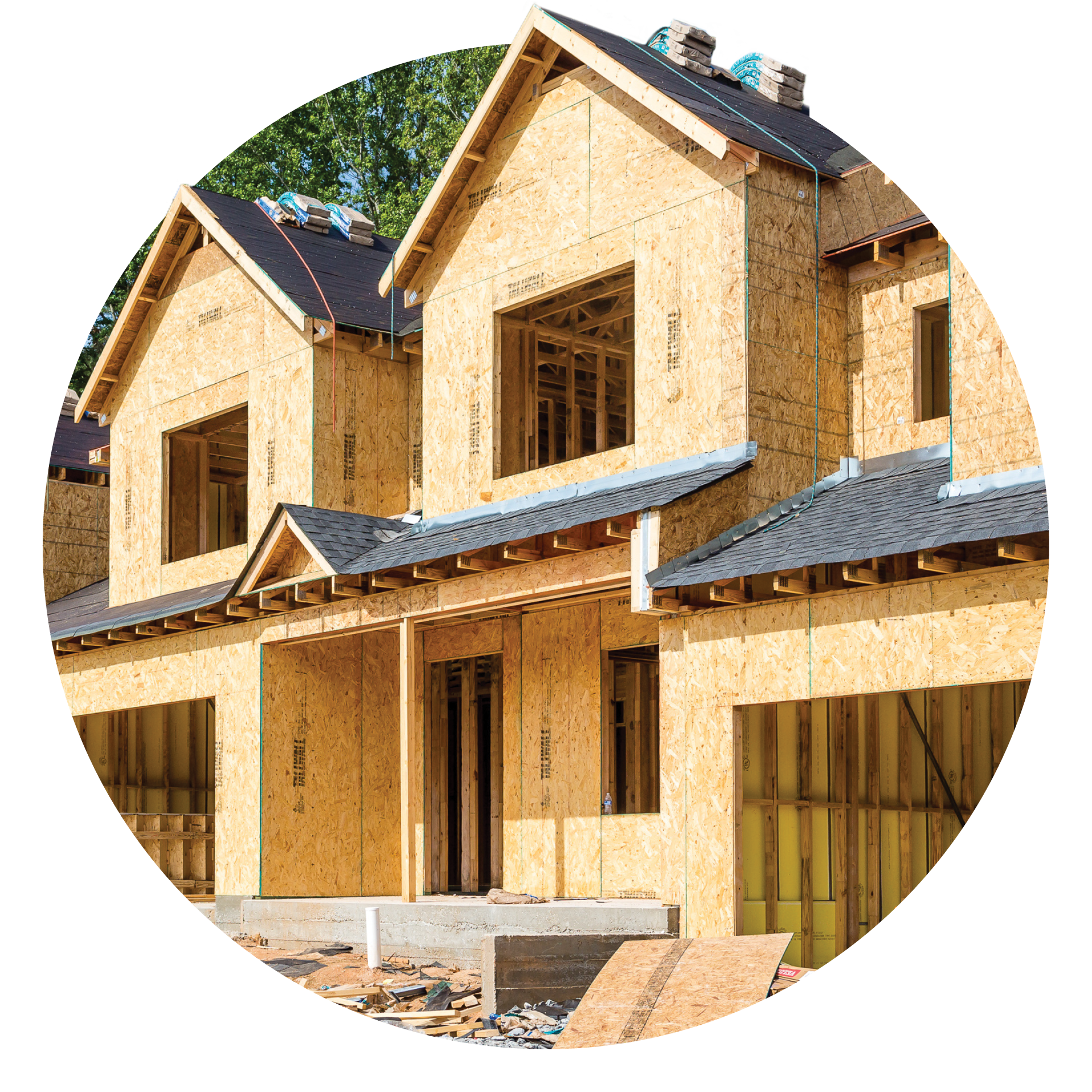
UL 2530, Standard on Wildland-Urban Interface Fire Risk Mitigation in the Structure Ignition Zone
This standard will provide requirements and the required methodology to assess WUI fire ignition hazards and exposure and provide requirements for new construction to reduce the potential risks of building ignition during WUI fires. Its audience would include engineers, architects, infrastructure practitioners and others involved in the design and construction of buildings in WUI zones.
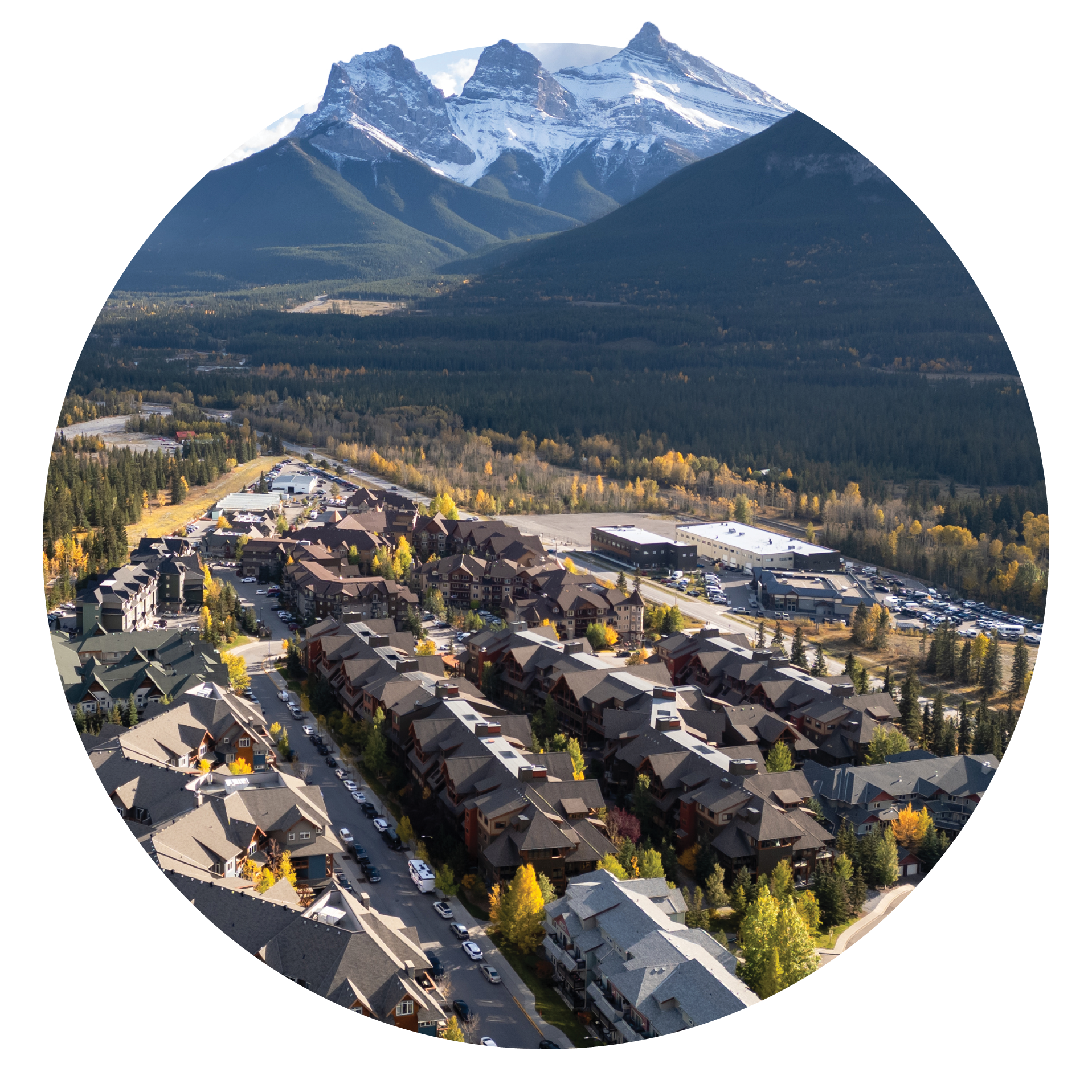
UL 2531, Standard on Community Planning, Resources, and Outreach in Wildland-Urban Interface Areas
UL 2531 is a community-level standard focused on risk reduction, hazard mapping, and public outreach in WUI areas. It provides guidance for municipalities, land-use planners, and community officials to manage wildfire threats.
UL 2532, Wildland-Urban Interface Guidebook
This initiative is complemented by a supplementary WUI Guidebook, providing practical tools, context, and best practices to support implementation of the standards in real-world settings.

Collaborative Structure
The initiative is supported by a structured technical framework that brings together committee oversight, focused subcommittee work, and task groups dedicated to key areas of WUI resilience.
Subcommitte
SC 2530
Mitigación del riesgo de incendios en la interfaz urbano-forestal en la zona de ignición de estructuras
Task Group
TG1 | Hazards
- Hazard Evaluation
- Hazard Exposure
- Mapping
Task Group
TG2 | Property Protection
- Referenced Standards
- Priority Zones
Subcommitte
SC 2531
Community Planning, Resources, and Outreach in WUI Areas
Task Group
TG1 | Hazards
- Hazard Evaluation
- Hazard Exposure
- Mapping
Task Group
TG3 | Community Planning
Task Group
TG4 | Emergency Planning
Subcommitte
SC 2532
Wildland-Urban Interface Guidebook and Capacity Building
Task Group
TG 6 | Capacity Building
Task Group
TG 5 | WUI Guidebook
Project Timeline
The standards development process begins with a proposal and culminates in publication, but there are many stages and collaborators in between. Explore the standards development process with this guided overview.
The drafting stage involves industry experts in the development of an initial draft of the standard through a collaborative process. Completed June 2026.
Preliminary review is an opportunity for stakeholders to review the initial draft and provide feedback before formal balloting. Comments received during this stage help improve the content, identify gaps, and better reflect a broad range of perspectives and practical experience. Current stage as of July 2026.
TC members vote to approve or reject, (or may abstain from voting on) a proposal and provide comments. Stakeholders may provide input via comments, but they cannot vote. TC consensus will be determined during this 2-month stage. Expected to begin in January 2027.
Once any recirculation phase(s) are completed and consensus is achieved, the new standards will be published. At this point it will be distributed via ShopULStandards.com y amplificadas a través de compromisos comunitarios y políticos. Expected completion in May 2027.
Build Capacity and Support Uptake
Planned capacity-building activities will help support awareness, understanding, and future adoption of the WUI standards and guidebook through coordinated outreach, learning opportunities, practical resources, and stakeholder engagement.
Seminars
Deliver in-person or hybrid sessions that support knowledge sharing, stakeholder dialogue, and practical understanding of WUI risk-reduction approaches.
Spread the Word
Support outreach and awareness through communications materials, stakeholder networks, and public-facing messaging that helps promote use of the standards.
Tools and Resources
Develop practical guidance, bilingual materials, and resources that help communities, practitioners, and decision-makers apply WUI standards in real-world settings.
Webinars
Host virtual learning sessions to introduce the standards, explain key WUI concepts, and support broader awareness across communities and stakeholder groups.
Why This Work Matters
Being involved in this effort means helping protect lives, communities, and critical infrastructure from the growing threat of wildfires. It offers a unique opportunity to shape National Standards of Canada that will guide practical, real-world solutions across the country. By bringing together diverse expertise, this work supports better decision-making and stronger alignment across sectors, enabling a more coordinated and proactive approach to risk. Ultimately, participation puts participants at the forefront of building safer, more resilient communities in the face of a rapidly evolving national challenge.

Helping protect lives, communities, and critical infrastructure

Driving national impact through standardized, actionable solutions

Enabling better decision-making and cross-sector alignment

Responding proactively to a growing national risk
Explore Ways to Get Involved

Become a Voting Technical Committee Member
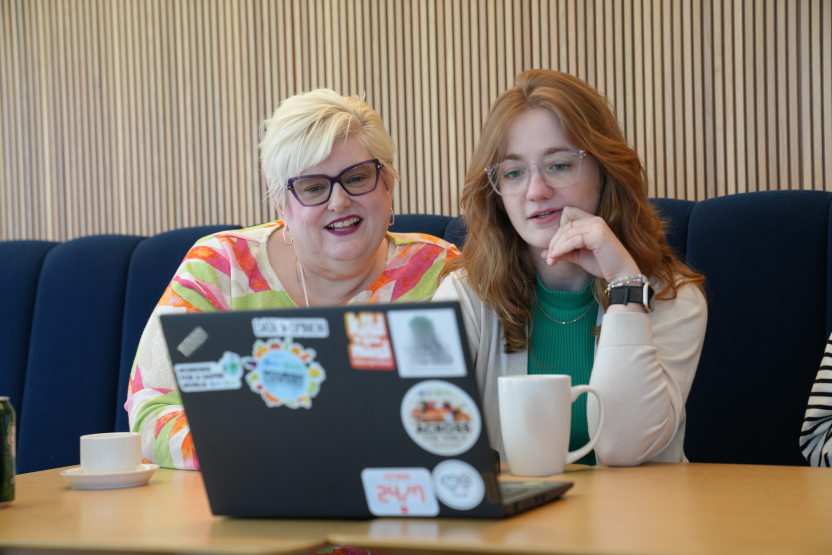
Participate as a Standards Stakeholder
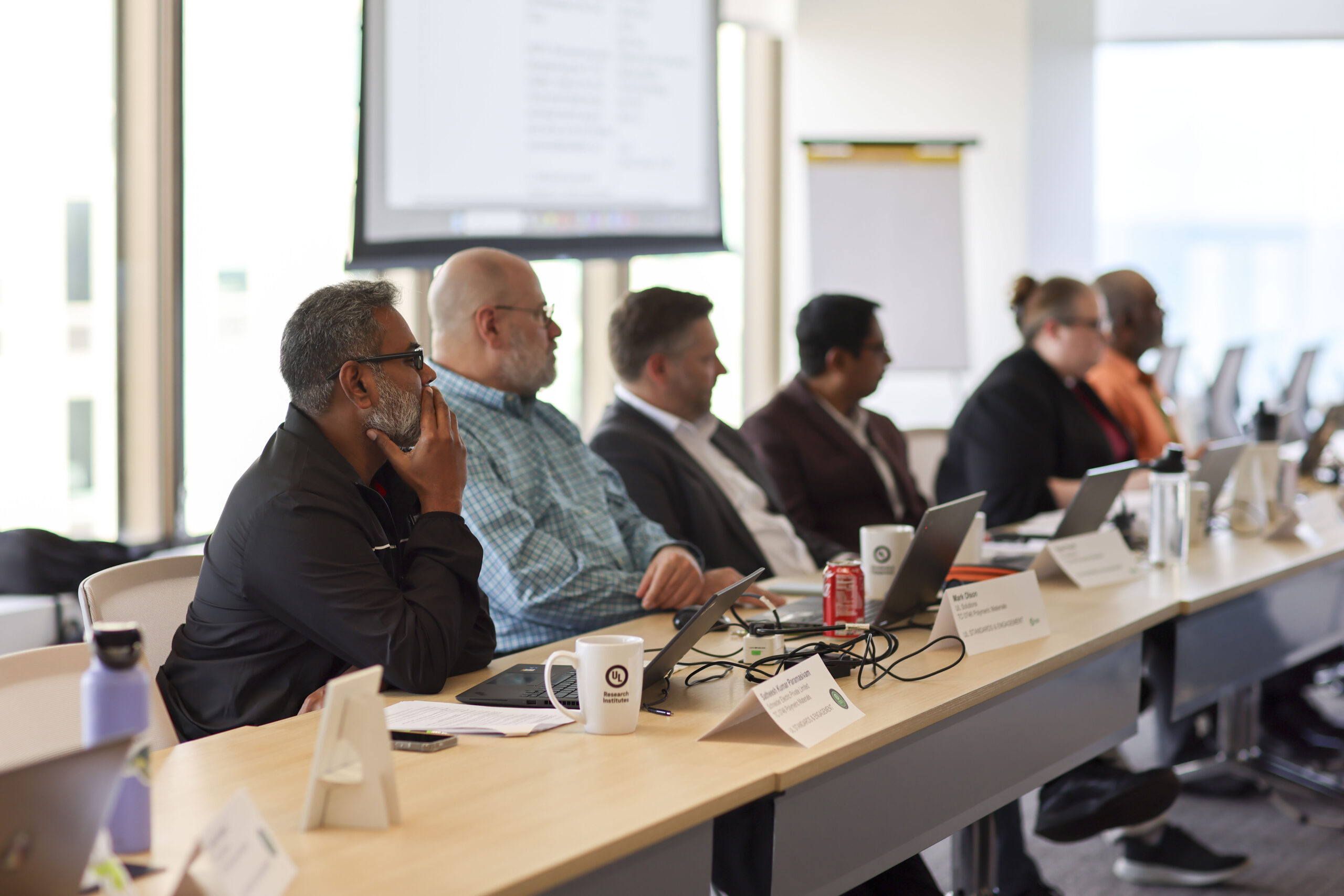
Access the MyInfo Portal

Access the Collaborative Standards Development System (CSDS)