After a full week on the show floor — attending panels, engaging with peers, and connecting with leading voices across the tech ecosystem — the UL Standards & Engagement team returned from CES 2026 with a clear takeaway: innovation is accelerating faster than the systems designed to support trust, safety, and scale.
From energy to AI to digital health and mobility, CES showcased technologies that are moving rapidly from concept to deployment. What stood out to our experts was not just ‘what’s new’ — but what’s missing. Across sectors, progress increasingly depends on shared frameworks that help emerging technologies earn trust, integrate safety, and scale responsibly.
Having reflected on what they saw and heard, here are our experts’ key takeaways from CES 2026.
Creating the Foundation to Scale Innovation Safely

CES 2026 underscored a recurring challenge across emerging technologies: the pace of innovation continues to outpace the systems needed to support safe, reliable scale.
This theme was particularly evident during my conversation with Caroline Anderson, director of external affairs at the Fusion Industry Association; Craig Newman, vice president of grid software sales for the U.S. and Mexico at Siemens Industry Inc.; Naomi Smit, vice president and general manager at Drivers and Energy Systems; and Paul Dickson, president and chief revenue officer at Sunrun, during the Future of Energy panel. The technologies needed to meet growing demand exist, but scaling them will require coordinated deployment, modernized infrastructure, and alignment across sectors as AI and electrification accelerate.
This systems-level thinking extended beyond energy — from digital health to connected technologies — where innovation is moving quickly. Long-term success will depend on whether technologies can be integrated in ways that are safe, reliable, and worthy of public trust
Standards can play a critical role. By establishing clear safety and performance expectations, they provide a foundation that builds trust and enables emerging technologies to scale responsibly and deliver lasting impact.
Standards as a Bridge Between Innovation and Access

One of the strongest messages I brought to CES was how standards and technical frameworks can help bridge the gap between innovation and access to new technologies. This perspective surfaced during an e-mobility panel I participated in, where we discussed how safety is foundational to the manufacturing and use of these devices. I then heard that same view reinforced — not just from standards development organizations like ULSE, International Electrotechnical Commission, Consumer Technology Association, and the American National Standards Institute — but by industry leaders. Across conversations with manufacturers and tech experts there was broad recognition that clear, well-defined frameworks, particularly around safety and performance, are essential to helping new products get to market efficiently and responsibly.
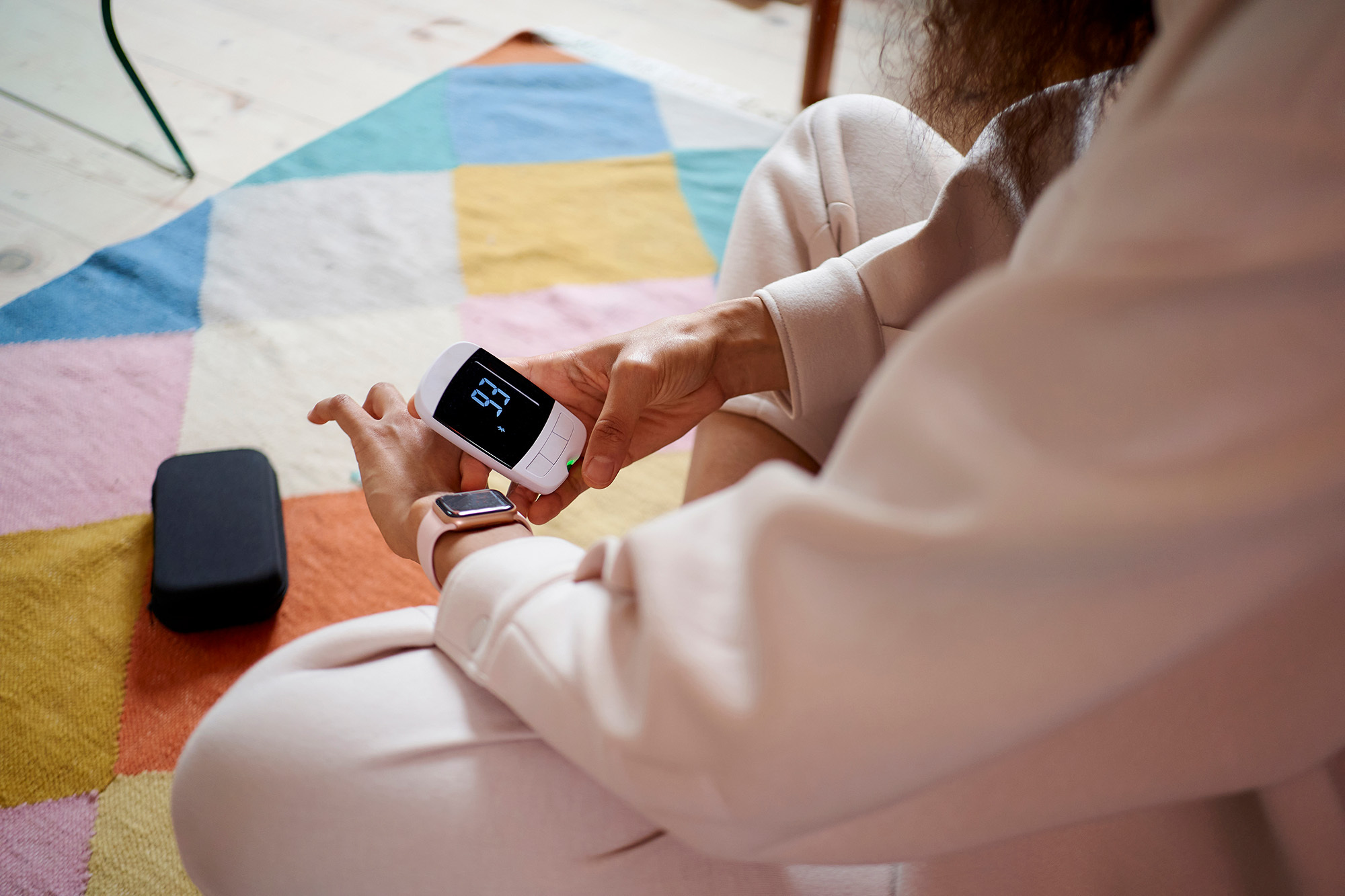
I was also struck by how rapidly digital health technologies are evolving, with new solutions designed to improve well-being and accessibility appearing in unexpected places — from connected toys to advanced exoskeletons. Artificial intelligence was everywhere, embedded in products well beyond traditional tech sectors.
CES made clear that safe, well-designed technologies must supported by strong safety standards to achieve consumer confidence and reach their full potential.
WATCH
Explore some of our favorite moments from CES 2026.
Trust in Digital Health Depends on Standards and Interoperability

At CES 2026, discussions around digital health repeatedly returned to the question of trust – specifically, how often it’s presumed rather than critically examined. In the panel I moderated, we explored the expectation that safeguards are inherently in place, even when users don’t fully understand how these technologies function. Trust, we noted, is established well before a product ever reaches the end user, and conformity to recognized standards plays a vital role in reinforcing safety and reliability.
As digital health solutions and other connected products become increasingly embedded in everyday life, interoperability and harmonized standards will be essential. Equally important are clear, visible signals that enable consumers to identify trustworthy innovation and feel confident adopting emerging technologies. These themes were echoed by both consumers and digital health leaders in our latest ULSE report.
AI Integration Highlights Safety Gaps and Standards Needs

CES served as a major stage for the latest in AI-enabled technology. Standout innovations included AI assistants, real-time translation earbuds, sophisticated health-monitoring devices, autonomous robots, and next-generation EVs. These advancements are moving rapidly from ambitious concept to real-world market deployment.
As these technologies integrate into the daily lives of consumers, they bring a critical intersection of innovation and safety into focus, raising important questions about how existing standards apply and where new frameworks may be needed. For my work, CES is more than a tech show, it provides an early look about where safety must evolve. Identifying these gaps early helps inform where standards development should focus next, providing a foundation for these technologies to be accepted by consumers as safer and more trusted.